
Breathwork 3 min
Extended-exhale breathing
A short breathing pattern where the out-breath is longer than the in-breath. It is the simplest way to slow yourself down mid-day without leaving your desk.
How to do itWellbeing
Breathwork, mindfulness, lymphatic massage and gua sha, movement, sleep habits, home remedies and techniques drawn from Asian traditions. Everything here is free to try. Each entry says plainly what the evidence supports, what it doesn't, and who should be careful.
A short breathing pattern where the out-breath is longer than the in-breath. It is the simplest way to slow yourself down mid-day without leaving your desk.
How to do it
Equal counts in, hold, out, hold. Useful before something you are dreading, or to reset a scattered mind.
How to do it
Getting outside within an hour of waking, ideally with a few slow breaths, is one of the cheapest levers on how your day feels.
How to do it
Moving attention slowly through the body, without trying to change what you find. A good entry point if sitting still feels difficult.
How to do it
A short, structured pause designed to fit into a working day. Notice, gather, expand.
How to do it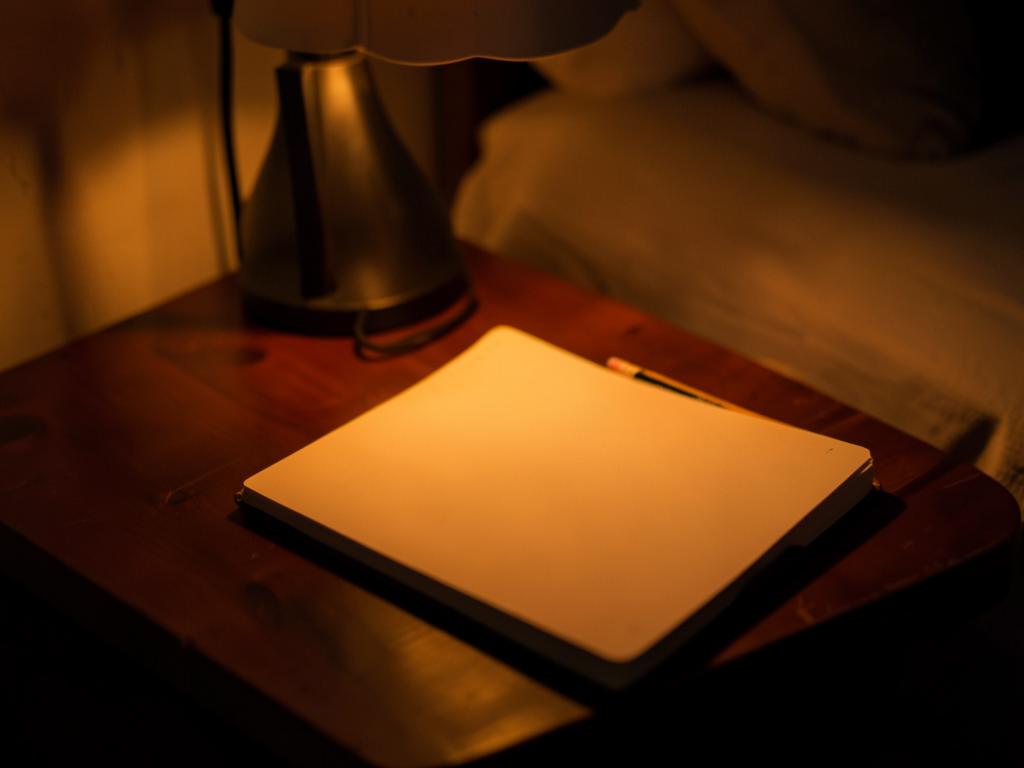
Writing tomorrow's open loops down before bed, so your mind is not the only place they live. Two minutes, on paper.
How to do it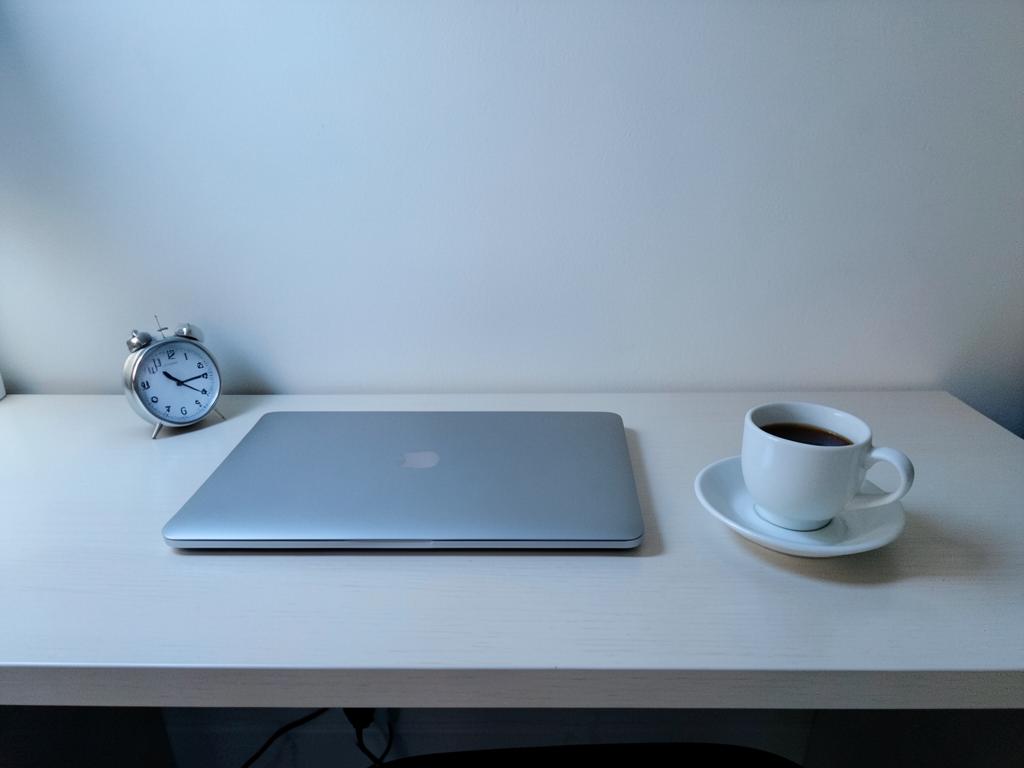
A protected block of one thing at a time, with everything else out of sight. Attention recovers when it stops being split.
How to do it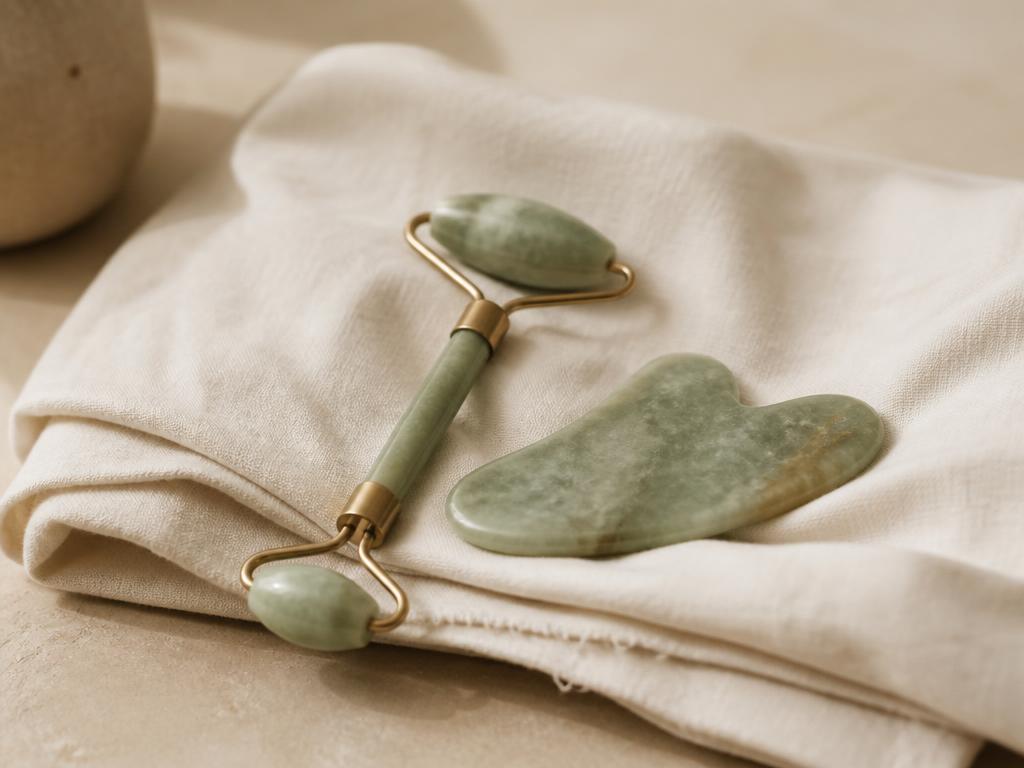
Light, rhythmic strokes down the face and neck, used mainly for how puffiness looks and feels first thing in the morning.
How to do it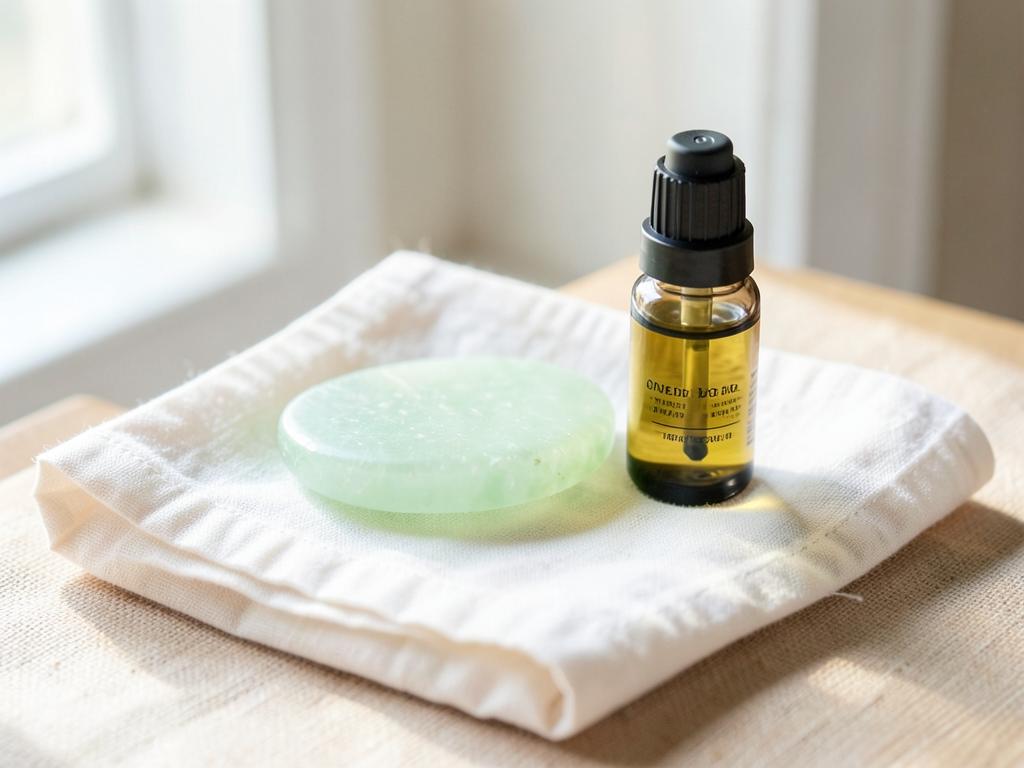
Adapted from traditional Chinese medicine
A smooth stone tool drawn along the face with light pressure. In its cosmetic form it is a slow, deliberate massage ritual.
How to do it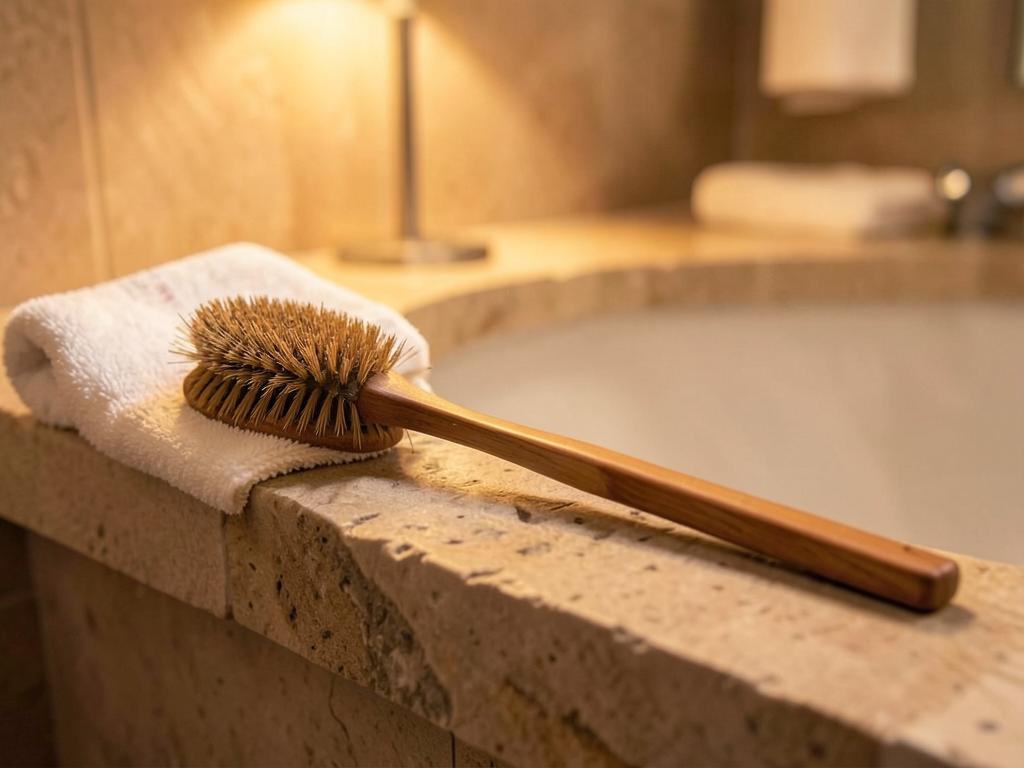
A soft-bristle brush over dry skin before showering. Pleasant, briefly stimulating, and gently exfoliating.
How to do it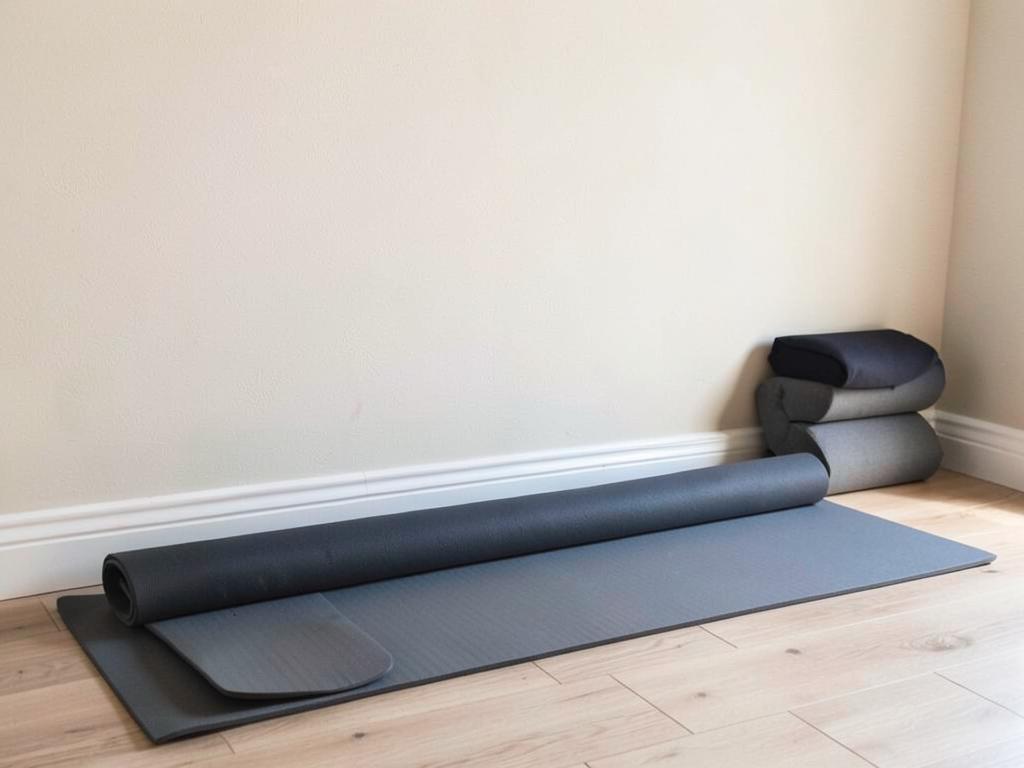
Ten quiet minutes with your legs vertical. Popular at the end of a long standing or sitting day.
How to do it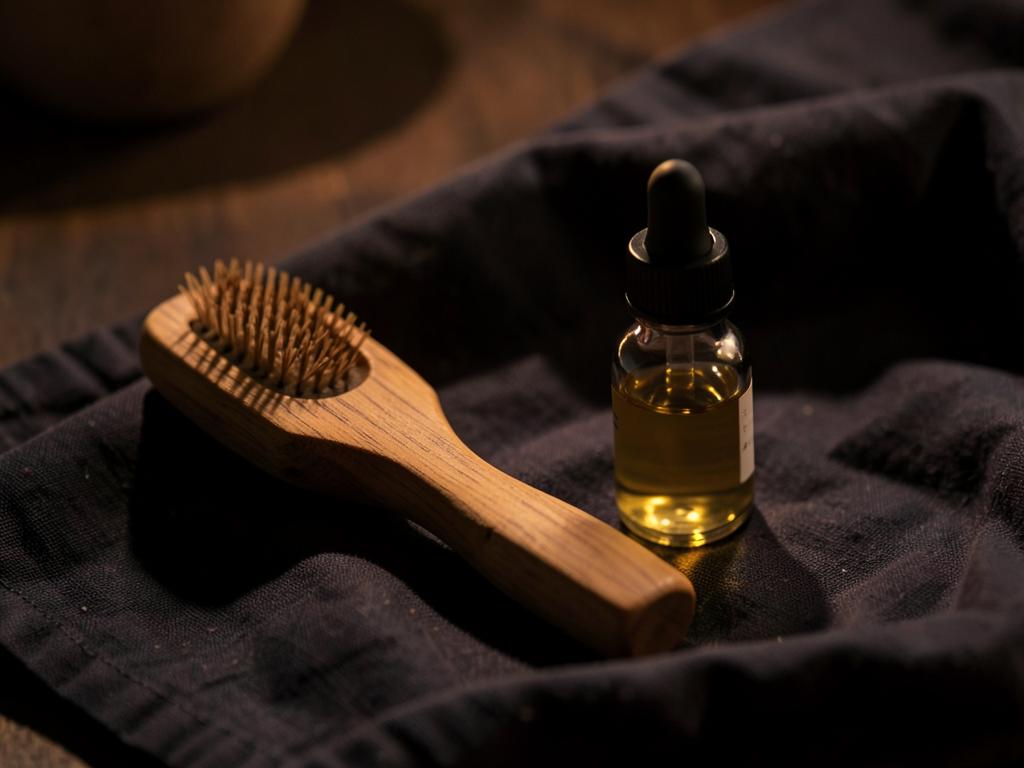
A few minutes of firm fingertip circles across the scalp, dry or with oil before washing.
How to do it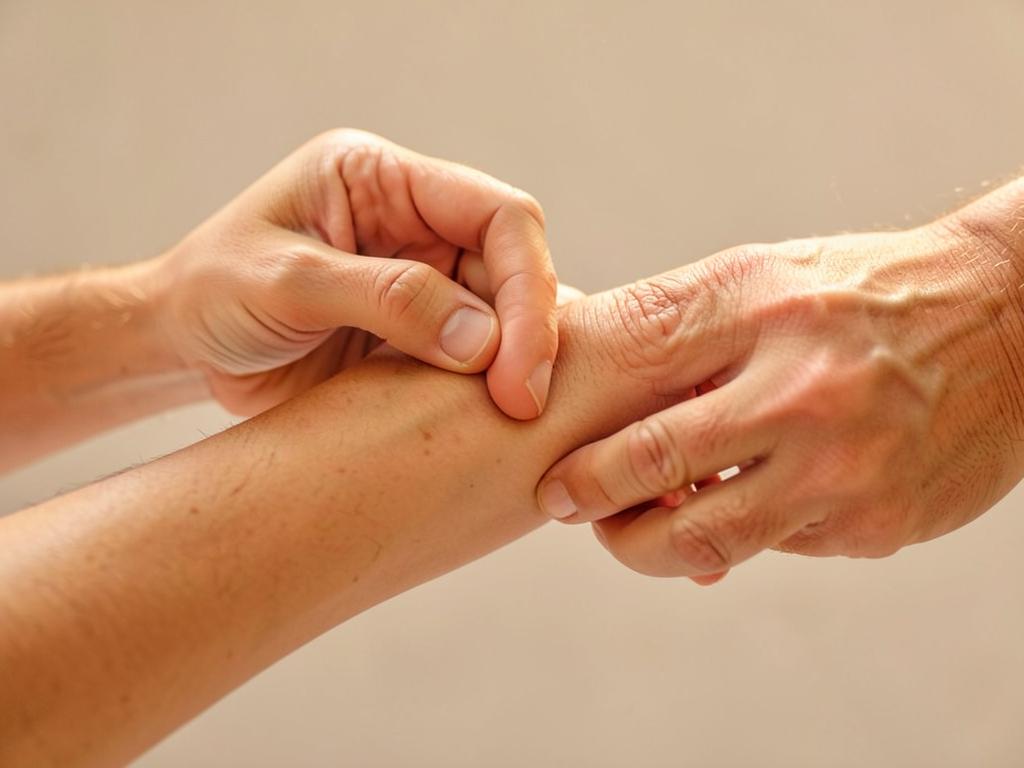
Traditional Chinese medicine
Steady thumb pressure on a few classical points, used at home for jaw, temple and shoulder tension.
How to do it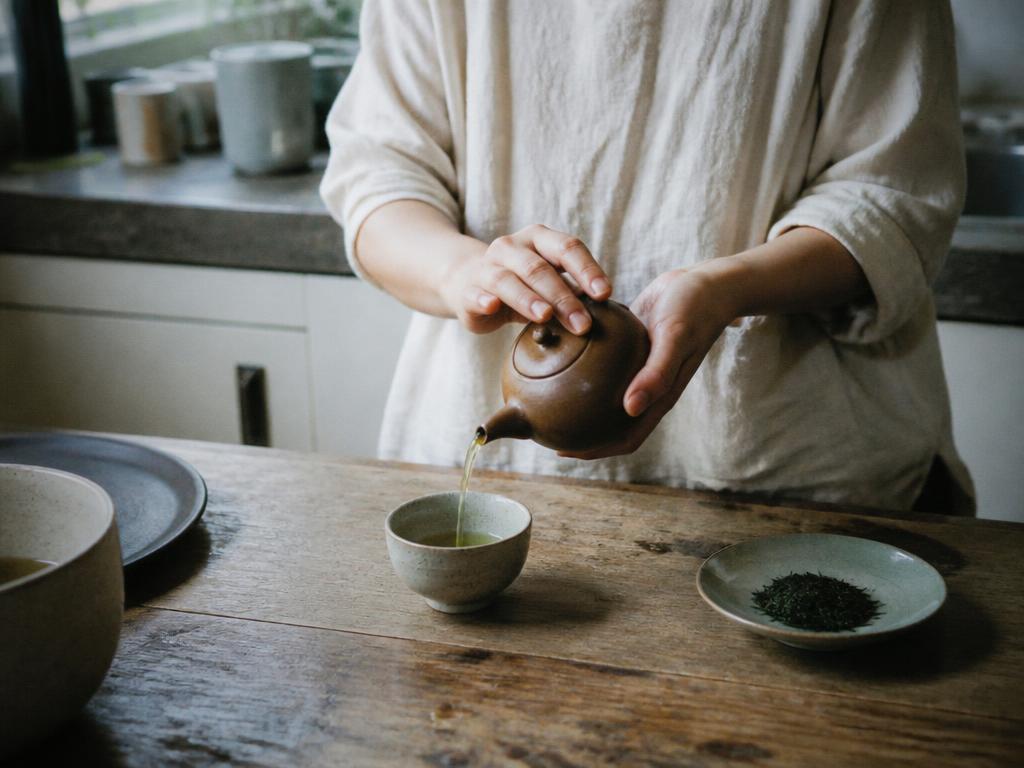
Chinese movement practice
Slow, repetitive standing movements coordinated with the breath. Gentler on the body than most exercise.
How to do it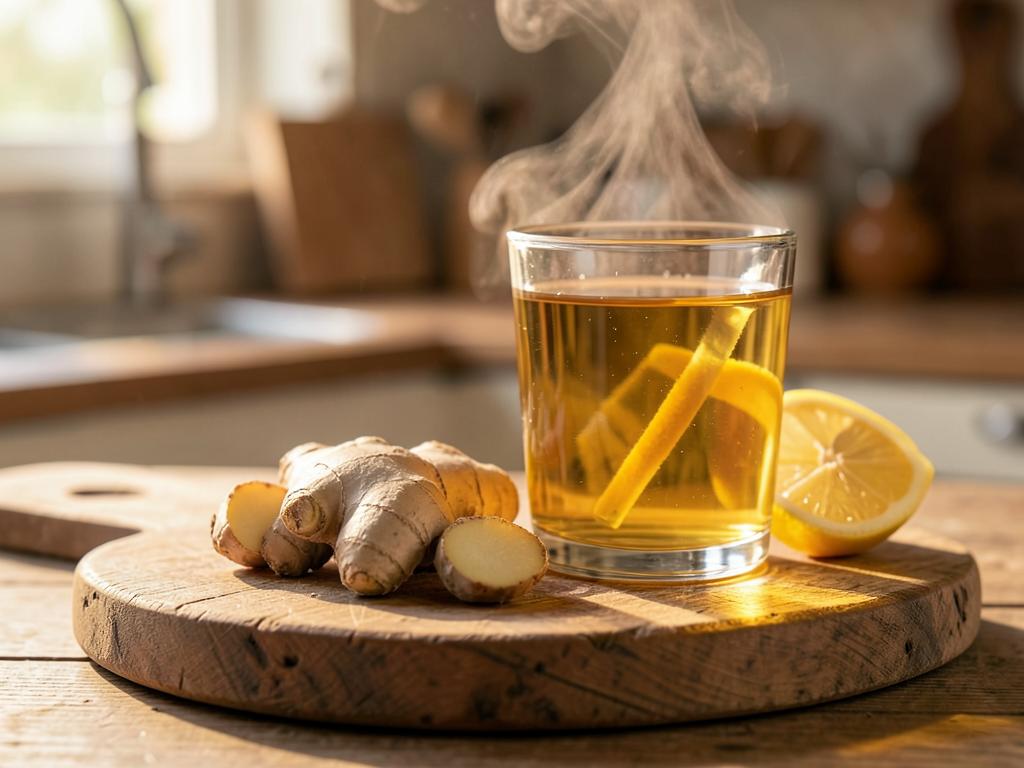
Common to several Asian and European traditions
A warm, caffeine-free drink after meals — a gentle habit rather than a remedy.
How to do it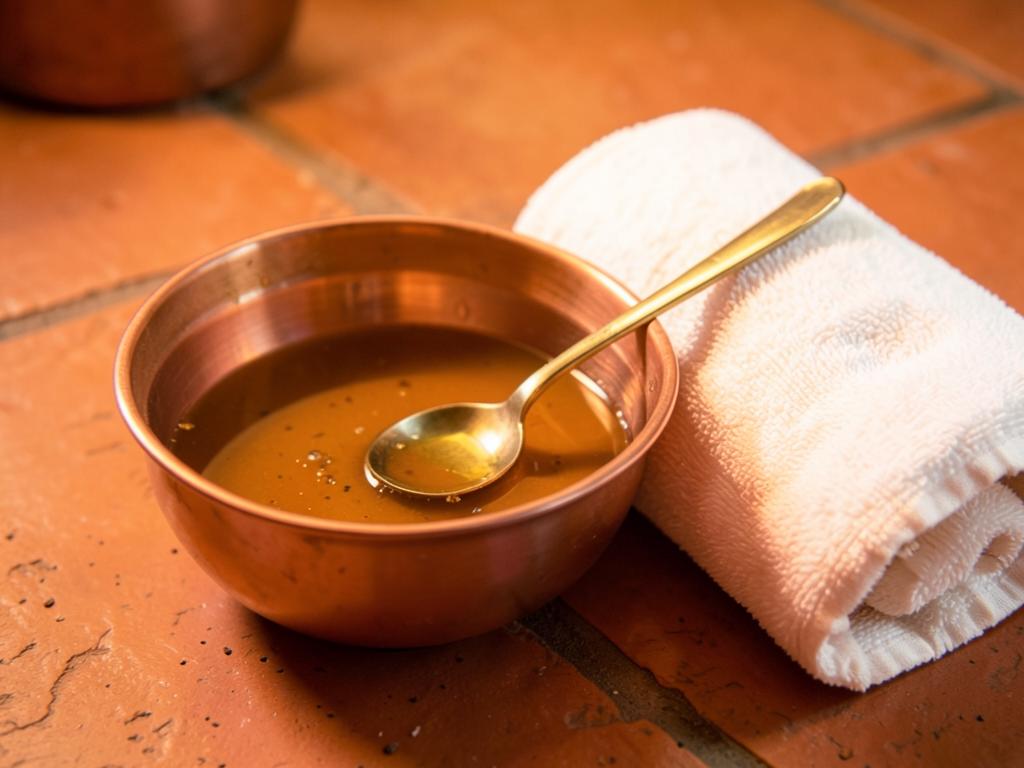
Ayurvedic abhyanga
Warmed oil worked into the whole body before a shower. Deeply moisturising and slow by design.
How to do it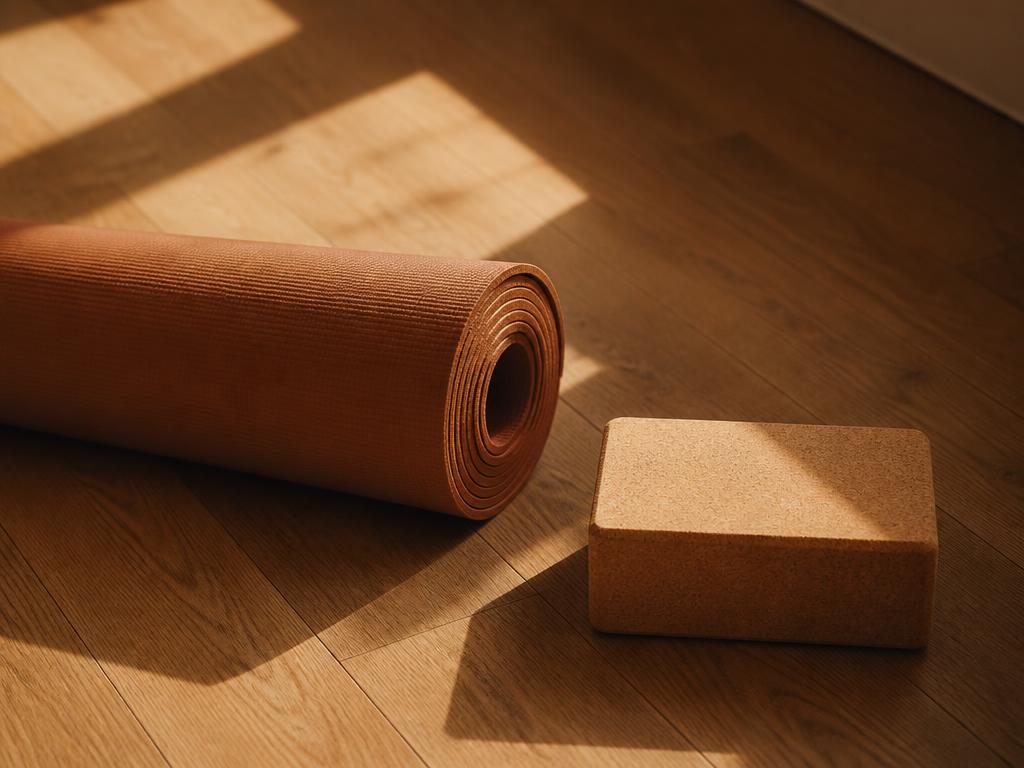
A short walk after eating, outdoors if possible. The single most practical answer to a mid-afternoon dip.
How to do it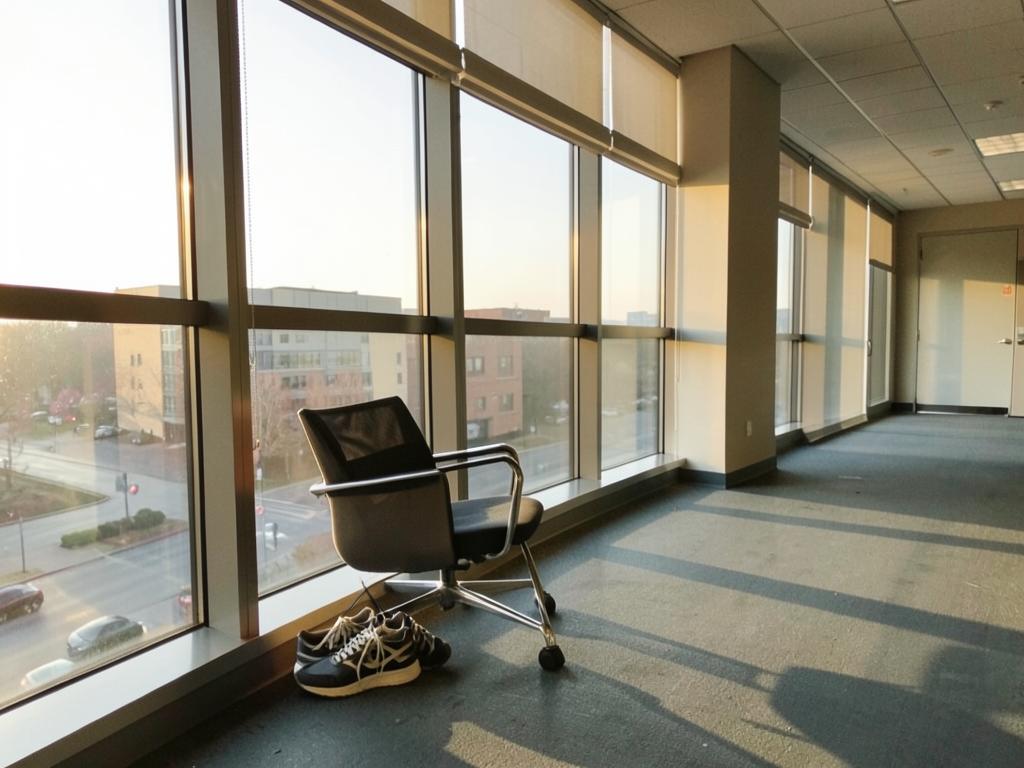
Two minutes of neck, chest and upper-back movement to undo the shape a desk puts you in.
How to do it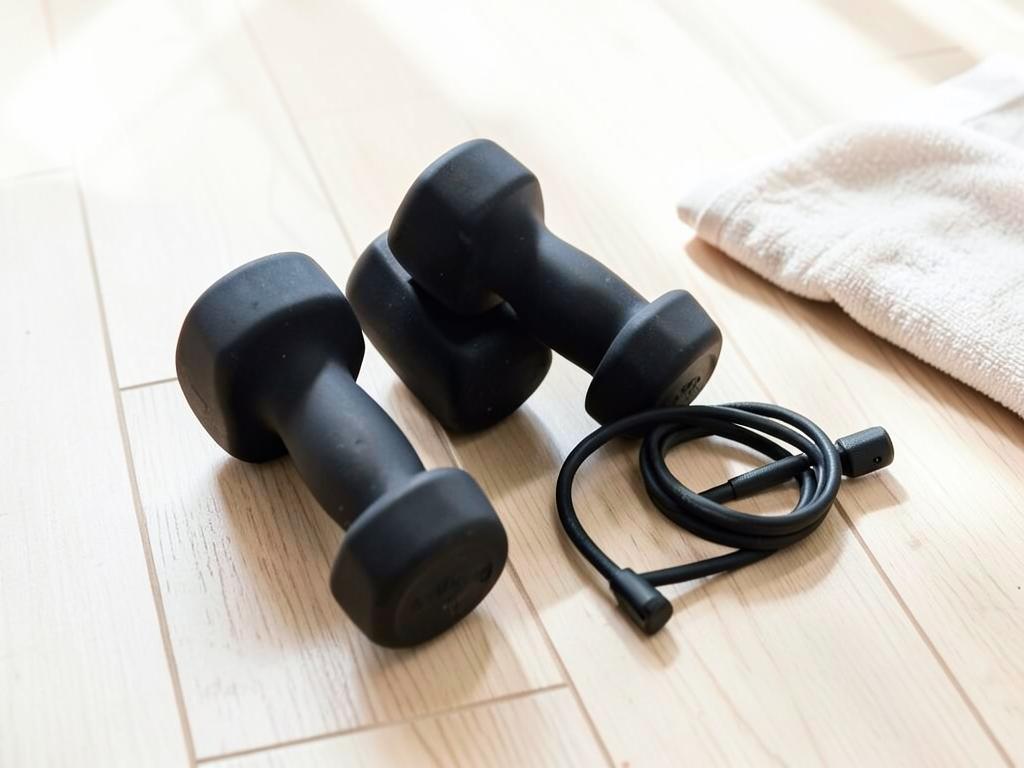
Resistance work twice a week — bodyweight counts. The most durable investment on this page.
How to do it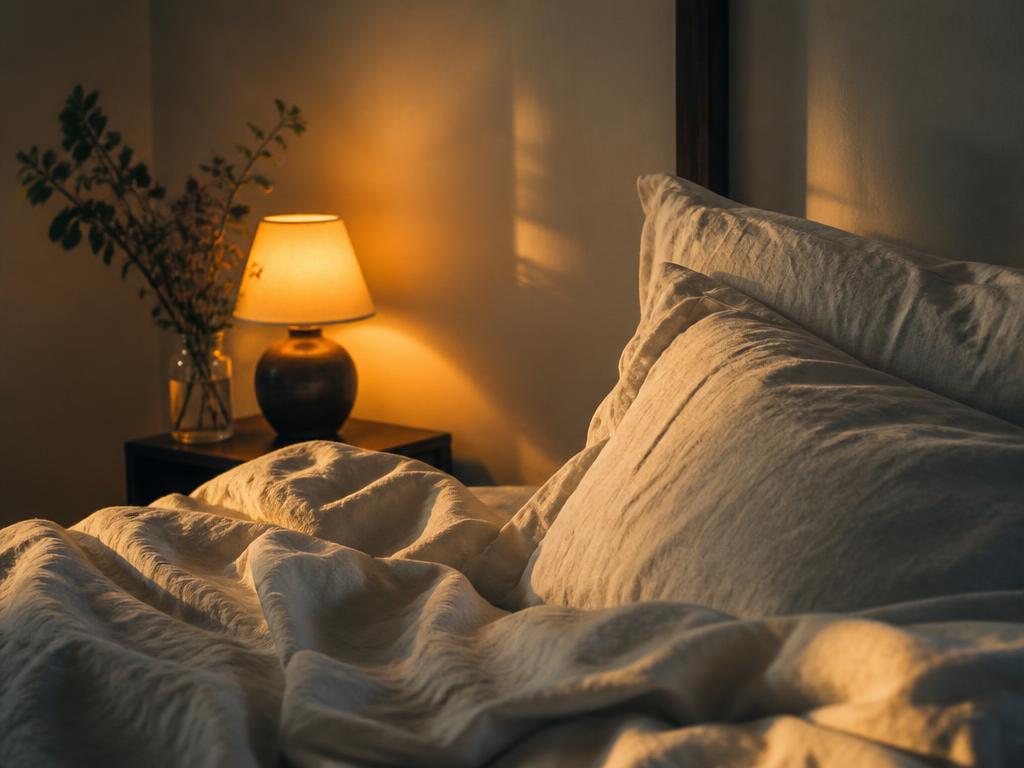
One hour before bed with dimmed lights, no work and no doomscrolling. The dullest advice that actually works.
How to do it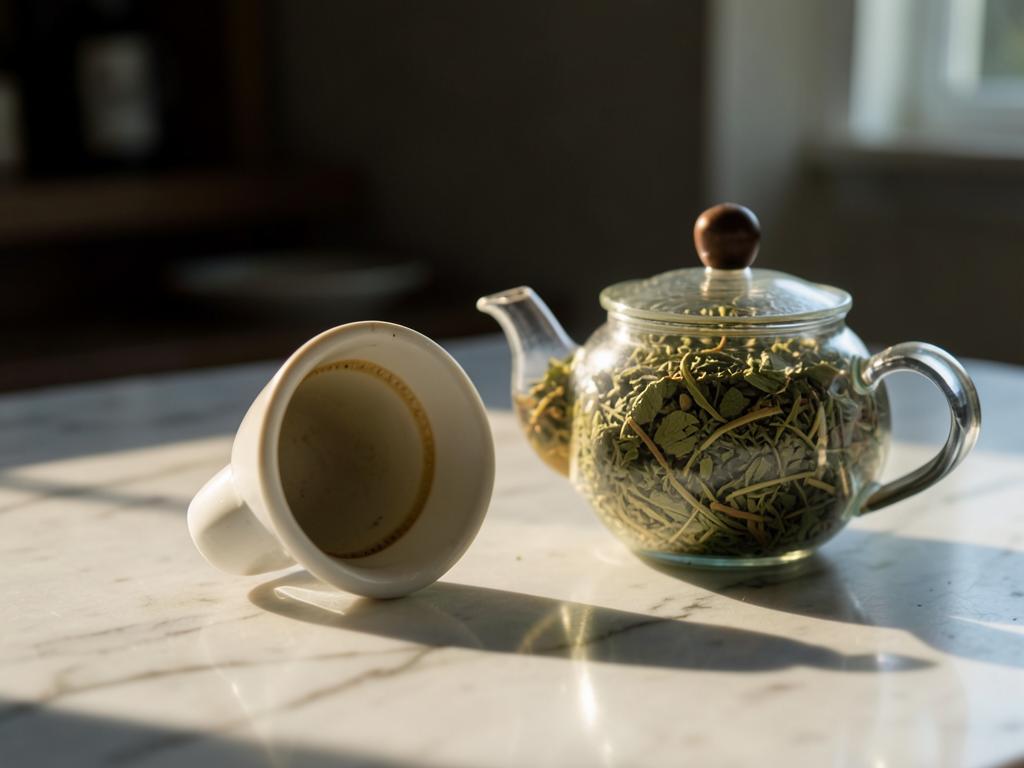
Last caffeine by early afternoon. Often the fastest fix for both the 3pm crash and a restless night.
How to do it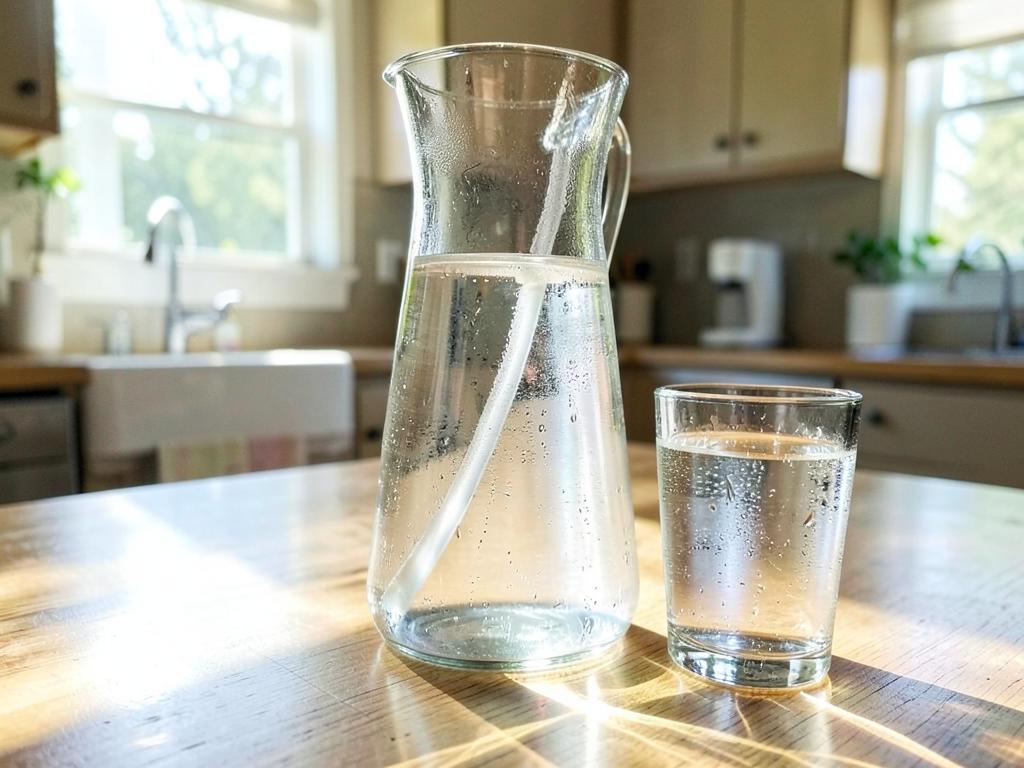
A glass of water attached to things you already do, rather than a daily target you'll forget.
How to do it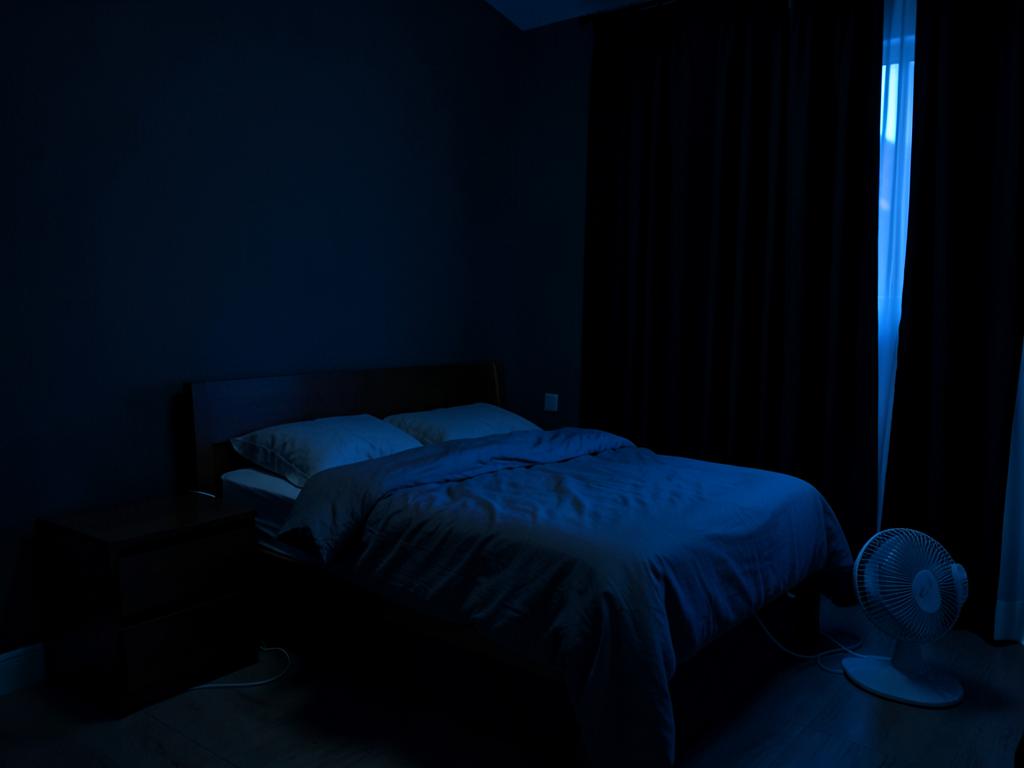
Temperature and darkness do more for sleep quality than most products sold for it.
How to do it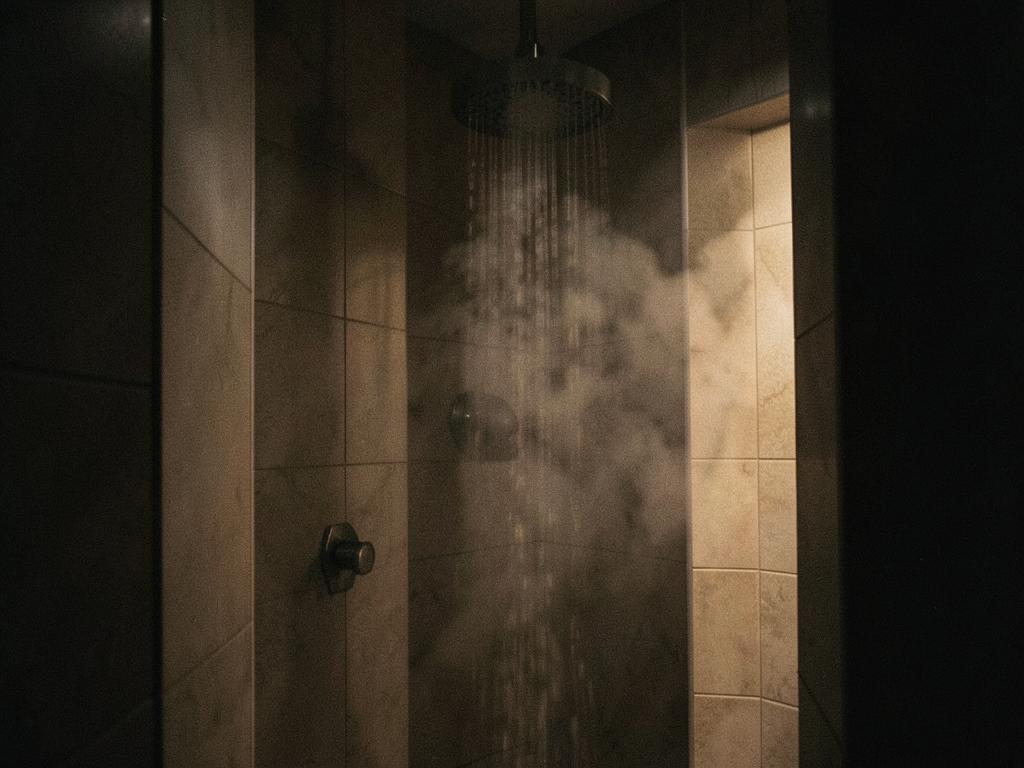
An evening shower with the lights off or very low. Warm water, no glare, no phone — a simple way to take the edge off a wired evening and hand your body a clear signal that the day is over.
How to do it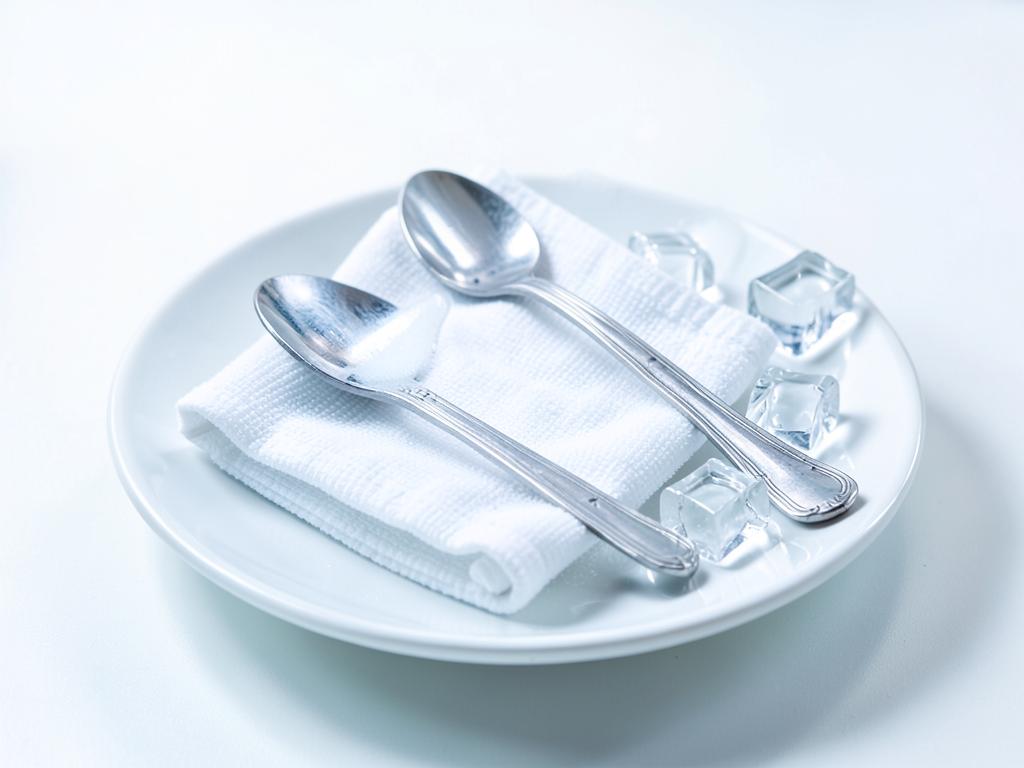
Two minutes of cold on closed eyes — the oldest and cheapest morning de-puffing trick there is.
How to do it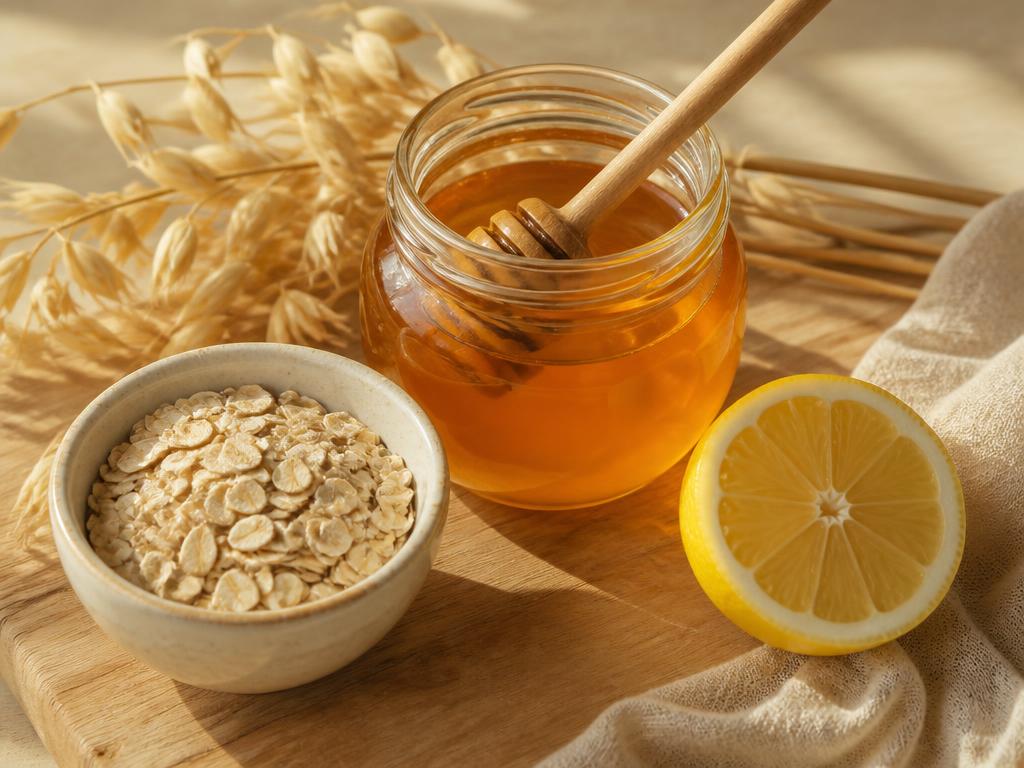
A lukewarm bath with finely milled oats, long used to calm itchy, tight or reactive body skin.
How to do itThe wellbeing analysis takes about three minutes and orders this library by what you've actually told us — and reads it alongside your skin, hair and body profiles.
Start the wellbeing analysisPractices are listed for general information only. Nothing here is medical advice, a diagnosis, or a treatment for any condition, and results are not promised. If something hurts, worsens, or worries you — or if you are pregnant, breastfeeding, managing a health condition or taking prescribed medication — speak to a doctor, pharmacist or qualified practitioner first.