Sleep & wind-down
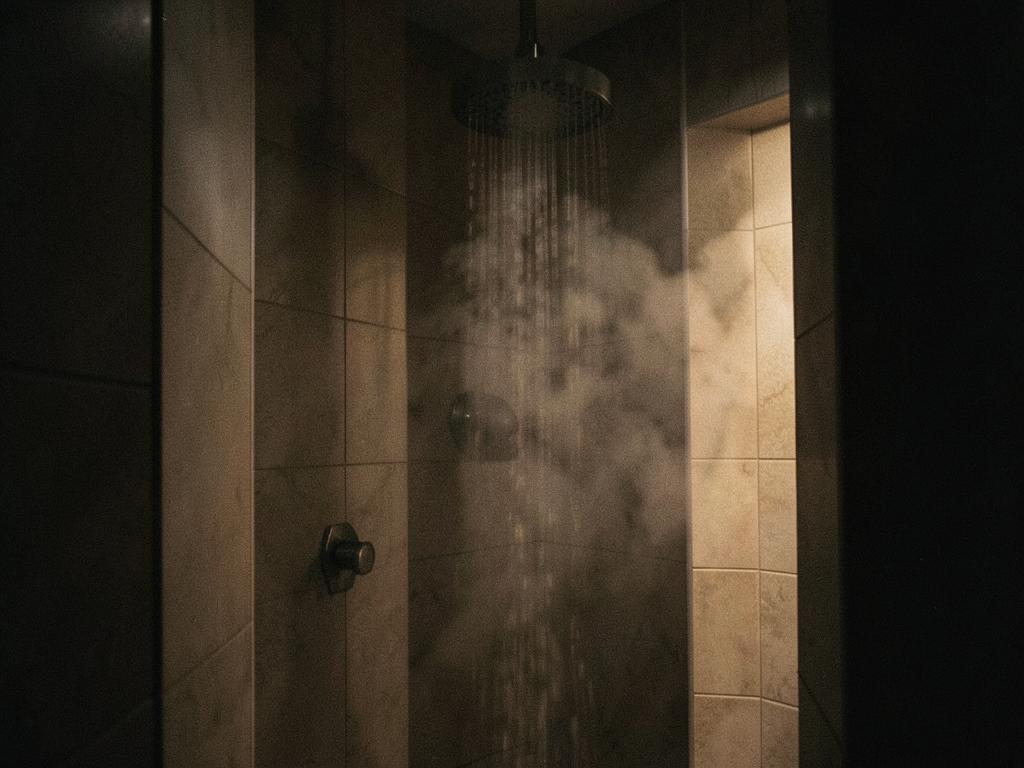
Showering in the dark
An evening shower with the lights off or very low. Warm water, no glare, no phone — a simple way to take the edge off a wired evening and hand your body a clear signal that the day is over.
How to do it
- 1Switch the main light off. Leave the door ajar for a little hallway light, or use a candle outside the shower if being in full darkness feels unsettling.
- 2Keep the water comfortably warm rather than hot.
- 3Leave your phone in another room — no podcast, no music if you can manage it.
- 4Stand still for the first minute and breathe out slowly. Let the sound of the water be the only thing you're paying attention to.
- 5Step out, dry off and stay in low light through the rest of your wind-down.
What the evidence says
Two ordinary things are doing the work here: a warm shower one to two hours before bed is one of the better-studied habits for falling asleep a little faster, and dim light in the evening is well supported in relation to sleep-wake rhythm. Darkness itself hasn't been studied as a practice, and nothing about this 'resets' your nervous system — it simply removes stimulation at a time of day when less of it helps.
Be careful if
- •Only in the dark if you feel steady on your feet. Skip it if you're dizzy, unsteady, pregnant and finding balance harder, or prone to fainting in heat.
- •Never use candles or tea lights inside the shower or anywhere they can be knocked over.
- •If darkness makes you anxious rather than calm, keep a low lamp on — the low light is the point, not the dark.
- •Very hot water and daily long showers can leave dry or sensitive skin worse; keep it warm and moisturise after.
Related treatments and devices
Others in this area
Practices are listed for general information only. Nothing here is medical advice, a diagnosis, or a treatment for any condition, and results are not promised. If something hurts, worsens, or worries you — or if you are pregnant, breastfeeding, managing a health condition or taking prescribed medication — speak to a doctor, pharmacist or qualified practitioner first.