The Best Ingredients for Skin Longevity: What Actually Deserves a Place in Your Routine?
Skin longevity is becoming one of the biggest ideas in beauty. But which skincare ingredients are actually worth your time — and your money?
Noui Collective · · 12 min read
Walk into a beauty retailer today and you’ll find hundreds of ingredients promising younger-looking, firmer, brighter, smoother skin. It sits inside our Skin Longevity Edit, which starts with the pillar guide to what skin longevity actually means.
Retinol.
Peptides.
Ceramides.
Niacinamide.
Acids.
PDRN.
Exosomes.
Copper peptides.
The list seems endless.
But if your goal isn’t simply to chase the latest skincare trend — and instead build a routine that supports healthy-looking skin over the long term — where should you actually focus?
The answer isn’t necessarily the newest ingredient.
In fact, some of the most valuable things you can do for your skin are remarkably unglamorous.
So we’ve looked at the major ingredient categories and separated the well-established essentials from the promising newcomers.
What does “skin longevity” actually mean?
Skin longevity is a broader concept than traditional anti-ageing skincare.
Rather than focusing exclusively on removing visible signs of ageing, the idea is to support the skin’s health, resilience and function over time.
That means thinking about:
- UV exposure
- Skin barrier health
- Oxidative stress
- Collagen and extracellular-matrix changes
- Pigmentation
- Inflammation
- Hydration
- Lifestyle factors
- Consistency
And importantly:
There isn’t one magic skin-longevity ingredient.
A genuinely effective routine is much more likely to be a combination of sensible protection, barrier support and evidence-backed actives.
The Noui Skin Longevity Ingredient Ladder
Rather than ranking ingredients from “best” to “worst”, we’ve grouped them according to the strength and usefulness of the evidence.
🟢 Tier 1 — The foundations
Broadly established and worth prioritising.
- Sunscreen
- Retinoids
- Moisturisers/barrier-supporting ingredients
🟡 Tier 2 — Strongly interesting supporting ingredients
Good evidence or meaningful potential, depending on the ingredient and formulation.
- Vitamin C
- Niacinamide
- Certain peptides
- Azelaic acid
🟠 Tier 3 — Emerging technologies
Interesting science, but less established for everyday cosmetic use.
- PDRN
- Copper peptides
- Certain advanced peptide systems
- Exosome-based technologies
🔴 Tier 4 — Hype territory
Ingredients or technologies where marketing claims can substantially outpace robust human evidence.
This doesn’t necessarily mean they’re useless.
It means:
Don’t confuse exciting science with established results.
1. Sunscreen: the unglamorous superstar
If there is one category that deserves to sit at the top of a skin-longevity routine, it’s sun protection.
Ultraviolet radiation is one of the major environmental contributors to premature skin ageing.
Repeated UV exposure contributes to processes involved in:
- Collagen breakdown
- Pigmentation
- Wrinkling
- Loss of elasticity
- Photoageing
So while a serum might promise to “reverse” visible ageing, sunscreen helps address one of the major causes of it in the first place.
That’s why we would put daily broad-spectrum sunscreen firmly in the foundation category.
And this isn’t about finding the most expensive SPF.
It’s about finding one you:
Like → apply → use enough of → and actually wear consistently.
Because the best sunscreen is the one you will use.
2. Retinoids: the evidence-backed workhorse
Retinoids have been used in dermatology for decades.
They’re derivatives of vitamin A and include both prescription and cosmetic forms.
Retinoids have a substantial evidence base for improving the appearance of photoaged skin, including:
- Fine lines
- Uneven pigmentation
- Texture
- Photodamage
They also influence processes involved in skin-cell turnover and the extracellular matrix.
That makes retinoids one of the most evidence-backed categories in topical anti-ageing skincare.
But they aren’t necessarily suitable for everyone.
They can cause:
- Dryness
- Redness
- Peeling
- Irritation
particularly when introduced too quickly.
And different retinoids have different strengths and uses.
So the answer isn’t necessarily:
“Use the strongest retinoid possible.”
It’s:
“Find an effective option your skin can tolerate consistently.”
3. Vitamin C: antioxidant with serious potential
Vitamin C is another longstanding skincare ingredient.
Topical vitamin C has been studied for its antioxidant properties and its potential role in addressing photoageing and pigmentation.
It is also involved in collagen synthesis.
But there is an enormous caveat:
Vitamin C formulations vary.
The ingredient can be challenging to formulate because some forms are relatively unstable.
You’ll encounter different forms including:
- L-ascorbic acid
- Sodium ascorbyl phosphate
- Magnesium ascorbyl phosphate
- Ascorbyl glucoside
- Tetrahexyldecyl ascorbate
These aren’t simply interchangeable.
So when comparing vitamin C products, don’t just look at:
“Vitamin C serum.”
Look at the actual form, concentration, formulation and packaging.
4. Niacinamide: the multitasker
Niacinamide is a form of vitamin B3.
It has become one of the most common ingredients in modern skincare — and for good reason.
Research has investigated niacinamide for several cosmetic skin concerns, including:
- Barrier function
- Pigmentation
- Fine lines
- Texture
- Redness
- Sebum regulation
One of its major advantages is versatility.
It can fit into many different routines and is generally considered relatively well tolerated.
But again:
More isn’t necessarily better.
A product shouting about a very high percentage isn’t automatically superior to a well-formulated product containing a lower concentration.
5. Ceramides: the barrier specialists
If skin longevity is about maintaining healthy skin over time, the skin barrier deserves far more attention than it usually gets.
Ceramides are naturally occurring lipids found within the skin barrier.
They help contribute to the organisation and function of the outer skin layer.
When the barrier is compromised, skin can become:
- Dry
- Tight
- Irritated
- More reactive
A routine doesn’t need to contain ten advanced actives to be effective.
Sometimes supporting the barrier is the most sensible thing you can do.
Look for formulations containing ingredients such as:
- Ceramides
- Cholesterol
- Fatty acids
- Humectants
- Occlusive ingredients
depending on your skin’s needs.
6. Peptides: promising, but look beyond the word
We’ve already covered peptides extensively in this cluster.
The key takeaway is:
Peptides are a category, not one ingredient.
Different peptides have different structures and proposed functions.
Some have promising evidence relating to:
- Skin structure
- Fine lines
- Extracellular-matrix processes
- Collagen-related pathways
But evidence varies enormously.
So:
“Contains peptides”
isn’t enough information to determine whether a product is worthwhile.
You need to know:
Which peptide?
And:
What evidence exists for it?
7. Azelaic acid: the underrated ingredient
Azelaic acid doesn’t receive nearly as much attention as retinol or peptides in the skin-longevity conversation.
But it has a substantial dermatological history.
It’s particularly interesting for people concerned with things such as:
- Uneven pigmentation
- Redness
- Blemish-prone skin
- Uneven texture
It’s also generally considered a useful option for people who may not tolerate some stronger actives.
The important point is that skin longevity isn’t only about wrinkles.
Maintaining even-looking, comfortable, resilient skin is part of the bigger picture too.
8. Hyaluronic acid: hydration, not a collagen miracle
Hyaluronic acid is everywhere.
Serums.
Creams.
Masks.
Injectables.
But these are very different applications.
Topically, hyaluronic acid is primarily valued for its ability to attract and retain water.
That can help skin feel:
- Hydrated
- Plumper
- Softer
- More comfortable
But don’t confuse temporary hydration and plumping with rebuilding the underlying structure of ageing skin.
A hydrated wrinkle can look less noticeable.
That doesn’t mean you’ve reversed the biological ageing process.
And that’s an important distinction.
9. Copper peptides: one to watch
Copper peptides — particularly GHK-Cu — have attracted significant interest in skin longevity.
Research has investigated their potential role in:
- Extracellular-matrix processes
- Tissue repair
- Collagen-related pathways
- Skin ageing
There are also human topical studies that have reported improvements in some measures of photoaged skin.
But the evidence remains considerably smaller than the marketing surrounding the ingredient.
We explore this in detail in:
Our view:
Interesting? Absolutely.
Miracle? No.
Products worth exploring
From the Noui catalogue, matched to what this guide covers. Prices come from our live retailer comparison.

La Roche-Posay
Anthelios UVMune 400 Invisible Fluid SPF50+
50ml
Targets fine lines and visible signs of ageing

10. PDRN: the regenerative skincare trend
PDRN has become one of the biggest trends in Korean skincare and regenerative aesthetics.
It’s a DNA-derived material that has been investigated in tissue repair and regenerative medicine.
There is legitimate scientific interest.
But the strongest evidence around PDRN isn’t necessarily equivalent to evidence for an ordinary PDRN skincare serum.
Route of administration and formulation matter.
So if you’re buying a PDRN product:
Don’t automatically transfer clinical or medical research to the bottle in your bathroom.
Our full PDRN, exosomes and peptides article explores this distinction.
11. Exosomes: fascinating, but proceed carefully
Exosomes and extracellular vesicles are one of the most talked-about developments in regenerative medicine.
The underlying science is genuinely fascinating.
These tiny vesicles are involved in cell-to-cell communication and carry biological molecules.
Research is investigating their potential applications across areas including dermatology and tissue repair.
But commercial exosome skincare is a rapidly developing area.
Questions remain around:
- Source
- Purification
- Standardisation
- Manufacturing
- Delivery
- Clinical evidence
- Long-term safety for particular applications
So this is one area where we would be especially wary of claims such as:
“Regenerates your skin.”
Interesting technology?
Yes.
Established cosmetic solution?
Not yet.
What about exfoliating acids?
Alpha hydroxy acids and beta hydroxy acids can be extremely useful.
Common examples include:
AHAs
- Glycolic acid
- Lactic acid
- Mandelic acid
BHA
- Salicylic acid
They can help improve aspects of:
- Texture
- Dullness
- Uneven tone
- Congestion
But more exfoliation isn’t necessarily better.
Over-exfoliating can compromise the skin barrier and lead to irritation.
For longevity, the goal isn’t:
“Remove as much skin as possible.”
It’s:
“Keep the skin healthy and functioning well.”
What about antioxidants?
Oxidative stress is one of the mechanisms investigated in skin ageing.
This is why antioxidant ingredients appear throughout skincare.
Vitamin C is the most famous example, but you’ll also encounter:
- Vitamin E
- Ferulic acid
- Green tea polyphenols
- Coenzyme Q10
- Resveratrol
- Other plant-derived antioxidants
The evidence varies by ingredient and formulation.
Again, don’t let the word “antioxidant” do all the marketing work.
What about growth factors?
Growth factors are another area of advanced skincare that deserves careful attention.
They’re biological signalling molecules involved in processes such as cell growth and tissue repair.
Some cosmetic products are marketed around growth-factor technology.
There is scientific interest, but formulations and evidence vary considerably.
As with peptides and exosomes:
The specific molecule and evidence matter more than the category name.
So what would an actual skin-longevity routine look like?
This is where everything becomes much simpler.
You don’t need every ingredient on this list.
Morning
Gentle cleanse
or simply rinse, depending on your skin.
↓
Antioxidant/targeted serum
For example, vitamin C or another suitable active.
↓
Moisturiser
If needed.
↓
Broad-spectrum SPF
Evening
Cleanse
↓
Targeted active
For example, a retinoid if appropriate.
↓
Hydrating/barrier-supporting serum
Optional.
↓
Moisturiser
That’s it.
Peptides, copper peptides, PDRN and other advanced ingredients can potentially be added according to your goals and preferences.
But they don’t need to replace the foundations.
The biggest mistake in skin longevity
It’s easy to become obsessed with finding the newest ingredient.
The next peptide.
The next regenerative serum.
The next “biohacking” treatment.
But if you’re spending £150 on an advanced serum while skipping SPF?
You’re focusing on the wrong thing.
If you’re using five powerful actives and constantly irritating your skin barrier?
You’re probably not helping your skin longevity either.
And if you’re changing your routine every two weeks because TikTok has found another miracle ingredient?
You’re never giving anything enough time to assess properly.
Skin longevity is boringly consistent
Protect.
Support.
Target.
Repeat.
That’s much less exciting than a £300 “regenerative” serum.
But it may be much more useful.
The Noui Skin Longevity Checklist
If you’re building your routine, ask:
☀️ Am I protecting my skin from UV?
Priority: Very high
🧴 Is my skin barrier healthy?
Priority: Very high
🧬 Am I using an evidence-backed active appropriate for my goals?
Priority: High
🧪 Am I adding ingredients because I need them — or because they’re trending?
Priority: High
💰 Am I paying for evidence or marketing?
Priority: Very high
🔬 Do I understand the evidence behind the specific ingredient?
Priority: Very high
Noui ingredient verdict
| Ingredient/category | Evidence | Skin longevity relevance |
|---|---|---|
| Sunscreen | 🟢 Strong | ⭐⭐⭐⭐⭐ |
| Retinoids | 🟢 Strong | ⭐⭐⭐⭐⭐ |
Barrier-supporting ingredients 🟢 Strong ⭐⭐⭐⭐⭐ Vitamin C 🟢 Good ⭐⭐⭐⭐ Niacinamide 🟢 Good ⭐⭐⭐⭐ Azelaic acid 🟢 Good ⭐⭐⭐⭐
| Peptides | 🟡 Variable | ⭐⭐⭐ |
|---|
Copper peptides 🟡 Emerging ⭐⭐⭐
| PDRN | 🟡 Emerging | ⭐⭐⭐ |
|---|---|---|
| Exosomes | 🟠 Early/emerging | ⭐⭐ |
Hyaluronic acid 🟢 Good for hydration ⭐⭐⭐
The stars aren’t a scientific score. They’re simply a Noui editorial guide to how relevant each category is within a broader skin-longevity routine.
The bottom line
If you want healthier-looking skin for as long as possible, you don’t need to chase every new ingredient.
Start with the things we know matter.
Protect from UV.
Support the skin barrier.
Use evidence-backed actives appropriately.
Stay consistent.
Then, if you’re interested in the cutting edge, explore ingredients such as peptides, copper peptides and PDRN with an understanding of where the evidence currently stands.
Because skin longevity isn’t about finding the one product that stops ageing.
It’s about making better decisions repeatedly.
And that’s exactly what Noui is here to help with.
Less hype. More evidence. Better choices.
This article is for general information and is not medical advice. Skincare ingredients affect people differently — if you have a skin condition, are pregnant or are unsure whether something suits you, speak to a GP, pharmacist or dermatologist.
From the Noui catalogue
Explore relevant products
Matched to what this guide covers. Prices come from our live retailer comparison, not from this article.
La Roche-Posay
Anthelios UVMune 400 Invisible Fluid SPF50+
50ml
Targets fine lines and visible signs of ageing


The Ordinary
Retinol 0.2% in Squalane
30ml
Targets fine lines and visible signs of ageing · formulated with retinol
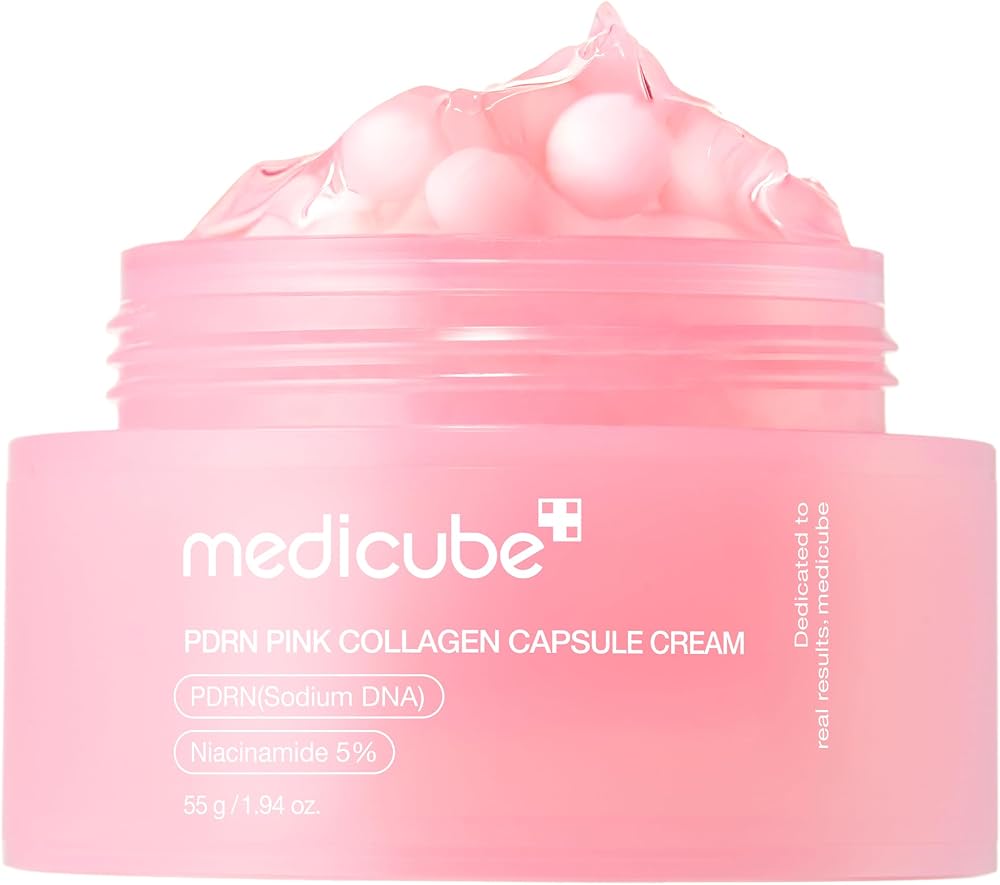
Medicube
Capsule Cream with Salmon DNA PDRN Pink Collagen
55ml · 4.4★ (1,800)
Targets fine lines and dullness · formulated with niacinamide

COSRX
The Retinol 0.1 Cream
20ml
Targets fine lines and visible signs of ageing · formulated with retinol
Keep exploring
Treatments and rituals to read next
- Microneedling (collagen induction)
A device passes very fine needles through the skin at a controlled depth to create tiny channels.
- Professional chemical peel
A controlled acid solution is applied by a professional to exfoliate the surface layers more deeply than a home product.
- RF microneedling
Microneedling combined with radiofrequency energy delivered from the needle tips into the deeper skin.
More from this Noui Edit
Skin Longevity
The shift from reversing ageing to protecting skin health
Skin Longevity: What Does It Actually Mean for Your Skin?
Skin longevity is one of beauty's biggest shifts in 2026. But is it just a new name for anti-ageing — or is there more to it?
· 8 min read
PDRN, Exosomes & Peptides: What’s the Difference?
Three of the biggest names in next-generation skincare — but PDRN, exosomes and peptides are very different technologies.
· 11 min read
Skincare for Rosacea-Prone Skin: What Helps, What Hurts
Rosacea is a medical condition, and treating it is a job for a clinician. Your routine still matters. Here is what the evidence supports for skin that flushes, stings and reacts.
· 8 min read

Sleep and Skin Barrier Repair: Why Rest Is Part of Your Routine
Barrier repair runs overnight. What sleep research supports for skin, and how to make the hours you already have count for more.
· 7 min read
You may also like
Skin Longevity: What Does It Actually Mean for Your Skin?
Skin longevity is one of beauty's biggest shifts in 2026. But is it just a new name for anti-ageing — or is there more to it?
· 8 min read
Skin Longevity vs Anti-Ageing: What's the Difference?
Anti-ageing skincare has been around for decades. So why is everyone suddenly talking about skin longevity — and is it actually different?
· 8 min read
Peptides in Skincare: What Do They Actually Do?
Peptides are everywhere in skincare right now. But what are they actually doing for your skin — and are they worth paying more for?
· 9 min read
Copper Peptides (GHK-Cu): What Does the Evidence Actually Say?
Copper peptides are having a major moment in skincare. But behind the futuristic packaging and "skin regeneration" claims, what does the science actually tell us?
· 10 min read
Retinol vs Peptides: Which Is Better for Your Skin?
Two of the biggest names in modern anti-ageing skincare — but should you choose retinol or peptides? We compare the evidence, the irritation risk and whether you need both.
· 10 min read
Can Peptides Really Stimulate Collagen? What the Science Says
Peptides are sold on the promise of collagen. Here is what laboratory and human research actually shows, where the evidence is still thin, and how to read a peptide claim without being sold a story.
· 9 min read