Skincare for Rosacea-Prone Skin: What Helps, What Hurts
Rosacea is a medical condition, and treating it is a job for a clinician. Your routine still matters. Here is what the evidence supports for skin that flushes, stings and reacts.
Noui Collective · · 8 min read
Rosacea is one of the few skin concerns where the internet gets the order of operations backwards. Products are treated as the solution and the clinician as a last resort. It works better the other way around: rosacea is a chronic inflammatory condition with genuine medical treatments behind it, and skincare's role is to keep the skin comfortable enough that those treatments can work.
That is a smaller job than most routines attempt. It is also the part you control every day.
This is cosmetic information, not a diagnosis or medical advice. Persistent facial redness, visible vessels, bumps, stinging or eye irritation should be assessed by a GP or dermatologist — several conditions look similar, and prescription options exist that no cosmetic product replaces.
Why a gentle routine is not a cop-out
Rosacea-prone skin tends to have a more reactive barrier and a lower threshold for stinging. In practice that means the things that irritate ordinary skin slightly can set off a flush that lasts hours or days. So the aim of a routine is not to correct redness with actives — it is to reduce the number of daily provocations.
Three steps do most of the work:
- A non-foaming, lukewarm cleanse. Once or twice a day, fingertips only, no washcloths or brushes.
- A moisturiser you find genuinely comfortable. Ceramides, squalane and hyaluronic acid all support a barrier that is losing water faster than it should.
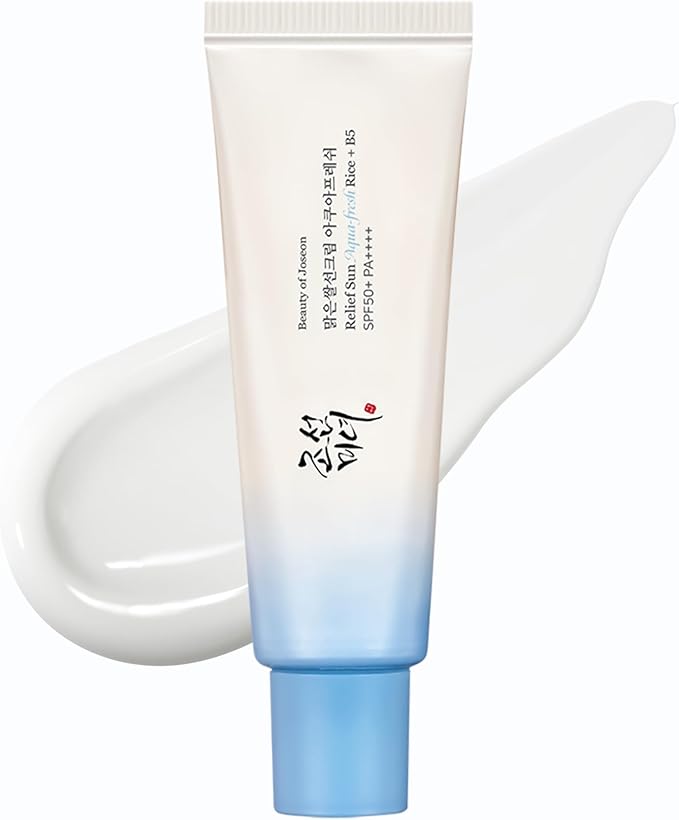
- Daily sunscreen. UV is among the most commonly reported flare triggers, and it is the one with the strongest reason to be non-negotiable. Mineral filters are often better tolerated on stinging-prone skin; the finish matters more than the marketing, because the sunscreen you actually wear is the one that helps.
If your skin is calm on that base for a few weeks, you have a foundation. Adding anything before that point makes it impossible to tell what caused what.
The ingredients with the most support
- [Azelaic acid](/ingredient/azelaic-acid). Well studied for the bumps and redness of papulopustular rosacea, available both cosmetically and on prescription at higher strengths. Slow to show results; worth the patience.
- [Niacinamide](/ingredient/niacinamide). Supports barrier lipids and is generally well tolerated at 4–5%. Modest, unglamorous, useful.
- [Centella](/ingredient/centella) and other soothing extracts. Reasonable comfort ingredients. The evidence is lighter than for azelaic acid, so treat them as supporting cast.
Introduce one at a time, on alternate days, and give each three to four weeks before deciding.
What tends to make it worse
- Physical scrubs and cleansing brushes. No upside here, and a reliable route to a flare.
- High-strength acids and strong retinoids started at full pace. Some people tolerate a low-strength retinoid eventually, under guidance. Starting there is how routines go wrong.
- Alcohol-heavy toners, menthol, camphor, essential-oil-led fragrance. Anything that produces a cooling or tingling sensation is telling you something.
- Hot water, saunas and very hot showers. Heat itself is a common trigger, independent of what you apply. There is more on that in our guide to barrier health.
- Doing several new things at once. The most useful diagnostic tool you own is patience.
Products worth exploring
From the Noui catalogue, matched to what this guide covers. Prices come from our live retailer comparison.

Triggers are individual, so track them
Commonly reported triggers include UV, heat, alcohol, spicy food, stress and abrupt temperature changes — but the list varies enormously between people, and guessing wastes months. Note what your skin did and what preceded it for a few weeks. Patterns show up faster than you expect, and a written record is far more useful at an appointment than a memory.
Stress deserves a mention because it is so often dismissed: sleep and stress affect inflammatory conditions in general, and we cover the mechanisms in sleep and your skin barrier and what people mean by "cortisol face".
Redness you can see versus redness you can treat
Two things get conflated. Flushing and inflammatory bumps often respond to treatment. Visible, persistent vessels generally do not respond to topicals at all — that is where in-clinic light and laser options are discussed, and where a clinician's assessment is the whole point. No serum reaches them.
Colour-correcting makeup is a legitimate answer to the cosmetic part of this, and choosing it is not giving up.
A routine that stays boring
Morning: gentle cleanse or water rinse, moisturiser, sunscreen. Evening: gentle cleanse, moisturiser, plus whichever single treatment step you and your clinician have settled on.
That is it. The temptation, especially during a good spell, is to add. Rosacea-prone skin rewards the opposite instinct.
Noui's verdict
- See a clinician first — the treatments with the best evidence are prescriptions, not products. Then keep your routine short: gentle cleanse, a barrier moisturiser, daily sunscreen, and at most one well-chosen active such as azelaic acid or niacinamide. Track triggers, resist adding steps, and treat visible vessels as a conversation for the clinic. Our [Skin Longevity Edit](/edit/cluster/skin-longevity) covers the wider evidence, and the [free skin profile](/analysis/skin) will keep recommendations on the gentler end if you tell it your skin reacts easily.
From the Noui catalogue
Explore relevant products
Matched to what this guide covers. Prices come from our live retailer comparison, not from this article.


Avène
Cicalfate+ Restorative Protective Cream
100ml
Targets redness and compromised barrier · formulated with centella

La Roche-Posay
Cicaplast Baume B5+
100ml
Targets redness and compromised barrier · formulated with centella

Anua
Heartleaf Pore Control Cleansing Oil
200ml
Targets redness and compromised barrier · formulated with centella
Keep exploring
Treatments and rituals to read next
- Reflexology
A structured pressure massage of the feet, and sometimes hands and ears, based on the traditional idea that areas of the foot map to the body.
- Box breathing practice
A four-count breathing pattern you can do anywhere to slow a racing nervous system.
- Float therapy
Floating in a shallow pool or pod of heavily salted, skin-temperature water, usually in darkness and quiet.
More from this Noui Edit
Skin Longevity
The shift from reversing ageing to protecting skin health
Skin Longevity: What Does It Actually Mean for Your Skin?
Skin longevity is one of beauty's biggest shifts in 2026. But is it just a new name for anti-ageing — or is there more to it?
· 8 min read

Sleep and Skin Barrier Repair: Why Rest Is Part of Your Routine
Barrier repair runs overnight. What sleep research supports for skin, and how to make the hours you already have count for more.
· 7 min read

Cortisol Face: What's Real and What's Exaggerated
Stress does affect skin. "Cortisol face" as a diagnosis you can spot in a selfie is a social-media invention. Here is the line between the two.
· 7 min read
The Gut-Skin Axis, Fact-Checked
The gut and skin do communicate. That does not mean your breakouts are a leaky gut, or that a probiotic is a skincare step.
· 8 min read
You may also like
The best moisturisers for dry, sensitive skin
Barrier-first picks that avoid fragrance, essential oils and unnecessary actives.
· 6 min read
Sleep and Skin Barrier Repair: Why Rest Is Part of Your Routine
Barrier repair runs overnight. What sleep research supports for skin, and how to make the hours you already have count for more.
· 7 min read
Cortisol Face: What's Real and What's Exaggerated
Stress does affect skin. "Cortisol face" as a diagnosis you can spot in a selfie is a social-media invention. Here is the line between the two.
· 7 min read
Retinol vs Peptides: Which Is Better for Your Skin?
Two of the biggest names in modern anti-ageing skincare — but should you choose retinol or peptides? We compare the evidence, the irritation risk and whether you need both.
· 10 min read
Skin Longevity: What Does It Actually Mean for Your Skin?
Skin longevity is one of beauty's biggest shifts in 2026. But is it just a new name for anti-ageing — or is there more to it?
· 8 min read
Skin Longevity vs Anti-Ageing: What's the Difference?
Anti-ageing skincare has been around for decades. So why is everyone suddenly talking about skin longevity — and is it actually different?
· 8 min read