In-clinic treatment
Professional chemical peel
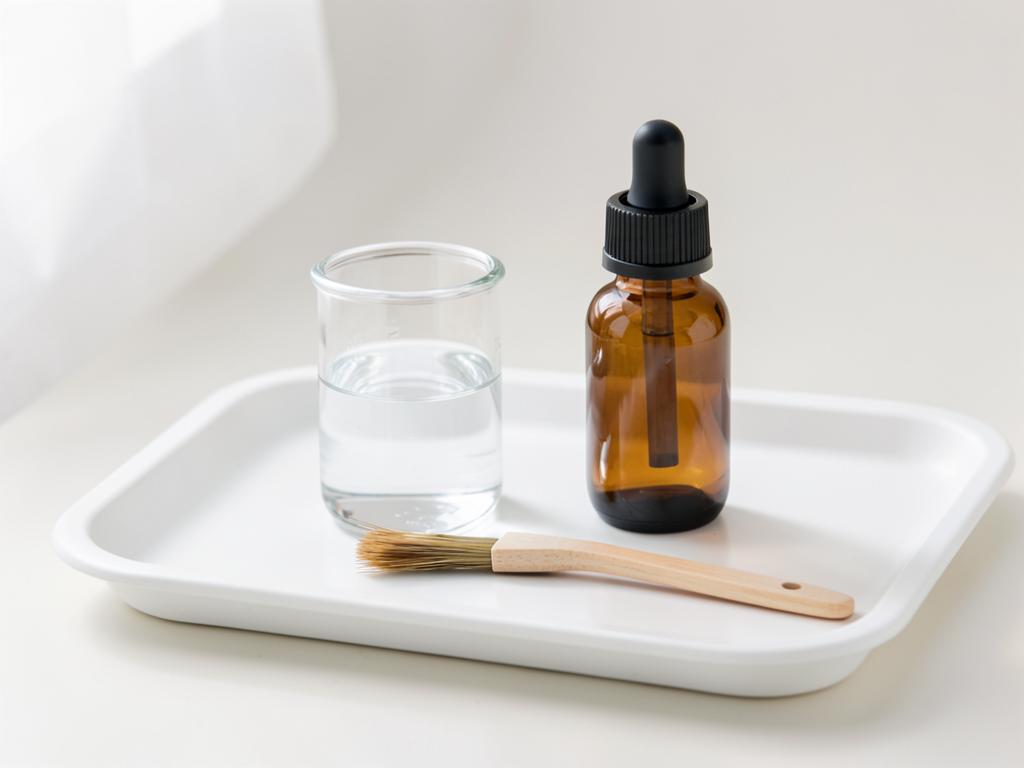
A controlled acid solution is applied by a professional to exfoliate the surface layers more deeply than a home product.
Indicative cost
£60.00–£250.00 per session
Where it's done
Clinic · Salon
How long
30–45 minutes
Intensity
Moderate
Downtime
From none for superficial peels to a week of flaking and redness for deeper ones.
Typical course
Superficial peels are often done in a course of 4-6, spaced 2-4 weeks apart.
Total course cost
£360–£1,500 for a full course
When people notice a change
Varies
Keeping it up
Seasonal courses, usually avoiding high-sun months.
What it's used for
Used with the aim of a brighter, smoother-looking surface and clearer-looking pores.
How it works
Higher-strength acids loosen the bonds between surface skin cells so they shed more quickly, and the depth of that action is chosen by the practitioner.
What a session actually involves
The solution is applied for a timed period, with tingling or stinging, then neutralised or left to self-neutralise.
What people usually consider it for
- Texture
- Dullness
- Pigmentation
- Uneven tone
- Breakouts
- Congestion / blackheads
- Keratosis pilaris (rough bumps)
- Dark marks on the body
This reflects what the treatment is commonly used for — not a claim that it will work for you.
When it may not be suitable
- You are pregnant or breastfeeding
- You use oral retinoids
- You have an active cold sore or skin infection
- You have recent sun exposure or tanning
This list is not exhaustive. A qualified practitioner should assess you before any treatment.
Things to weigh up
- — Higher pigmentation-change risk on deeper skin tones without an experienced practitioner
- — Strict SPF afterwards
- — Stop retinoids beforehand as advised
What the evidence looks like
Superficial peels are well established for tone and texture; deeper peels carry higher risk and need medical oversight.
Questions worth asking first
Tell the practitioner about all actives, medication and any history of pigmentation change before patch testing.
Products that sit alongside it
- gentle cleanser
- barrier moisturiser
- SPF
What tends to sit alongside it
- Barrier moisturiser
- Mineral SPF
Others people compare it with
Treatments and devices are listed for information only. Nothing here is medical advice, a diagnosis, or a promise of a result. Suitability depends on your health, skin and the specific device or practitioner — always check with a qualified professional first. We don't take bookings or refer you to providers. Last reviewed 2026-09-09.