Copper Peptides (GHK-Cu): What Does the Evidence Actually Say?
Copper peptides are having a major moment in skincare. But behind the futuristic packaging and "skin regeneration" claims, what does the science actually tell us?
NOUI Collective · · 10 min read
If you have been following the skin-longevity conversation, you have probably come across GHK-Cu.
It is a copper peptide that has become one of the most talked-about ingredients in advanced skincare, with products promising everything from firmer-looking skin and fewer wrinkles to improved skin repair and collagen support.
The science behind GHK-Cu is genuinely interesting. But the marketing can sometimes run considerably faster than the evidence. So let us separate the two.
Key takeaways
- GHK-Cu is a copper-bound tripeptide with real scientific interest behind it
- Human topical studies on photoaged skin are encouraging but small in number
- Laboratory activity is not the same as a proven cosmetic result
- Formulation, stability and skin delivery matter more than the name on the bottle
- A higher price, or a bigger peptide claim, does not guarantee a better product
What exactly is GHK-Cu?
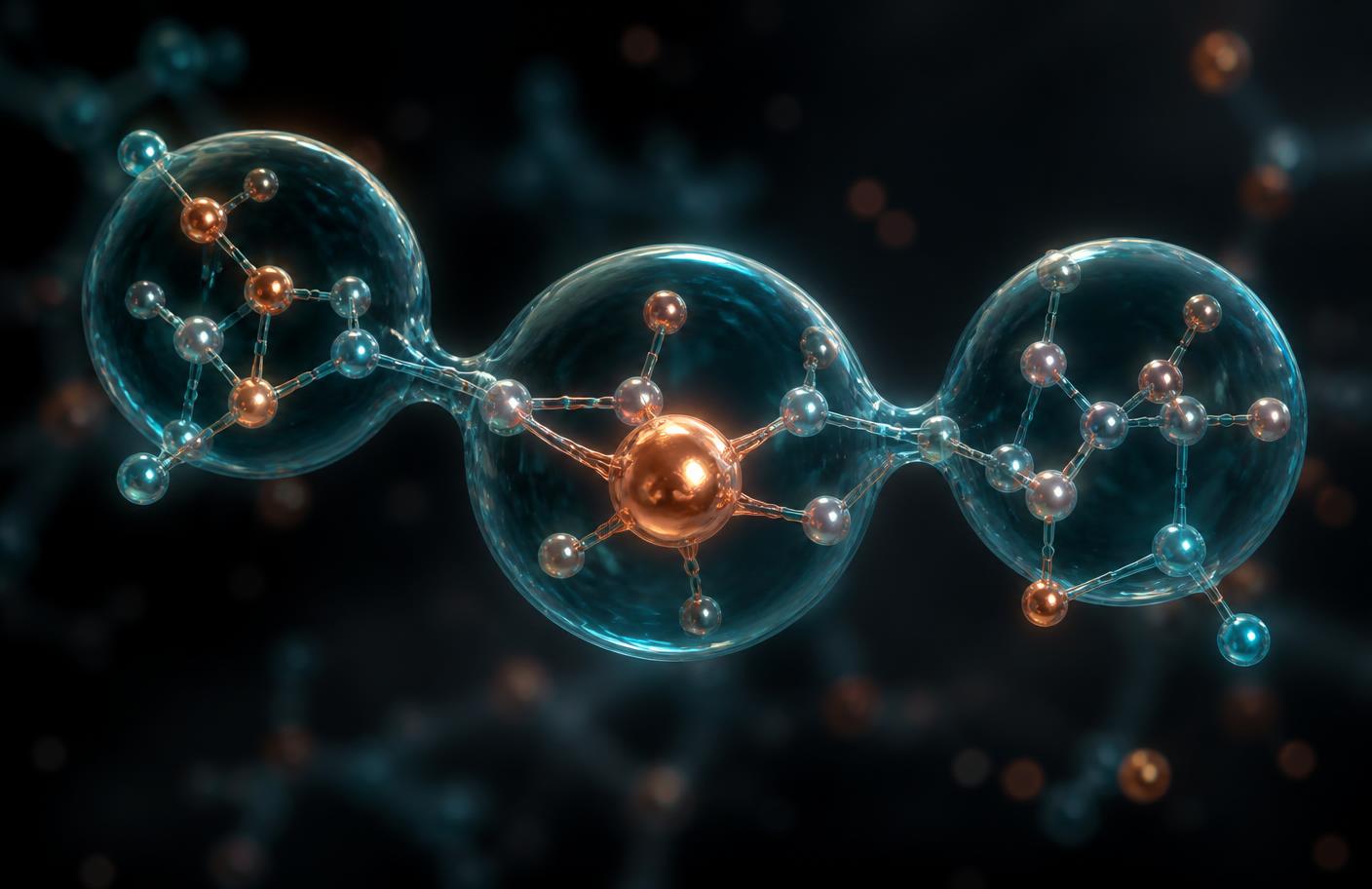
GHK-Cu stands for glycyl-L-histidyl-L-lysine copper. The GHK part is a naturally occurring tripeptide — essentially a short chain of three amino acids. It can bind to copper ions, forming the copper-peptide complex known as GHK-Cu.
The ingredient has attracted scientific interest because GHK and copper are both involved in biological processes associated with tissue repair and the extracellular matrix. Research has explored its potential effects on processes involving collagen, elastin, inflammation, wound healing and skin remodelling (review of GHK biology, PubMed Central).
But there is an important distinction. A biological mechanism is not automatically proof that a cosmetic product will produce dramatic visible results.
Why is GHK-Cu interesting for skin?
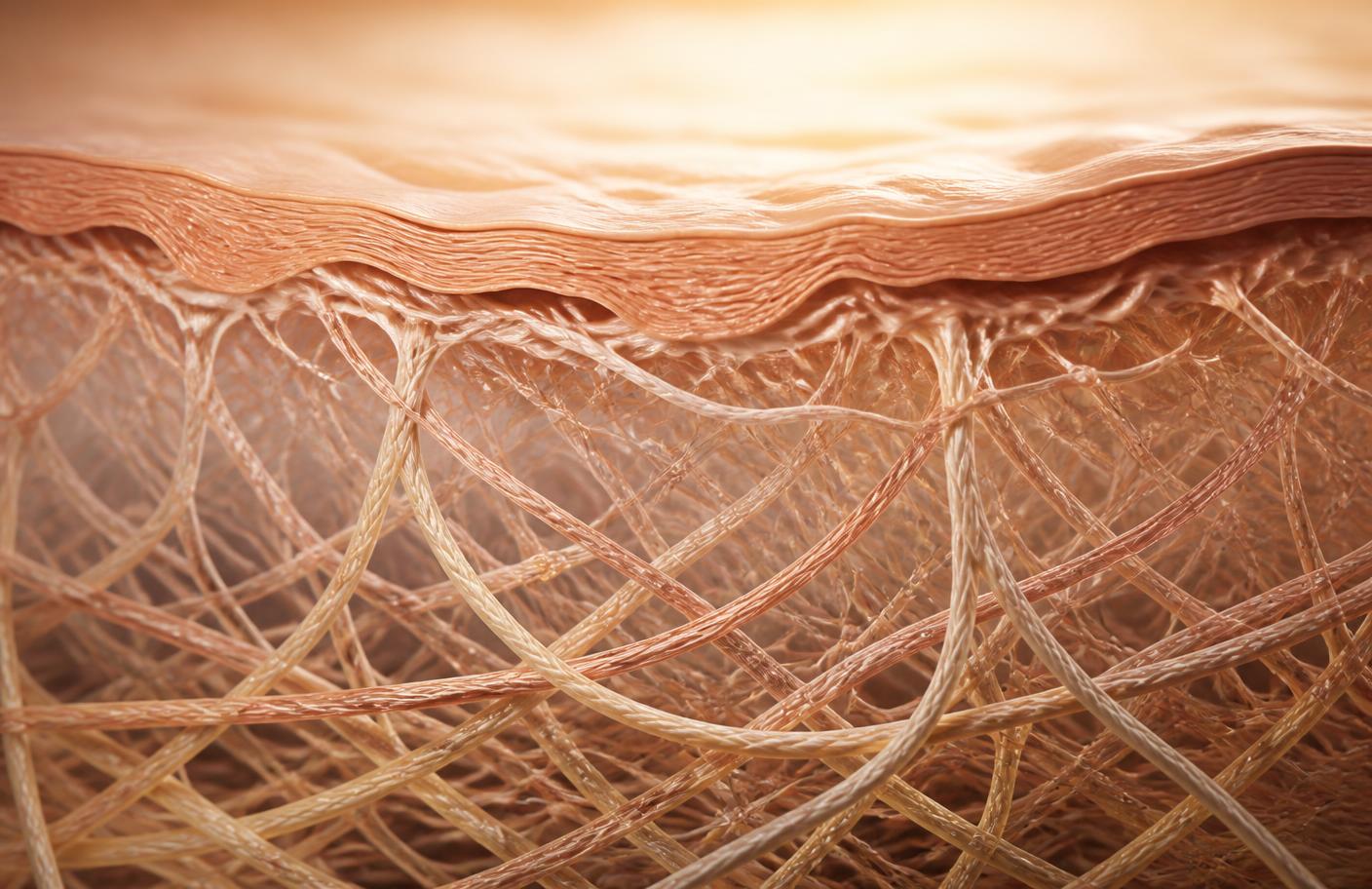
One of the reasons researchers have been interested in GHK-Cu is its relationship with the extracellular matrix — the structural environment surrounding cells.
Laboratory research has found effects associated with components such as collagen and elastin, while animal and cell studies have explored its potential role in tissue repair and regeneration (GHK peptide research review, PubMed Central).
This is one reason GHK-Cu has become associated with the broader idea of skin longevity. The theory is appealing: rather than simply covering up signs of ageing, could we support some of the biological processes involved in maintaining healthier-looking skin?
It is an exciting question. But exciting is not the same as proven. Our pillar guide sets out the wider idea in full: Skin Longevity: What Does It Actually Mean for Your Skin?.
What does the human research show?
There have been human studies investigating topical GHK-Cu formulations.
One study involving women with photoaged skin reported improvements in measures including skin density, thickness, laxity and the appearance of fine lines and wrinkles after 12 weeks of topical use (topical GHK-Cu study, PubMed Central).
Another study examined a GHK-Cu eye cream in women with photodamaged skin and reported improvements in the appearance of lines and wrinkles alongside changes in skin density and thickness (copper peptide eye cream research, PubMed Central).
These results are encouraging. But they do not mean every GHK-Cu serum currently on the market will reproduce them.
Ingredient is not the same as finished product
A clinical study might use a particular concentration, a particular formulation, a specific delivery system, a defined application schedule and a controlled study population.
A commercial serum may use a completely different formulation. So you cannot automatically take the result of one study and apply it to every product containing "copper peptide".
What about collagen?
This is one of the biggest claims you will see.
Some laboratory research has found that GHK-Cu can influence processes associated with collagen and other extracellular-matrix components (extracellular matrix research, PubMed Central). There are also human studies that have reported changes in skin measures associated with collagen and skin structure.
But the phrase "GHK-Cu stimulates collagen" is much easier to market than it is to interpret.
The more useful question is whether a particular topical formulation produces a meaningful improvement in the appearance and quality of human skin.
That is what consumers ultimately care about. And the evidence base for modern commercial formulations remains much smaller than the marketing surrounding the ingredient might suggest.
The biggest problem: getting the ingredient where it needs to go
Skin is an incredibly effective barrier. That is useful, because it protects us from the outside world. But it is also a challenge for skincare ingredients.
GHK-Cu is relatively hydrophilic, and research has highlighted difficulties associated with getting peptide ingredients through the outer skin barrier in sufficient quantities (peptide skin permeability review, PubMed Central).
This means formulation matters enormously. Two products can both say "contains GHK-Cu" while potentially behaving very differently on the skin. It is one reason we do not think you should judge a product purely by the ingredient printed on the front of the bottle.
Does a higher concentration mean better results?
Not necessarily. Cosmetic formulations do not work quite that simply. The final performance of a product can depend on:
- ingredient stability
- concentration
- pH
- delivery system
- supporting ingredients
- packaging
- skin penetration
- how the product is used
- individual skin characteristics
And with peptides, formulation and stability can be particularly important. So if a brand tells you its serum contains ten times more copper peptide, that does not automatically mean the serum is ten times better.
Products worth exploring
From the NOUI catalogue, matched to what this guide covers. Prices come from our live retailer comparison.
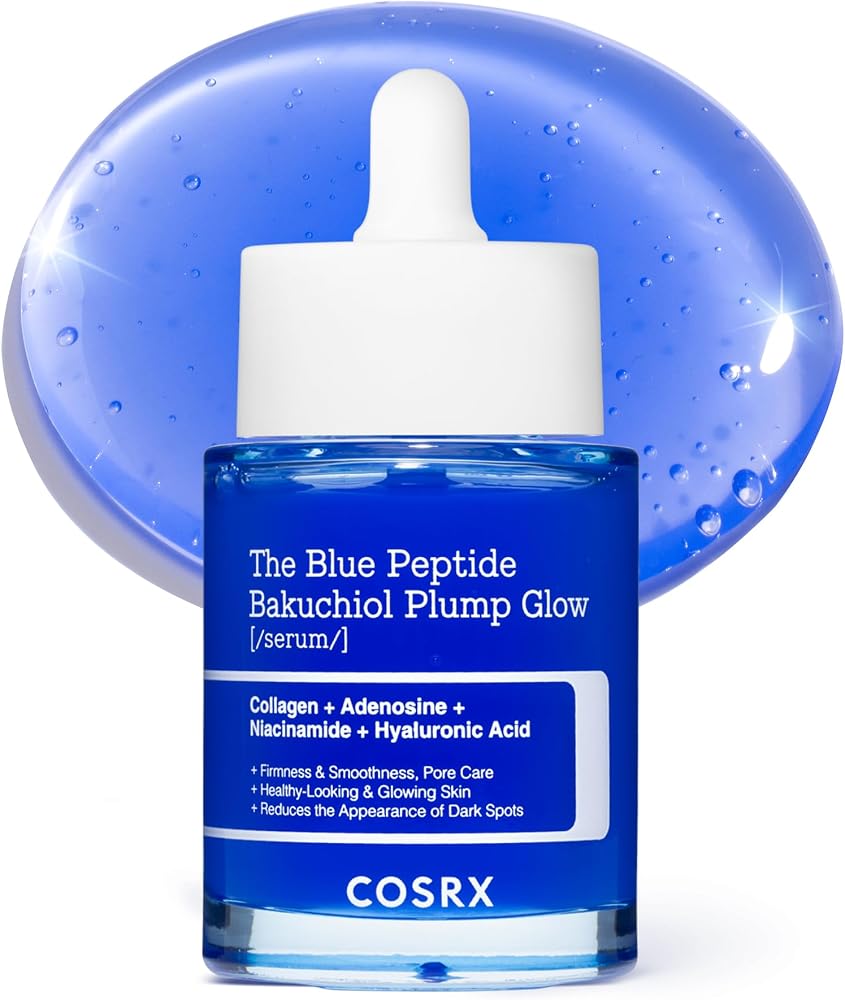
COSRX
The Blue Copper Peptide Bakuchiol Serum
50ml
Targets fine lines and visible signs of ageing · formulated with peptides

The Ordinary
Retinol 0.2% in Squalane
30ml
Targets fine lines and visible signs of ageing · formulated with retinol
How does GHK-Cu compare with other peptides?
GHK-Cu is not the only peptide used in skincare. There are also signal peptides, carrier peptides, palmitoylated peptides, neurotransmitter-inhibiting peptides and other peptide complexes.
Some are primarily marketed around collagen and skin structure. Others are used for different cosmetic purposes. So "peptide skincare" is not really one category — it is a large family of ingredients with different structures, mechanisms and evidence. We unpack the whole family here: Peptides in Skincare: What Do They Actually Do?.
Is GHK-Cu better than retinol?
We would not frame it that way. Retinoids have a much more established evidence base for photoageing than many newer cosmetic peptide formulations.
GHK-Cu may be interesting as another tool within a broader skincare routine, but there is not good reason to declare it a universal replacement for retinoids. The more useful question is whether they could have complementary roles. Potentially — but the right routine depends on your skin, tolerance and goals.
If the marketing language around this is confusing, Skin Longevity vs Anti-Ageing: What's the Difference? untangles the two approaches.
Can you use GHK-Cu with other skincare?
GHK-Cu is often found in routines alongside ingredients such as hyaluronic acid, ceramides, antioxidants, moisturisers and other peptides.
However, online skincare advice around ingredient "conflicts" can become exaggerated. Rather than following rigid internet rules, look at the specific manufacturer's instructions and the formulation itself, and introduce new actives gradually.
If you change several products simultaneously, it becomes difficult to identify what is helping — or what is irritating your skin.
What about GHK-Cu injections?
Topical cosmetic GHK-Cu is not the same thing as injectable GHK-Cu. They are different routes of administration with very different considerations. Research and safety discussion surrounding compounded or injectable peptide use should not be used to justify claims about an ordinary topical cosmetic serum. NOUI covers topical skincare only. If you are considering injectable peptides or medical or aesthetic treatment, that is a conversation for an appropriately qualified healthcare professional.
So does GHK-Cu actually work?
The promising part
There is legitimate scientific interest in GHK-Cu.
Laboratory and preclinical research suggests biological activity relevant to tissue repair, extracellular-matrix processes and skin ageing.
There are also human topical studies reporting improvements in some measures of photoaged skin.
The less certain part
The evidence is not strong enough to conclude that every modern GHK-Cu skincare product will produce dramatic anti-ageing or regenerative effects.
Recent reviews continue to highlight gaps around clinical evidence, standardisation, formulation and skin delivery.
GHK-Cu is interesting. It is not magic. And that is a far more useful conclusion than either extreme.
What should you look for when buying a copper peptide product?
Do not just look for the biggest GHK-Cu claim on the front.
1. The actual ingredient list
What exactly is included? Is it GHK-Cu itself, or another copper-containing or peptide complex?
2. The formulation
What other ingredients are being used? Does the product appear designed around stability and skin compatibility?
3. The brand's evidence
Does the brand provide meaningful information about its formulation, or is the marketing mostly broad claims about peptides?
4. The price
A £150 serum is not automatically better than a £30 one. This is exactly where product comparison becomes valuable.
5. Your skin
The best ingredient on paper is not necessarily the best ingredient for you. If your barrier is irritated, adding another active may not be the answer.
The NOUI approach
We do not want to tell you to buy something because social media says it is the next big thing. We want to help you answer: what is it, what evidence exists, what does the formulation contain, is it suitable for my goals, is there a cheaper alternative, and where can I buy it for the best price?
That is the difference between beauty marketing and beauty intelligence.
NOUI verdict
- Scientific interest
- High
- Evidence for topical skincare
- Promising, still limited
- Worth paying a premium?
- Not automatically
- Miracle ingredient?
- No
- Worth watching?
- Absolutely
GHK-Cu is one of the more interesting ingredients in the current skin-longevity movement. But if you are considering a copper peptide serum, do not buy the hype — buy the evidence, and compare the formulation and the price before you buy the bottle.
Coming next
Retinol vs Peptides: Which Is Better?
The next guide in the Skin Longevity Edit compares two very different evidence bases, and where each one earns its place in a routine.
This article is for general information and is not medical advice. Cosmetic ingredients can affect individuals differently. Always follow product instructions and consult an appropriately qualified healthcare professional for medical or aesthetic treatment advice.
From the NOUI catalogue
Explore relevant products
Matched to what this guide covers. Prices come from our live retailer comparison, not from this article.
COSRX
The Blue Copper Peptide Bakuchiol Serum
50ml
Targets fine lines and visible signs of ageing · formulated with peptides
The Ordinary
Retinol 0.2% in Squalane
30ml
Targets fine lines and visible signs of ageing · formulated with retinol

COSRX
The Retinol 0.1 Cream
20ml
Targets fine lines and visible signs of ageing · formulated with retinol
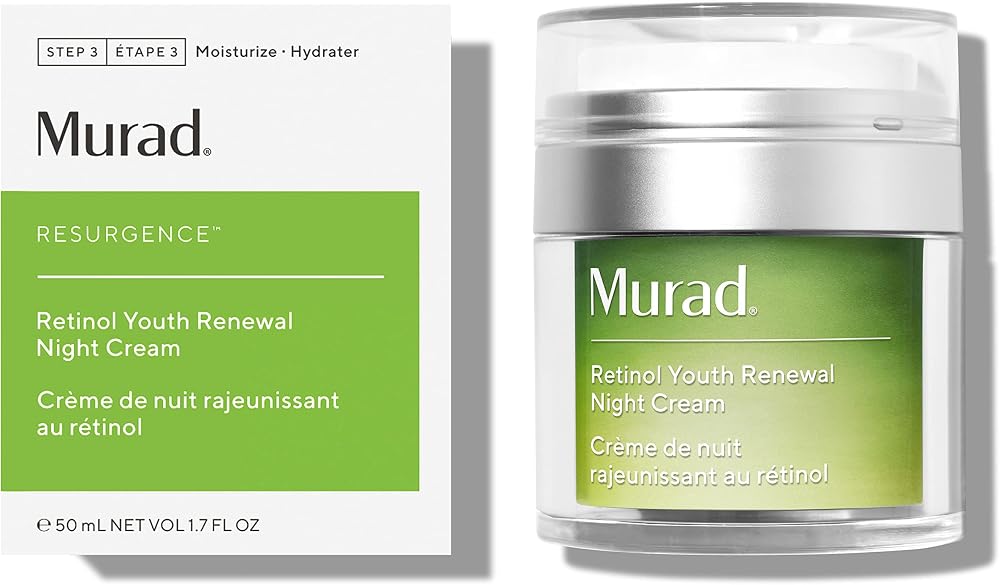
Murad
Retinol Youth Renewal Night Cream
50ml
Targets fine lines and visible signs of ageing · formulated with peptides and retinol

CeraVe
Resurfacing Retinol Serum
30ml
Targets fine lines and visible signs of ageing · formulated with retinol

La Roche-Posay
Retinol B3 Serum
30ml
Targets fine lines and visible signs of ageing · formulated with retinol
Keep exploring
Treatments and rituals to read next
- Microneedling (collagen induction)
A device passes very fine needles through the skin at a controlled depth to create tiny channels.
- RF microneedling
Microneedling combined with radiofrequency energy delivered from the needle tips into the deeper skin.
- Professional chemical peel
A controlled acid solution is applied by a professional to exfoliate the surface layers more deeply than a home product.
More from this NOUI Edit
Skin Longevity
The shift from reversing ageing to protecting skin health
Skin Longevity: What Does It Actually Mean for Your Skin?
Skin longevity is one of beauty's biggest shifts in 2026. But is it just a new name for anti-ageing — or is there more to it?
· 8 min read
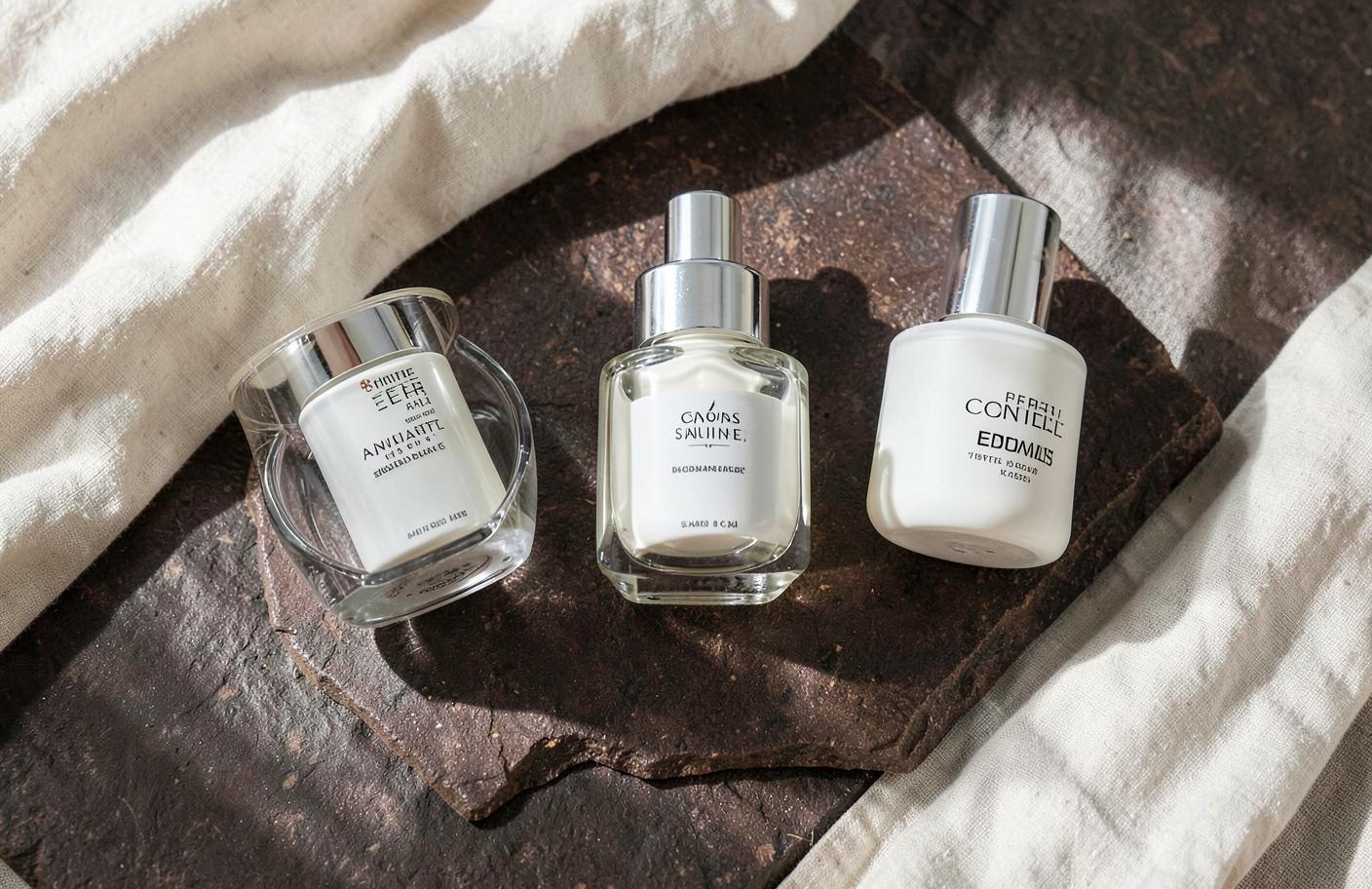
The Best Skin Longevity Products: NOUI’s Evidence-Led Edit
The skincare industry doesn’t have a shortage of products promising younger-looking skin. But which ones actually deserve a place in a skin-longevity routine?
· 12 min read
Skin Barrier vs Skin Longevity: Why Your Skin Barrier Matters More Than You Think
Before you add another anti-ageing serum to your routine, you might want to ask a more basic question: is your skin barrier actually healthy?
· 10 min read
Snail Mucin: Slime or Skincare Staple?
It sounds strange and it photographs worse. Snail mucin is also one of the better-studied hydrating ingredients to come out of K-beauty — here is what is actually in it, who it suits, and where it goes in a routine.
· 6 min read
You may also like
Skin Longevity: What Does It Actually Mean for Your Skin?
Skin longevity is one of beauty's biggest shifts in 2026. But is it just a new name for anti-ageing — or is there more to it?
· 8 min read
Peptides in Skincare: What Do They Actually Do?
Peptides are everywhere in skincare right now. But what are they actually doing for your skin — and are they worth paying more for?
· 9 min read
Skin Longevity vs Anti-Ageing: What's the Difference?
Anti-ageing skincare has been around for decades. So why is everyone suddenly talking about skin longevity — and is it actually different?
· 8 min read
Can Peptides Really Stimulate Collagen? What the Science Says
Peptides are sold on the promise of collagen. Here is what laboratory and human research actually shows, where the evidence is still thin, and how to read a peptide claim without being sold a story.
· 9 min read
Retinol vs Peptides: Which Is Better for Your Skin?
Two of the biggest names in modern anti-ageing skincare — but should you choose retinol or peptides? We compare the evidence, the irritation risk and whether you need both.
· 10 min read
The Best Skin Longevity Products: NOUI’s Evidence-Led Edit
The skincare industry doesn’t have a shortage of products promising younger-looking skin. But which ones actually deserve a place in a skin-longevity routine?
· 12 min read
Brands in this piece