Sleep and Skin Barrier Repair: Why Rest Is Part of Your Routine
Barrier repair runs overnight. What sleep research supports for skin, and how to make the hours you already have count for more.
Noui Collective · · 7 min read
Of all the free interventions in skincare, sleep has the best mechanistic case. Transepidermal water loss, skin temperature and repair activity all follow a daily rhythm, and the repair end of that rhythm happens while you are asleep.
What the research supports
- Skin barrier recovery after a controlled disruption is measurably slower in people who are sleep-deprived.
- Poor sleepers show more transepidermal water loss and rate their own skin as looking worse — and so do independent observers.
- Sleep restriction increases inflammatory signalling, which matters for acne, eczema and rosacea.
- Wound healing slows with sleep deprivation, which is the same repair machinery skincare relies on.
None of this requires eight perfect hours. Consistency of timing appears to matter as much as duration.
What it does not mean
Night creams are not more effective because of some special nocturnal absorption; they are richer because you are not wearing makeup or going outside. And nothing you apply compensates for months of four-hour nights.
Products worth exploring
From the Noui catalogue, matched to what this guide covers. Prices come from our live retailer comparison.

The Ordinary
Retinol 0.2% in Squalane
30ml
Targets compromised barrier and dryness · formulated with squalane and retinol

COSRX
The Retinol 0.1 Cream
20ml
Targets visible signs of ageing and fine lines · formulated with retinol
Making the hours count
- Keep the timing regular, including weekends. The rhythm is the point.
- Get morning daylight within an hour of waking. It sets the clock that determines when you feel sleepy.
- Cool, dark room. Skin temperature regulation is part of falling asleep.
- Caffeine curfew eight hours before bed, alcohol two to three hours, and expect alcohol to fragment the second half of the night.
- Apply a barrier-supporting moisturiser before bed — ceramides, fatty acids, an occlusive if your skin is dry. That is the step sleep amplifies.
- Clean pillowcase, twice a week, if you are breakout-prone. Modest, but free.
Noui explainer
The order that helps most
Fix timing before you fix duration. Going to bed and waking within the same hour daily produces more visible change than adding thirty minutes at random.
Where it sits in a longevity routine
Sleep belongs alongside SPF and a tolerated retinoid rather than below them. Skin that repairs efficiently reacts less, recovers from procedures faster and tolerates actives better — the whole premise of the Skin Longevity Edit.
General wellbeing information only. Persistent insomnia, snoring with daytime exhaustion or suspected sleep apnoea should be assessed medically.
Noui's verdict
- The most underrated step in any routine, and free. Regular timing, a cool dark room, and a barrier moisturiser before bed.
From the Noui catalogue
Explore relevant products
Matched to what this guide covers. Prices come from our live retailer comparison, not from this article.
The Ordinary
Retinol 0.2% in Squalane
30ml
Targets compromised barrier and dryness · formulated with squalane and retinol
COSRX
The Retinol 0.1 Cream
20ml
Targets visible signs of ageing and fine lines · formulated with retinol
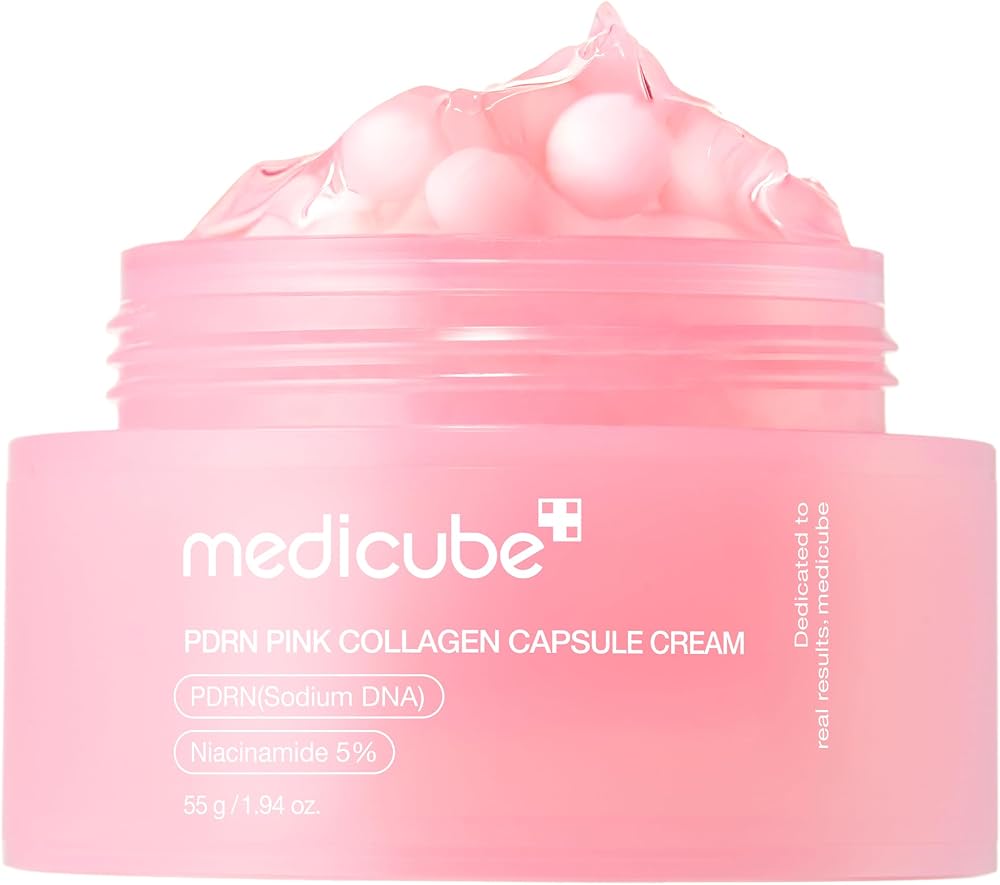
Medicube
Capsule Cream with Salmon DNA PDRN Pink Collagen
55ml · 4.4★ (1,800)
Targets dehydration and fine lines · formulated with niacinamide

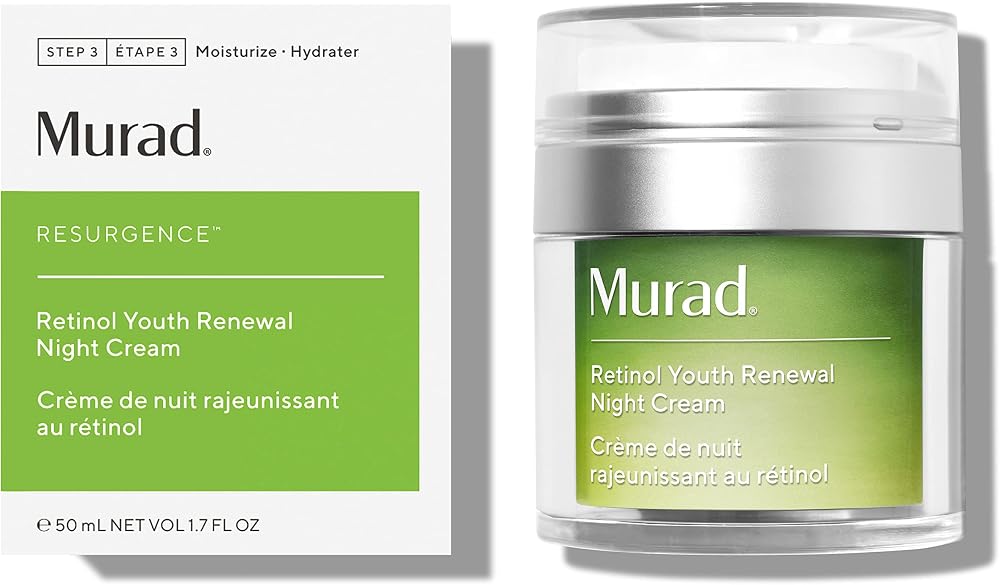
Murad
Retinol Youth Renewal Night Cream
50ml
Targets visible signs of ageing and fine lines · formulated with peptides and retinol

Anua
PDRN Hyaluronic Acid 100 Moisturizing Cream
60ml · 4.5★ (900)
Targets compromised barrier and dehydration · formulated with panthenol
Keep exploring
Treatments and rituals to read next
- Injectable skin boosters
A prescriber places small injections of stabilised hyaluronic acid across an area of skin. This is a medical procedure, not a facial.
- LED light therapy (in clinic)
Sessions under a professional LED panel using red, blue or near-infrared wavelengths, often added to a facial.
- Microneedling (collagen induction)
A device passes very fine needles through the skin at a controlled depth to create tiny channels.
More from this Noui Edit
Skin Longevity
The shift from reversing ageing to protecting skin health
Skin Longevity: What Does It Actually Mean for Your Skin?
Skin longevity is one of beauty's biggest shifts in 2026. But is it just a new name for anti-ageing — or is there more to it?
· 8 min read
Skincare for Rosacea-Prone Skin: What Helps, What Hurts
Rosacea is a medical condition, and treating it is a job for a clinician. Your routine still matters. Here is what the evidence supports for skin that flushes, stings and reacts.
· 8 min read
Cortisol Face: What's Real and What's Exaggerated
Stress does affect skin. "Cortisol face" as a diagnosis you can spot in a selfie is a social-media invention. Here is the line between the two.
· 7 min read
The Gut-Skin Axis, Fact-Checked
The gut and skin do communicate. That does not mean your breakouts are a leaky gut, or that a probiotic is a skincare step.
· 8 min read
You may also like
Cortisol Face: What's Real and What's Exaggerated
Stress does affect skin. "Cortisol face" as a diagnosis you can spot in a selfie is a social-media invention. Here is the line between the two.
· 7 min read
The Gut-Skin Axis, Fact-Checked
The gut and skin do communicate. That does not mean your breakouts are a leaky gut, or that a probiotic is a skincare step.
· 8 min read
Skin Longevity: What Does It Actually Mean for Your Skin?
Skin longevity is one of beauty's biggest shifts in 2026. But is it just a new name for anti-ageing — or is there more to it?
· 8 min read
Skin Longevity vs Anti-Ageing: What's the Difference?
Anti-ageing skincare has been around for decades. So why is everyone suddenly talking about skin longevity — and is it actually different?
· 8 min read
Retinol vs Peptides: Which Is Better for Your Skin?
Two of the biggest names in modern anti-ageing skincare — but should you choose retinol or peptides? We compare the evidence, the irritation risk and whether you need both.
· 10 min read
Can Peptides Really Stimulate Collagen? What the Science Says
Peptides are sold on the promise of collagen. Here is what laboratory and human research actually shows, where the evidence is still thin, and how to read a peptide claim without being sold a story.
· 9 min read