Touch and Texture: The Most Overlooked Sense in Wellness
Touch has a documented calming effect on mood and pain — and it is the sense most wellness routines ignore. Here is how to bring it back in.
NOUI Collective · · 7 min read
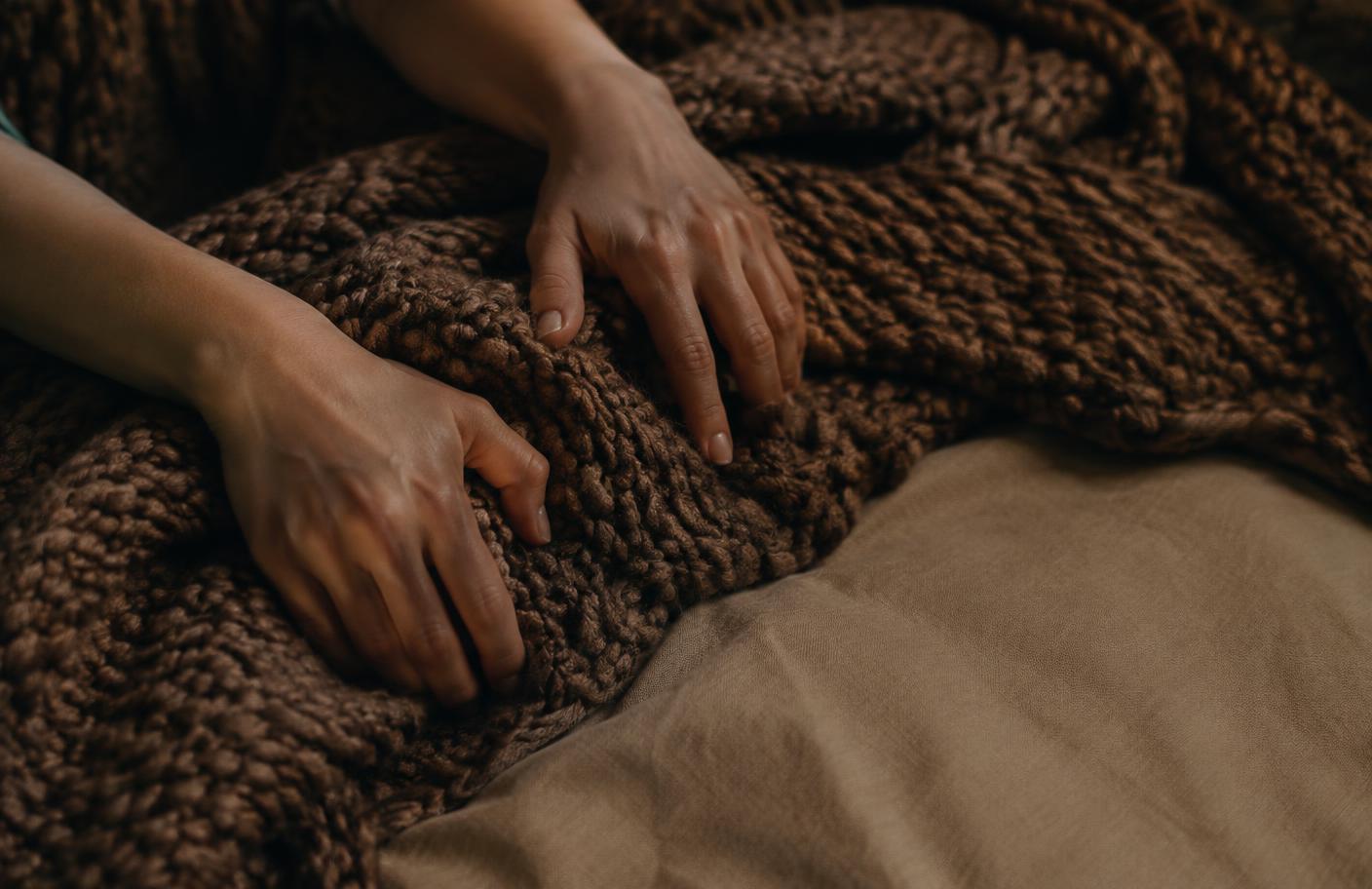
Wellness routines are full of things to look at, smell and listen to. Touch barely features, despite being the sense with some of the strongest research behind it. Firm, predictable contact with the skin — massage, pressure, warmth — has been studied more thoroughly than most sensory interventions, and it comes out well.
What the evidence shows
The largest synthesis to date is a systematic review and multivariate meta-analysis of touch interventions published in *Nature Human Behaviour* in 2024, covering around 137 studies and roughly 13,000 people. It found that touch interventions produced meaningful benefits for physical and mental health outcomes, including pain, depression and anxiety, in both adults and newborns.
On hormones, the picture is more interesting than the headlines. Touch Research Institute reviews have reported average cortisol decreases of around 31% across massage studies, alongside increases in serotonin and dopamine. But a more conservative quantitative review of massage therapy research concluded that the effect on cortisol specifically was small and often not statistically significant, even while benefits for anxiety, depression and pain remained well supported.
The honest reading: touch helps, and cortisol is probably not the whole reason why.
The NOUI evidence ladder
Evidence becomes more meaningful as you climb — laboratory findings are interesting, replicated human results are convincing.
Why texture and pressure matter
Two features of touch seem to do most of the work.
Pressure. Firm, broad contact is more settling than light, unpredictable contact. This is why a deep-pressure hug, a firm massage or the weight of a heavy blanket feels different from a fleeting brush against the skin.
Predictability. Touch you control, or can anticipate, is calming. Touch that surprises you is alerting. That distinction matters more than any material.
Texture works as a grounding tool for the same reason: giving attention something specific and physical — the ribs of a knit, the weight of a stone, warm water on the hands — interrupts a spiralling train of thought without requiring you to talk yourself out of it.
General wellbeing information, not medical advice. Skip firm pressure over injuries, inflamed skin, varicose veins or recent surgical sites. Weighted blankets are not suitable for young children or anyone with breathing, circulatory or mobility difficulties. If you have a pain condition, ask a physiotherapist or doctor what pressure is appropriate.
Products worth exploring
From the NOUI catalogue, matched to what this guide covers. Prices come from our live retailer comparison.


CurrentBody
CurrentBody Skin LED Light Therapy Mask Series 2
Targets visible signs of ageing and breakouts
Bringing touch back into a routine
- Warm water, deliberately. A hot shower is already in your day. Two minutes of attention on the sensation, rather than a mental to-do list, is a touch practice. Showering in the dark removes visual input at the same time.
- Weight. A heavier throw or blanket over the legs while reading gives broad, constant pressure, and most people find it settling.
- Self-massage. Abhyanga self-massage with a plain oil is a long-standing evening practice, and facial lymphatic drainage or gua sha give firm, slow contact around the face and jaw.
- Scalp work. Scalp massage is the most efficient tactile ritual most people can add, because it pairs pressure with a scent if you use an oil — and it doubles as scalp care. That combination is why it appears in the scalp health guide as well as here.
- Tension points. Acupressure for tension gives you something to do with your hands during a stressful call.
None of these need equipment. If you want to build one into a proper ritual with scent, scent-led wellness rituals covers the pairing, and sensory wellness sets out how touch fits with the other senses.
Coming next
Pair touch with scent
The combination is stronger than either alone. [Scent-led rituals](/blog/scent-led-wellness-rituals) · [Scalp health guide](/blog/scalp-health-guide)
Frequently asked questions
Why is touch calming?
Firm, predictable pressure on the skin is consistently associated with lower self-reported anxiety and pain, and with a subjective sense of being settled. The precise mechanism is debated — hormonal explanations are less clear-cut than often claimed — but the outcome is one of the better-supported findings in sensory research.
Does massage lower cortisol?
Possibly, but less reliably than popular summaries suggest. One influential review reported an average 31% decrease; a more conservative meta-analysis found the effect small and often not statistically significant. Massage's benefits for anxiety, mood and pain hold up regardless.
Do weighted blankets work?
Many people find the broad, constant pressure settling, particularly for winding down, and small trials support improvements in perceived anxiety and sleep. They are not suitable for young children or anyone with breathing, circulatory or mobility difficulties.
How much touch is enough?
Short and regular beats long and occasional. Two to five minutes of firm self-massage, or a few minutes of deliberate attention to warm water, is enough to notice a difference for most people.
From the NOUI catalogue
Explore relevant products
Matched to what this guide covers. Prices come from our live retailer comparison, not from this article.
CurrentBody
CurrentBody Skin LED Light Therapy Mask Series 2
Targets visible signs of ageing and breakouts



Keep exploring
Treatments and rituals to read next
- Reflexology
A structured pressure massage of the feet, and sometimes hands and ears, based on the traditional idea that areas of the foot map to the body.
- LED light therapy (in clinic)
Sessions under a professional LED panel using red, blue or near-infrared wavelengths, often added to a facial.
- At-home LED mask
A wearable mask or panel that delivers lower-intensity LED light in short sessions at home.
More from this NOUI Edit
Sensory Wellness
Scent, sound, touch and sight as pathways into the nervous system
Sensory Wellness: The Complete Guide to Calming Your Nervous System Through Scent, Sound, Touch and Sight
What sensory wellness actually is, the evidence behind it, and how to build a routine around scent, sound, touch and sight — without adding more to your day.
· 9 min read
Sensory Resets for High-Stress Days (When You Don't Have 20 Minutes)
Fast, sensory-based ways to interrupt a stress spiral when a full routine is not realistic.
· 6 min read

Sensory Overload vs Sensory Deprivation: Finding Your Balance
More sensory input is not always calming — sometimes it is the opposite. How to tell which side of the line you are on.
· 7 min read
A Sensory Evening Routine for Genuine Wind-Down
The evening version of sensory wellness — dimming light, lowering sound, and using scent and touch to actually downshift before bed.
· 6 min read
You may also like
Sensory Wellness: The Complete Guide to Calming Your Nervous System Through Scent, Sound, Touch and Sight
What sensory wellness actually is, the evidence behind it, and how to build a routine around scent, sound, touch and sight — without adding more to your day.
· 9 min read
The Ultimate Guide to Scalp Health: Why It's the Foundation of Great Hair
The scalp is skin — and healthy hair grows out of healthy skin. The complete NOUI guide to the microbiome, the barrier, buildup and building a routine that suits your hair.
· 9 min read
A Sensory Evening Routine for Genuine Wind-Down
The evening version of sensory wellness — dimming light, lowering sound, and using scent and touch to actually downshift before bed.
· 6 min read
The Science of Scent and Mood: How Aromatherapy Actually Affects the Brain
Scent takes a more direct route to the brain's emotional centre than any other sense. Here is the actual mechanism behind it — and what it means for your routine.
· 7 min read
Sensory Resets for High-Stress Days (When You Don't Have 20 Minutes)
Fast, sensory-based ways to interrupt a stress spiral when a full routine is not realistic.
· 6 min read
Sensory Overload vs Sensory Deprivation: Finding Your Balance
More sensory input is not always calming — sometimes it is the opposite. How to tell which side of the line you are on.
· 7 min read