Sensory Resets for High-Stress Days (When You Don't Have 20 Minutes)
Fast, sensory-based ways to interrupt a stress spiral when a full routine is not realistic.
NOUI Collective · · 6 min read
A wellness practice that only works on calm days is not much of a practice. The days you most need a reset are the ones with no gap in them — back-to-back calls, a delayed train, a difficult conversation still running in your head.
So the useful question is not what an ideal routine looks like. It is what the shortest version is, and whether you can do it in a corridor.
Why short versions work at all
Most fast resets do the same two things: they give attention a specific physical target, and they slow the breath. Both interrupt the loop in which stress produces faster breathing, which produces more stress signals. None of this stops a stressful situation. What it does is stop the escalation long enough to think, which is usually the difference that matters.
Key takeaways
- Aim for interruption, not calm. Ninety seconds is enough to break an escalation.
- The exhale is the active part — longer out than in.
- Choose one reset per sense so you always have an option available.
Four resets, one per sense
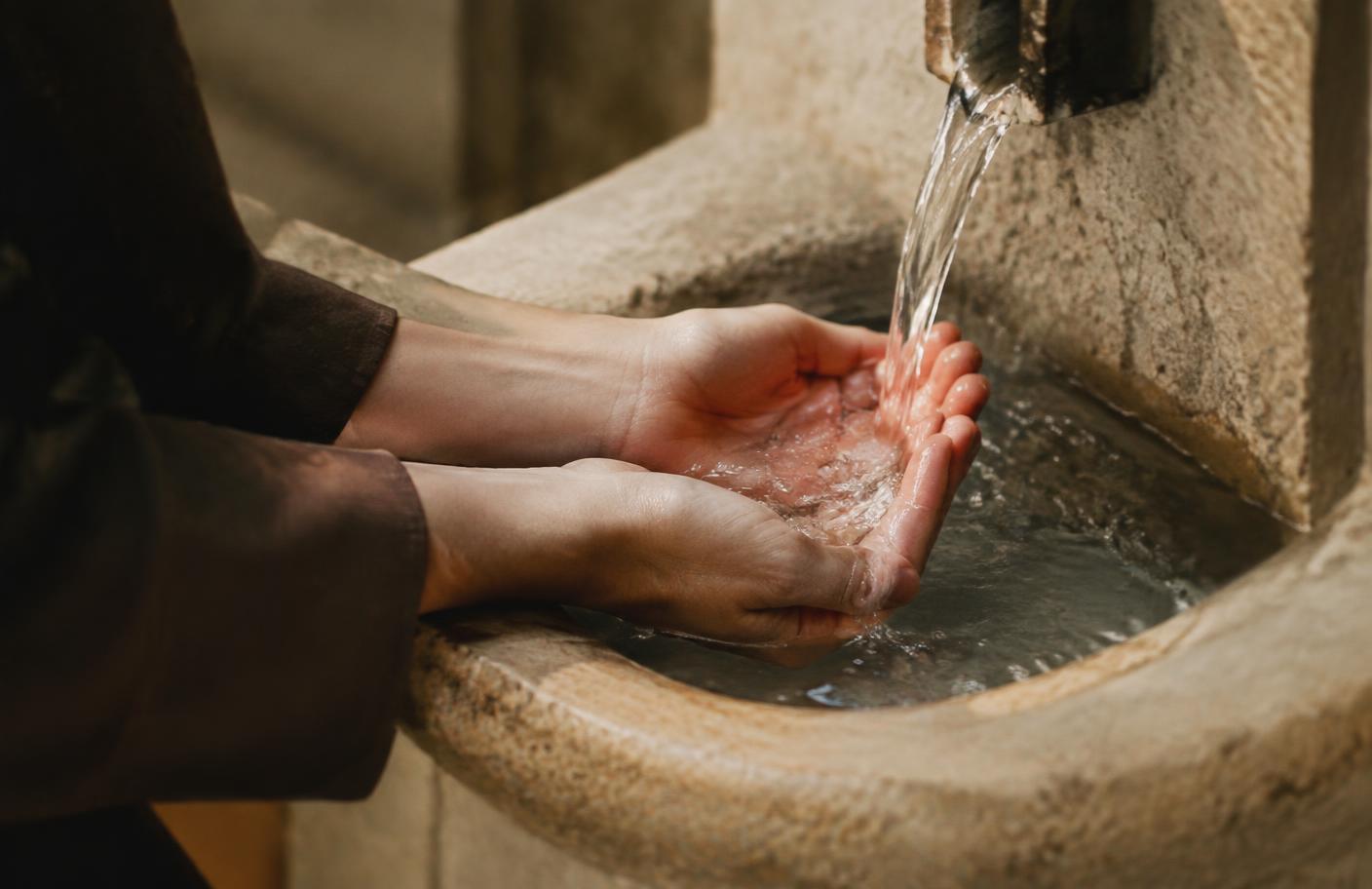
Touch — cold water on the wrists or face (30 seconds). Cold on the skin is an abrupt, unambiguous physical signal, and it is available in any bathroom. If cold is unpleasant, firm pressure works instead: press your palms together hard for ten seconds, release, repeat three times. Acupressure for tension is a quiet version for a desk.
Sound — one slow track, or none (2 minutes). Put on something slow and familiar, or remove sound entirely: headphones on, nothing playing. In a noisy space, removing sound is often the faster win. Sound and the nervous system explains why tempo and predictability matter here.
Sight — long distance and dim (60 seconds). Look at something more than six metres away, ideally out of a window, and stop looking at a screen. If the room is bright and hard, turn a light off. Attention resets more readily when the visual field changes.
Breath and scent — the extended exhale (90 seconds). Breathe in through the nose for four, out for six to eight, six times. If you have an anchored scent to hand, use it — the association does some of the work. Extended exhale breathing and the three-minute breathing space are the fuller versions, and box breathing suits people who prefer counting a square.
Products worth exploring
From the NOUI catalogue, matched to what this guide covers. Prices come from our live retailer comparison.


Choosing which one
- Agitated, heart racing: extended exhale, then cold water.
- Wired but stuck at a desk: long-distance gaze, then firm pressure in the hands.
- Overloaded by noise and people: remove input first — headphones with nothing playing, dimmer room, no scent. See overload versus deprivation.
- Flat and foggy: step outside for daylight and movement instead. Under-stimulation needs adding, not reducing.
General wellbeing information, not medical advice. Cold water on the face can slow heart rate noticeably; avoid it if you have a heart condition unless a clinician has said it is fine. If panic, chest pain or breathlessness are severe, new or unexplained, seek medical help rather than a breathing exercise.
Making it available when you need it
Pick two of the four and decide now which ones they are. In the middle of a stressful hour, nobody browses a list of techniques — the reset you will actually use is the one you have already chosen and practised on an ordinary day. The practice library lists each of these with its evidence and caveats, and the wellbeing analysis suggests which fit your current stress and sleep pattern.
For the fuller versions once life allows them, sensory wellness sets out the morning and evening shapes.
Coming next
Know your own baseline
Whether to add or remove input depends on the day. [Overload vs deprivation](/blog/sensory-overload-vs-deprivation) · [The full guide](/blog/sensory-wellness-complete-guide)
Frequently asked questions
What is the fastest way to calm down?
A longer exhale than inhale, repeated for around ninety seconds, is the fastest reliable option, and cold water on the face or wrists works as an abrupt physical interrupt. Neither removes the stressor; both reduce escalation.
Does the 90-second rule for emotions hold up?
The popular claim that an emotion passes in ninety seconds is an oversimplification, but the practical point is sound: a stress surge tends to peak and begin to settle within a couple of minutes if it is not continuously refuelled by thought or input.
Can I do these at work without anyone noticing?
Yes. Slow exhales, pressing the palms together, looking out of a window, and putting headphones on without playing anything are all invisible in an office.
What if none of them work?
On a day where nothing lands, the issue is usually accumulated load rather than technique. Reduce input where you can, lower expectations for the evening, and treat sleep as the priority. Persistent, unmanageable stress is worth raising with a GP.
From the NOUI catalogue
Explore relevant products
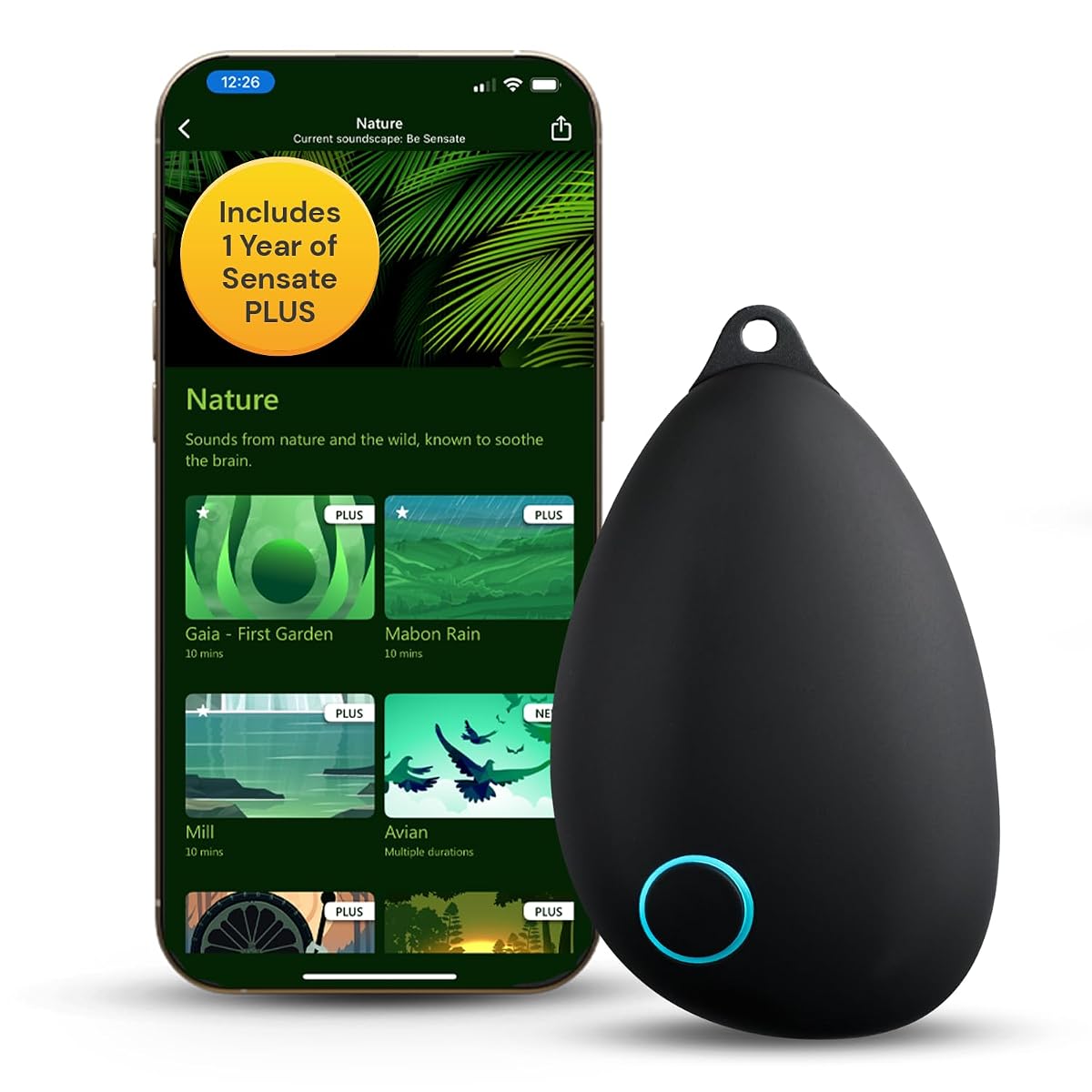
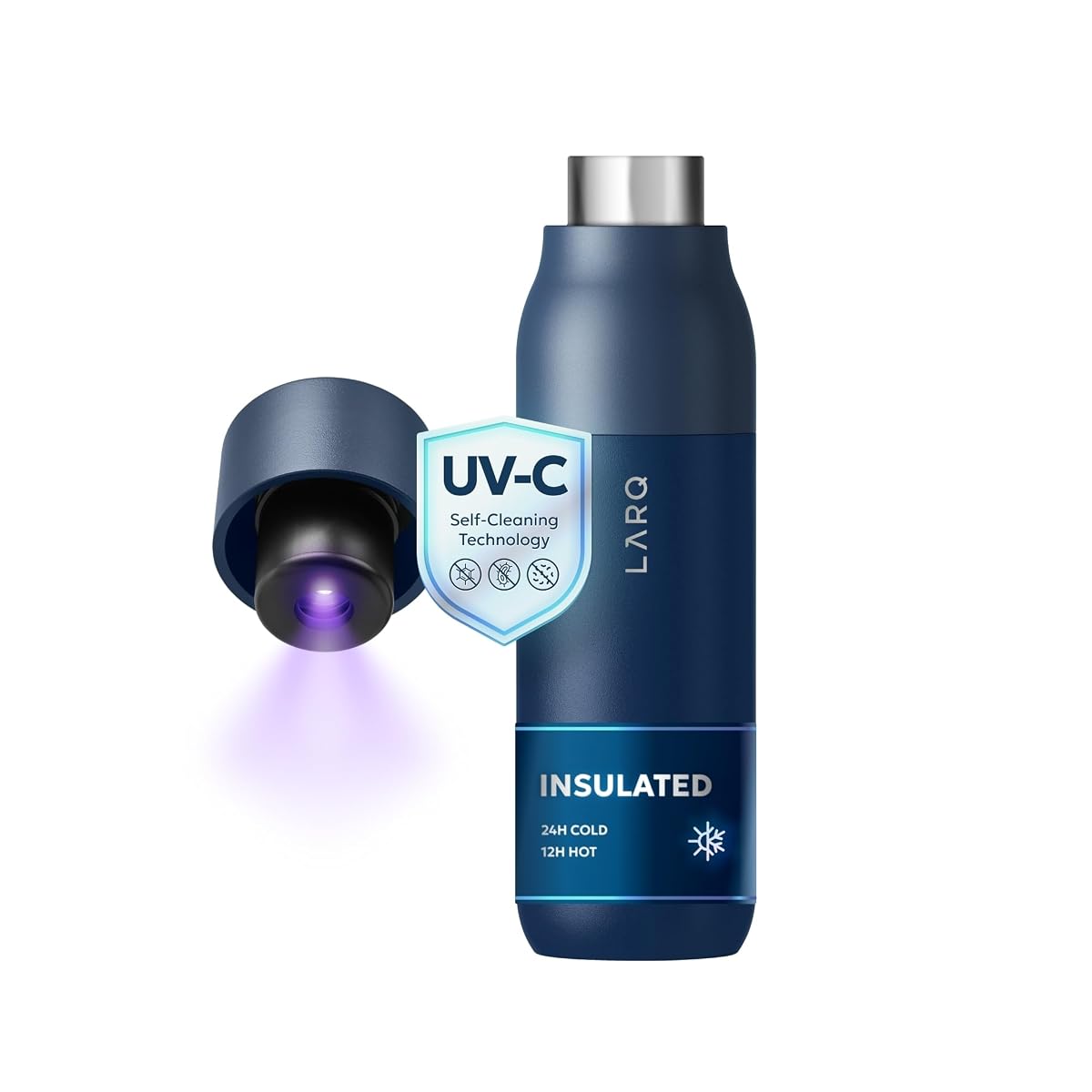
Matched to what this guide covers. Prices come from our live retailer comparison, not from this article.
Keep exploring
Treatments and rituals to read next
- Reflexology
A structured pressure massage of the feet, and sometimes hands and ears, based on the traditional idea that areas of the foot map to the body.
- Box breathing practice
A four-count breathing pattern you can do anywhere to slow a racing nervous system.
- Float therapy
Floating in a shallow pool or pod of heavily salted, skin-temperature water, usually in darkness and quiet.
More from this NOUI Edit
Sensory Wellness
Scent, sound, touch and sight as pathways into the nervous system
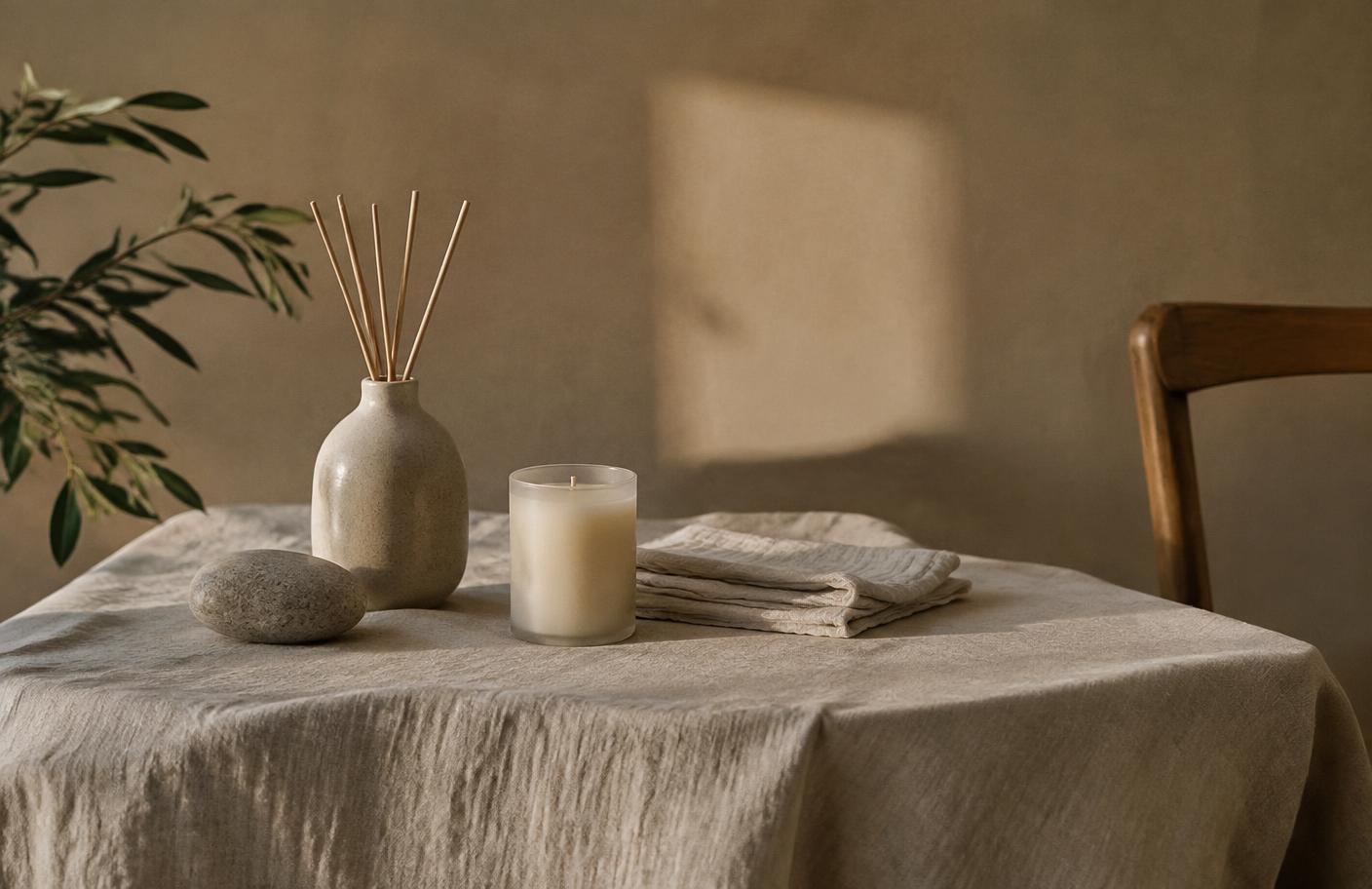
Sensory Wellness: The Complete Guide to Calming Your Nervous System Through Scent, Sound, Touch and Sight
What sensory wellness actually is, the evidence behind it, and how to build a routine around scent, sound, touch and sight — without adding more to your day.
· 9 min read
Sensory Overload vs Sensory Deprivation: Finding Your Balance
More sensory input is not always calming — sometimes it is the opposite. How to tell which side of the line you are on.
· 7 min read
A Sensory Evening Routine for Genuine Wind-Down
The evening version of sensory wellness — dimming light, lowering sound, and using scent and touch to actually downshift before bed.
· 6 min read

A Sensory Morning Routine (That Doesn't Overstimulate You)
A step-by-step sensory routine built for alertness — light, temperature, sound and scent, in the right order.
· 6 min read
You may also like
Sensory Wellness: The Complete Guide to Calming Your Nervous System Through Scent, Sound, Touch and Sight
What sensory wellness actually is, the evidence behind it, and how to build a routine around scent, sound, touch and sight — without adding more to your day.
· 9 min read
Sensory Overload vs Sensory Deprivation: Finding Your Balance
More sensory input is not always calming — sometimes it is the opposite. How to tell which side of the line you are on.
· 7 min read
Sound and the Nervous System: Why Music (and Silence) Calm Us
Rhythmic sound has a measurable effect on heart rate and breathing. Here is how to use it deliberately, not just as background noise.
· 6 min read
A Sensory Evening Routine for Genuine Wind-Down
The evening version of sensory wellness — dimming light, lowering sound, and using scent and touch to actually downshift before bed.
· 6 min read
Visual Wellness: How Light, Colour and Clutter Affect Your Mind
What you look at all day shapes your mood more than you would think. The evidence on light, colour and clutter — and small changes that actually help.
· 7 min read

Touch and Texture: The Most Overlooked Sense in Wellness
Touch has a documented calming effect on mood and pain — and it is the sense most wellness routines ignore. Here is how to bring it back in.
· 7 min read