Sensory Wellness: The Complete Guide to Calming Your Nervous System Through Scent, Sound, Touch and Sight
What sensory wellness actually is, the evidence behind it, and how to build a routine around scent, sound, touch and sight — without adding more to your day.
NOUI Collective · · 9 min read
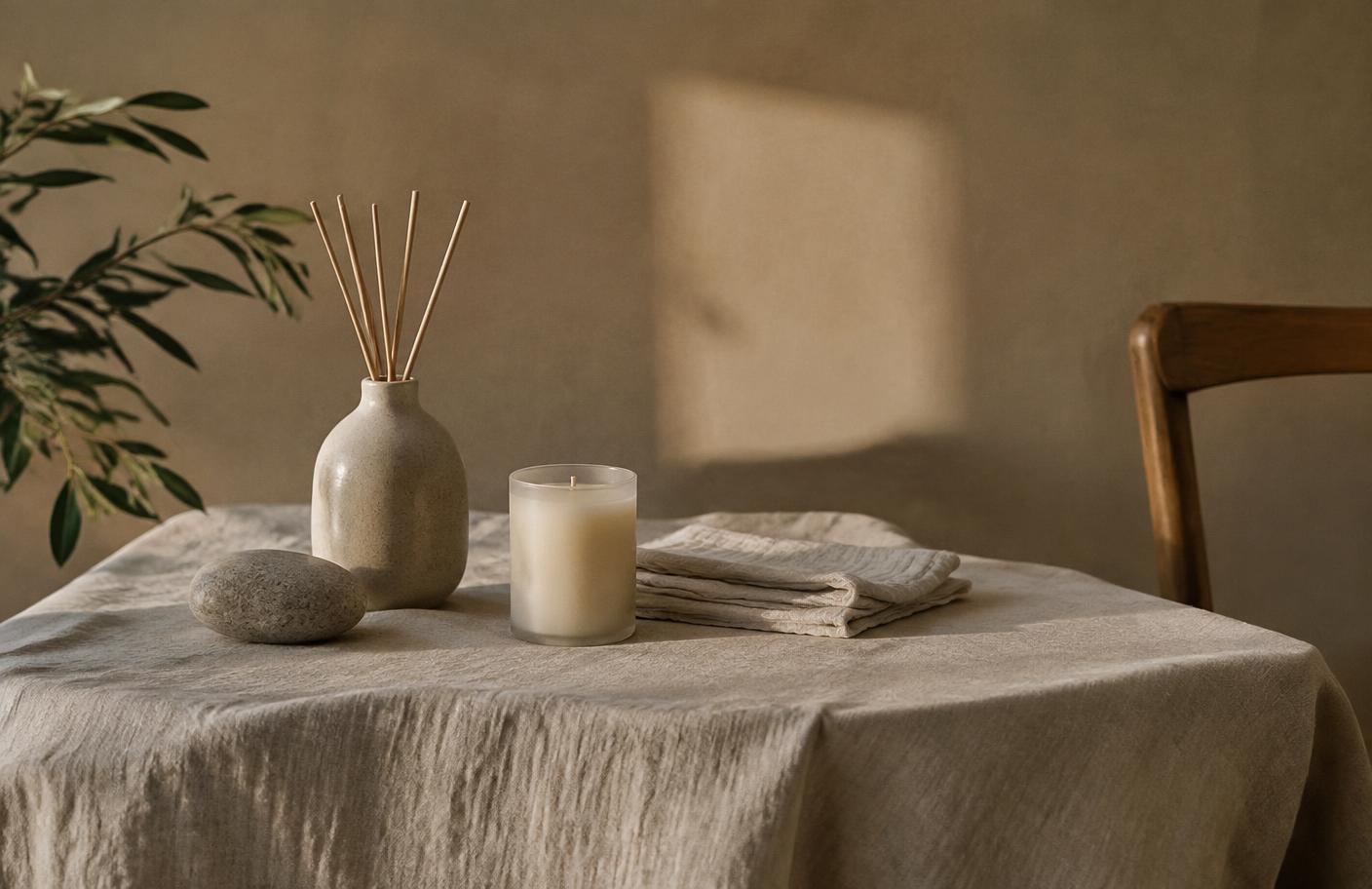
Most wellness advice focuses on what you do — the products you apply, the supplements you take, the exercise you fit in. Sensory wellness is different. It is about *how you experience* the routine you already have, using the senses as direct, physical pathways into your nervous system.
This is not a trend dressed up as science, and it is not a cure for anything either. The nervous system does respond measurably to sensory input: scent signals travel an unusually direct route to the brain's emotional centres, rhythmic sound can shift breathing and heart rate, and firm touch has a documented calming effect on mood and pain. Sensory wellness is simply the practice of using those pathways on purpose instead of leaving them to chance.
This guide is general wellbeing information, not medical advice. Sensory strategies sit alongside sleep, movement, food and — where it is needed — professional support. If low mood, anxiety or sensory distress is affecting daily life, speak to a GP or a qualified practitioner.
What sensory wellness actually means
At its core, sensory wellness is the deliberate use of scent, sound, touch and sight to influence mood and stress response. It does not require new products or extra time. It is about layering intention onto moments you already have: the shower you already take, the commute you already sit through, the ten minutes before bed you already spend scrolling.
The four senses this guide covers
- Scent — the sense most directly wired to memory and emotion, and the easiest to build a ritual around
- Sound — music, white noise and silence itself, each affecting the nervous system differently
- Touch — texture, temperature and pressure, chronically underrated in wellness advice
- Sight — light, colour and visual clutter, and their effect on mood and focus
Each has its own deep dive: the science of scent and mood, sound and the nervous system, touch and tactile comfort and visual wellness. The short version is that none of these senses work in isolation, and none of them require you to overhaul your life. They work best layered into routines you are already running.
Building a routine, not a list of hacks
The mistake most sensory wellness content makes is presenting a list of disconnected tips — light a candle, play a playlist, touch a soft blanket — without addressing *when* or *why*. A real practice has a morning shape and an evening shape, because your nervous system needs different input depending on whether it is winding up for the day or winding down from it.
This guide covers a sensory morning routine built for alertness without overstimulation and a sensory evening routine built for genuine wind-down, because the same input at the wrong time of day works against you rather than for you. Bright light and brisk tempo help at eight in the morning and hinder at ten at night.
Products worth exploring
From the NOUI catalogue, matched to what this guide covers. Prices come from our live retailer comparison.


When sensory input helps — and when it is too much
Sensory wellness has a ceiling. More input is not automatically better, and sensory overload is a real, common experience that produces the opposite of the calm you were after. Equally, some people are under-stimulated rather than overloaded, and need more input, not less. The piece on finding the line between sensory overload and sensory deprivation covers how to work out which side of that line you are on.
Key takeaways
- Reasonably well supported: touch interventions improve mood, anxiety and pain; daylight exposure supports sleep timing and mood; slow-tempo music and paced breathing reduce subjective stress.
- Mixed or early evidence: specific essential oils for specific outcomes, colour psychology, exact cortisol mechanisms.
- Consistently true in practice: a small ritual you actually repeat beats a perfect one you abandon.
For the days that do not allow a routine
Not every day has room for a ritual. This guide to fast sensory resets covers what to reach for when you have ninety seconds rather than twenty minutes — because a practice that only works when life is calm is not much use on the days you need it.
Where scent fits into all of this
Scent deserves particular attention because it is the sense most people already have a relationship with, through candles, fragrance or scent-led rituals, without necessarily knowing why it works or how to use it more deliberately. Building a scent-led wellness ritual goes deeper, including how scent and touch combine in something as ordinary as a scalp massage — which connects directly to the scalp health guide if hair and scalp care is already part of your week.
If you would rather start from your own answers than a general template, the wellbeing analysis asks about stress, sleep, energy and overwhelm and suggests practices from there, and the practice library lists each one with its evidence noted.
Coming next
Start where it is easiest
Pick one sense and one moment in your day. [The science of scent](/blog/scent-mood-science) · [A sensory evening routine](/blog/sensory-evening-routine)
Frequently asked questions
What is sensory wellness?
Sensory wellness is the deliberate use of scent, sound, touch and sight to influence how calm, alert or grounded you feel. Rather than adding new activities, it changes the sensory conditions around routines you already have — showering, commuting, working, going to bed.
Is there real evidence behind it?
Partly, and it varies by sense. Touch interventions and daylight exposure have reasonably strong research support. Slow-tempo music and paced breathing have consistent evidence for reducing self-reported stress. Claims about specific scents producing specific outcomes are weaker and often based on small studies, so they are worth treating as promising rather than proven.
How long does a sensory wellness routine take?
It can take two minutes. Most of the practice is layering intention onto something you already do, so the time cost is close to zero. Longer rituals are pleasant but not required.
Can sensory input make anxiety worse?
It can, if there is too much of it or it arrives at the wrong time. Competing scents, bright light late at night and busy background noise can all raise agitation rather than lower it. If input feels irritating rather than settling, reduce it before adding anything new.
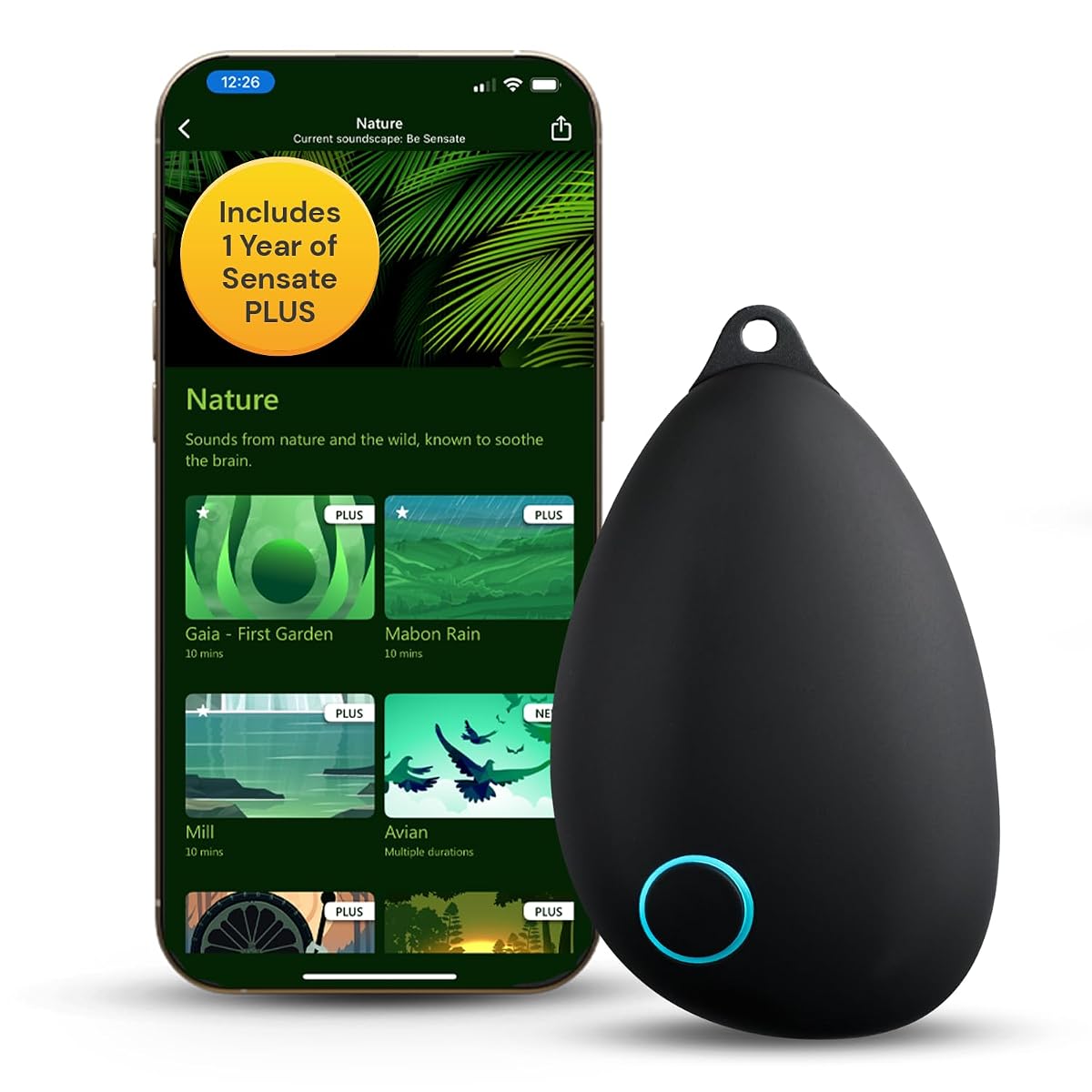
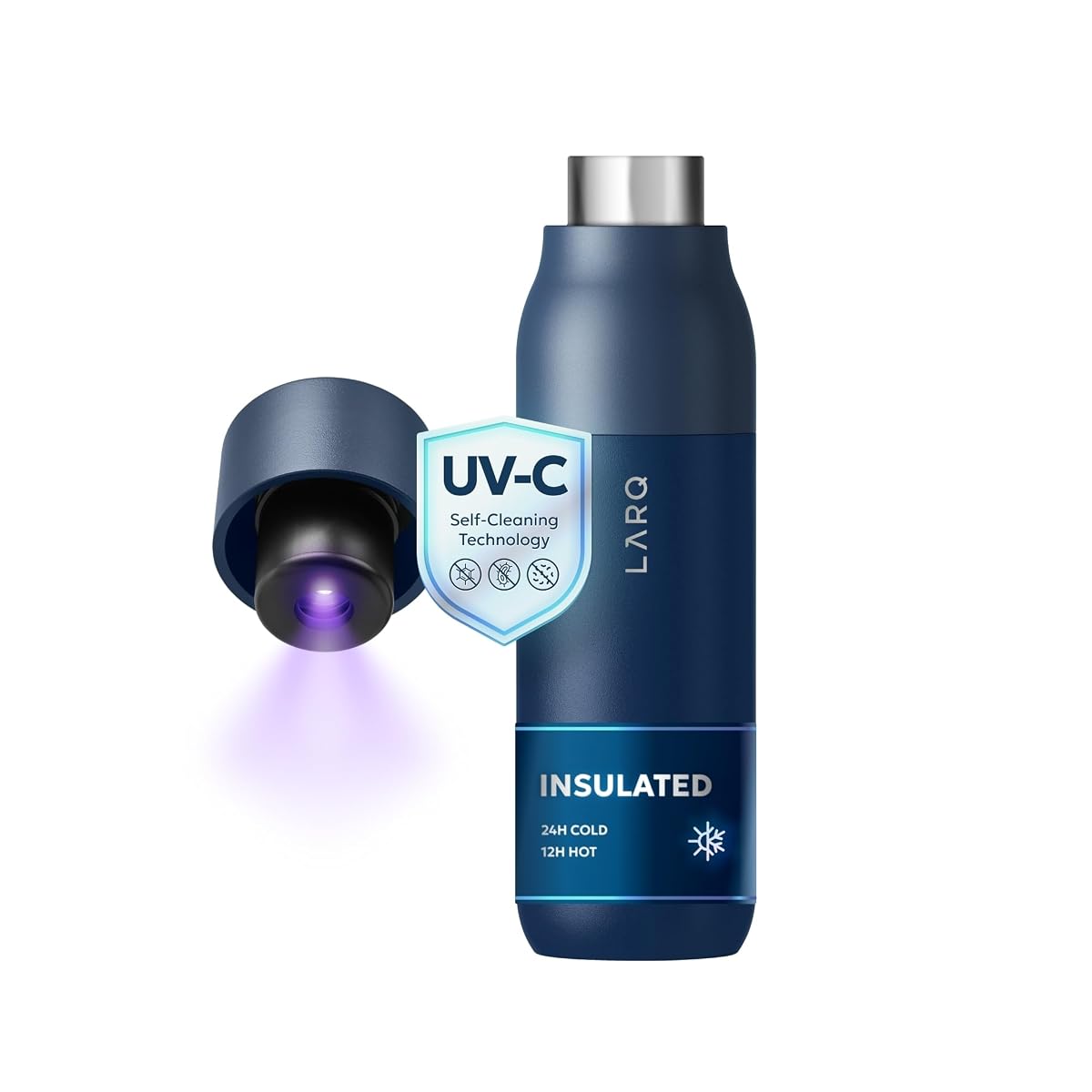
From the NOUI catalogue
Explore relevant products
Matched to what this guide covers. Prices come from our live retailer comparison, not from this article.
Keep exploring
Treatments and rituals to read next
- Reflexology
A structured pressure massage of the feet, and sometimes hands and ears, based on the traditional idea that areas of the foot map to the body.
- Box breathing practice
A four-count breathing pattern you can do anywhere to slow a racing nervous system.
- Float therapy
Floating in a shallow pool or pod of heavily salted, skin-temperature water, usually in darkness and quiet.
More from this NOUI Edit
Sensory Wellness
Scent, sound, touch and sight as pathways into the nervous system

Sensory Resets for High-Stress Days (When You Don't Have 20 Minutes)
Fast, sensory-based ways to interrupt a stress spiral when a full routine is not realistic.
· 6 min read

Sensory Overload vs Sensory Deprivation: Finding Your Balance
More sensory input is not always calming — sometimes it is the opposite. How to tell which side of the line you are on.
· 7 min read
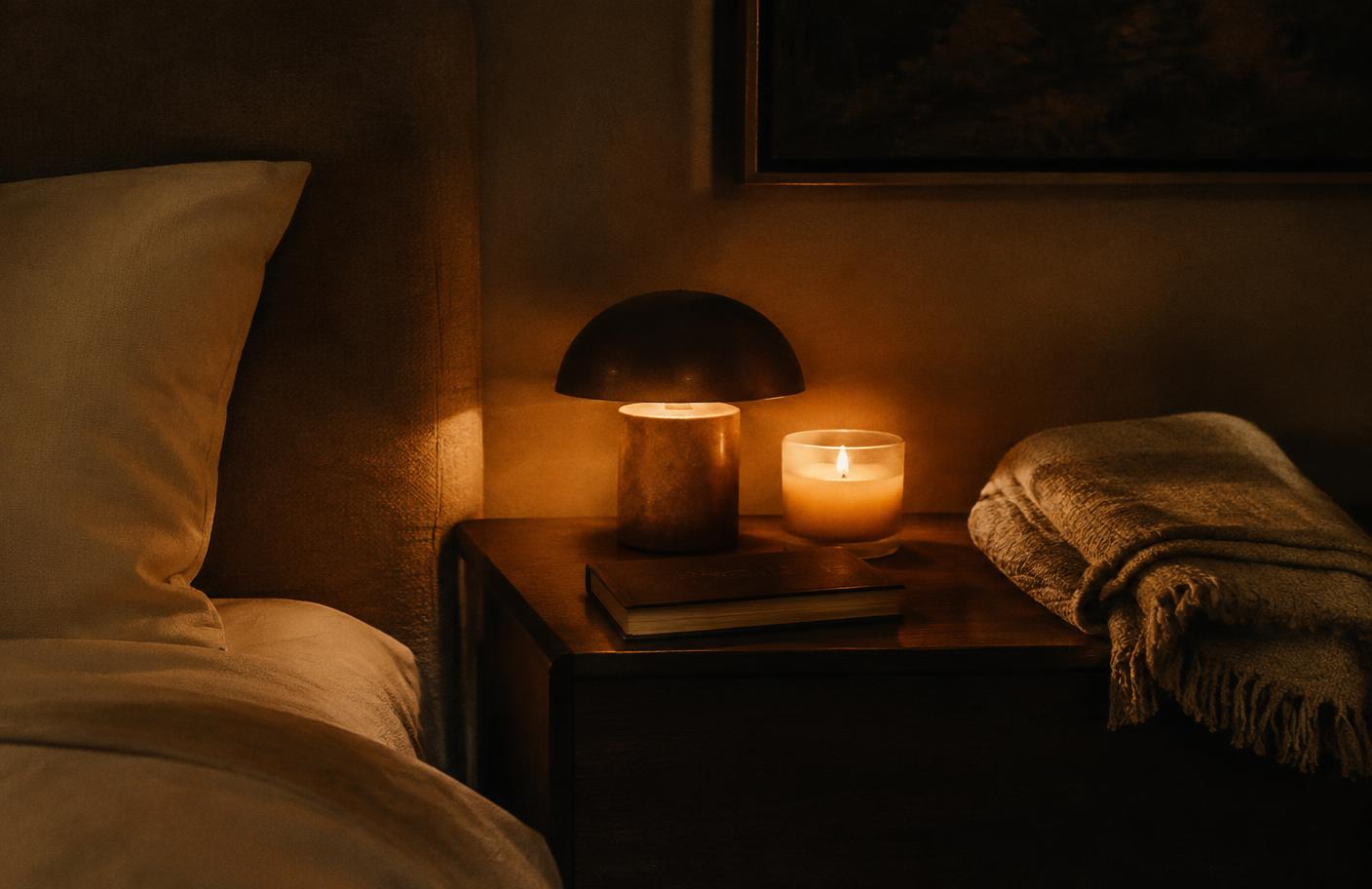
A Sensory Evening Routine for Genuine Wind-Down
The evening version of sensory wellness — dimming light, lowering sound, and using scent and touch to actually downshift before bed.
· 6 min read

A Sensory Morning Routine (That Doesn't Overstimulate You)
A step-by-step sensory routine built for alertness — light, temperature, sound and scent, in the right order.
· 6 min read
You may also like

The Science of Scent and Mood: How Aromatherapy Actually Affects the Brain
Scent takes a more direct route to the brain's emotional centre than any other sense. Here is the actual mechanism behind it — and what it means for your routine.
· 7 min read
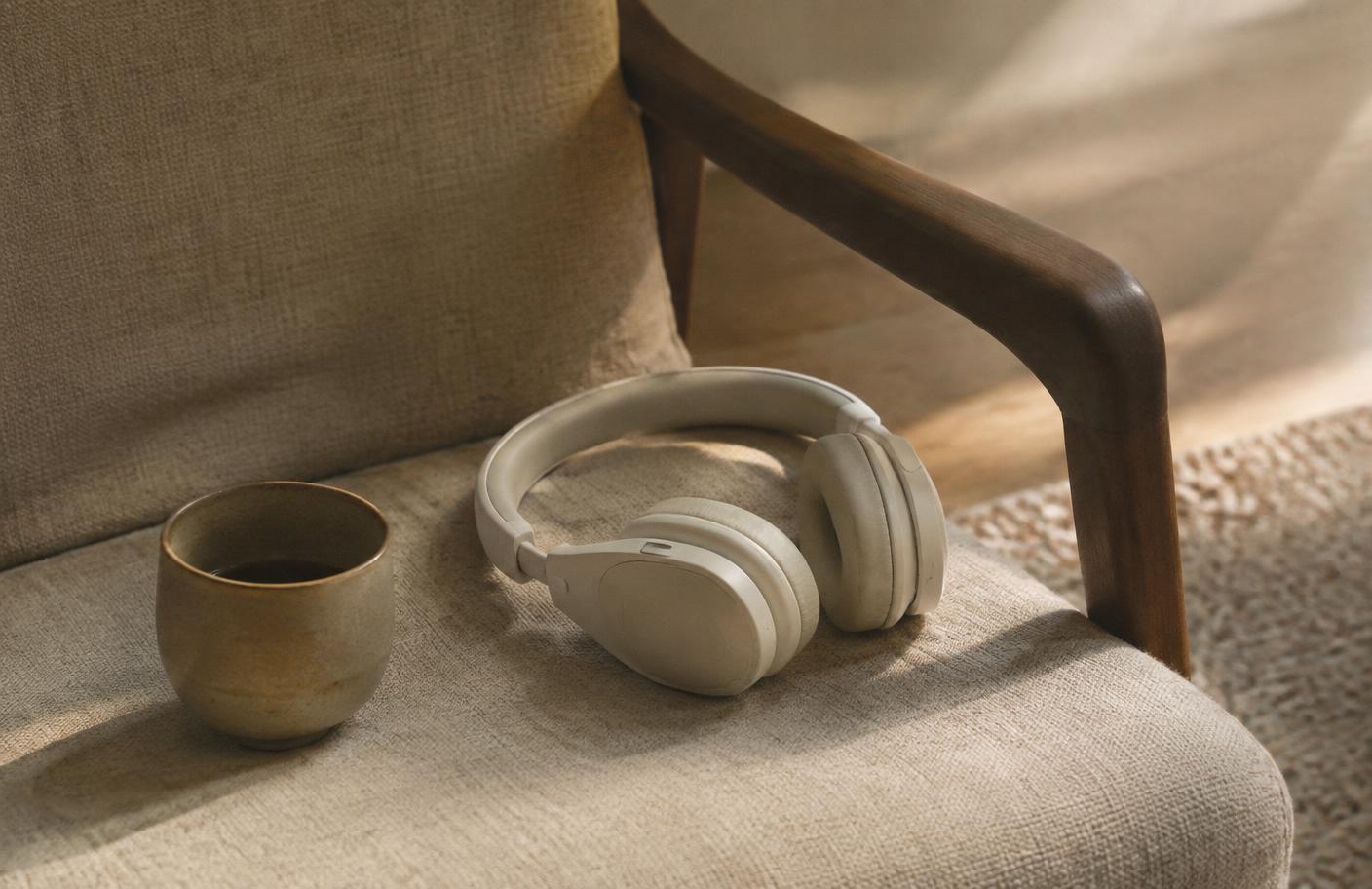
Sound and the Nervous System: Why Music (and Silence) Calm Us
Rhythmic sound has a measurable effect on heart rate and breathing. Here is how to use it deliberately, not just as background noise.
· 6 min read

Touch and Texture: The Most Overlooked Sense in Wellness
Touch has a documented calming effect on mood and pain — and it is the sense most wellness routines ignore. Here is how to bring it back in.
· 7 min read
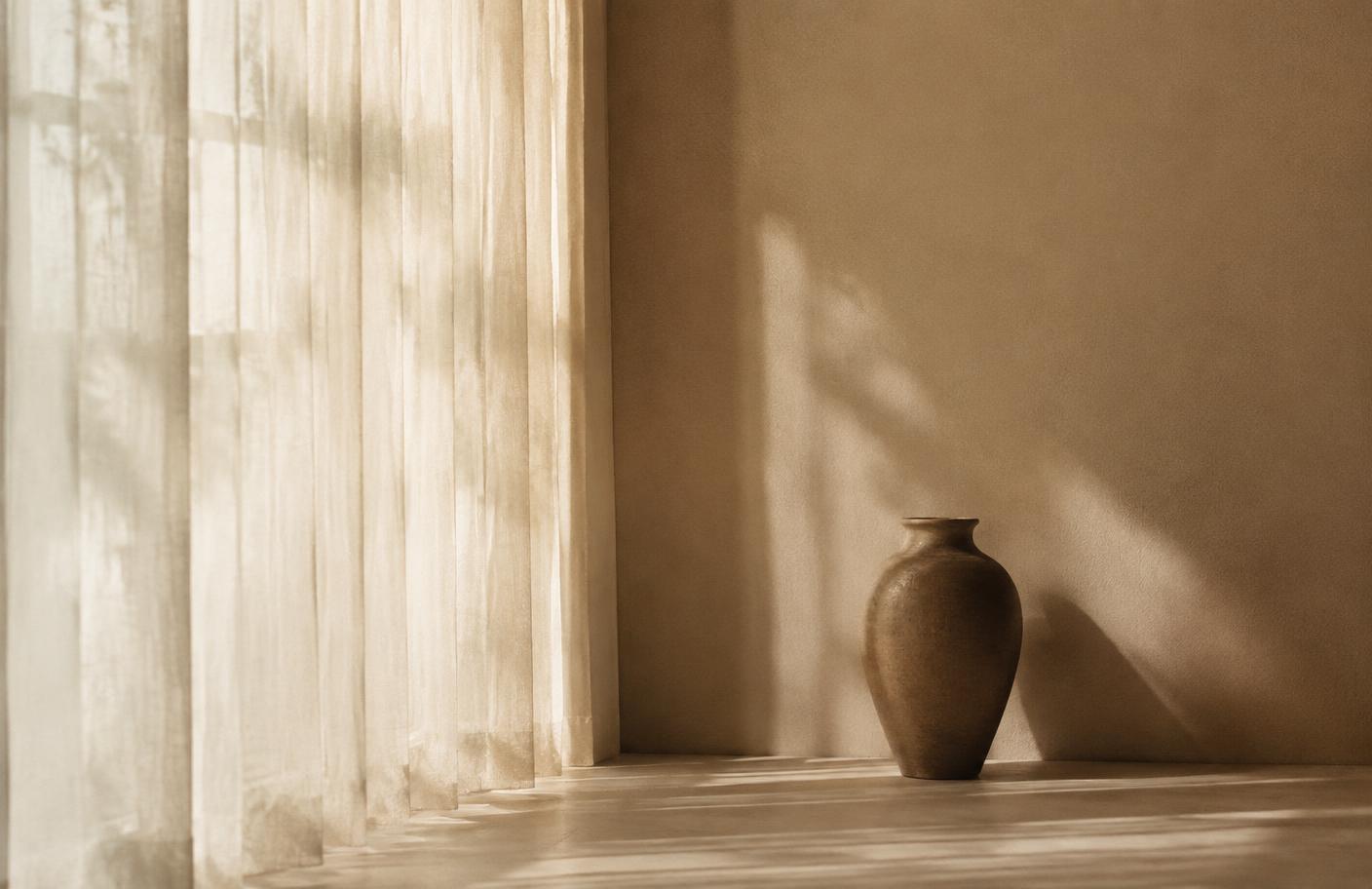
Visual Wellness: How Light, Colour and Clutter Affect Your Mind
What you look at all day shapes your mood more than you would think. The evidence on light, colour and clutter — and small changes that actually help.
· 7 min read
A Sensory Morning Routine (That Doesn't Overstimulate You)
A step-by-step sensory routine built for alertness — light, temperature, sound and scent, in the right order.
· 6 min read
A Sensory Evening Routine for Genuine Wind-Down
The evening version of sensory wellness — dimming light, lowering sound, and using scent and touch to actually downshift before bed.
· 6 min read