A Sensory Evening Routine for Genuine Wind-Down
The evening version of sensory wellness — dimming light, lowering sound, and using scent and touch to actually downshift before bed.
NOUI Collective · · 6 min read
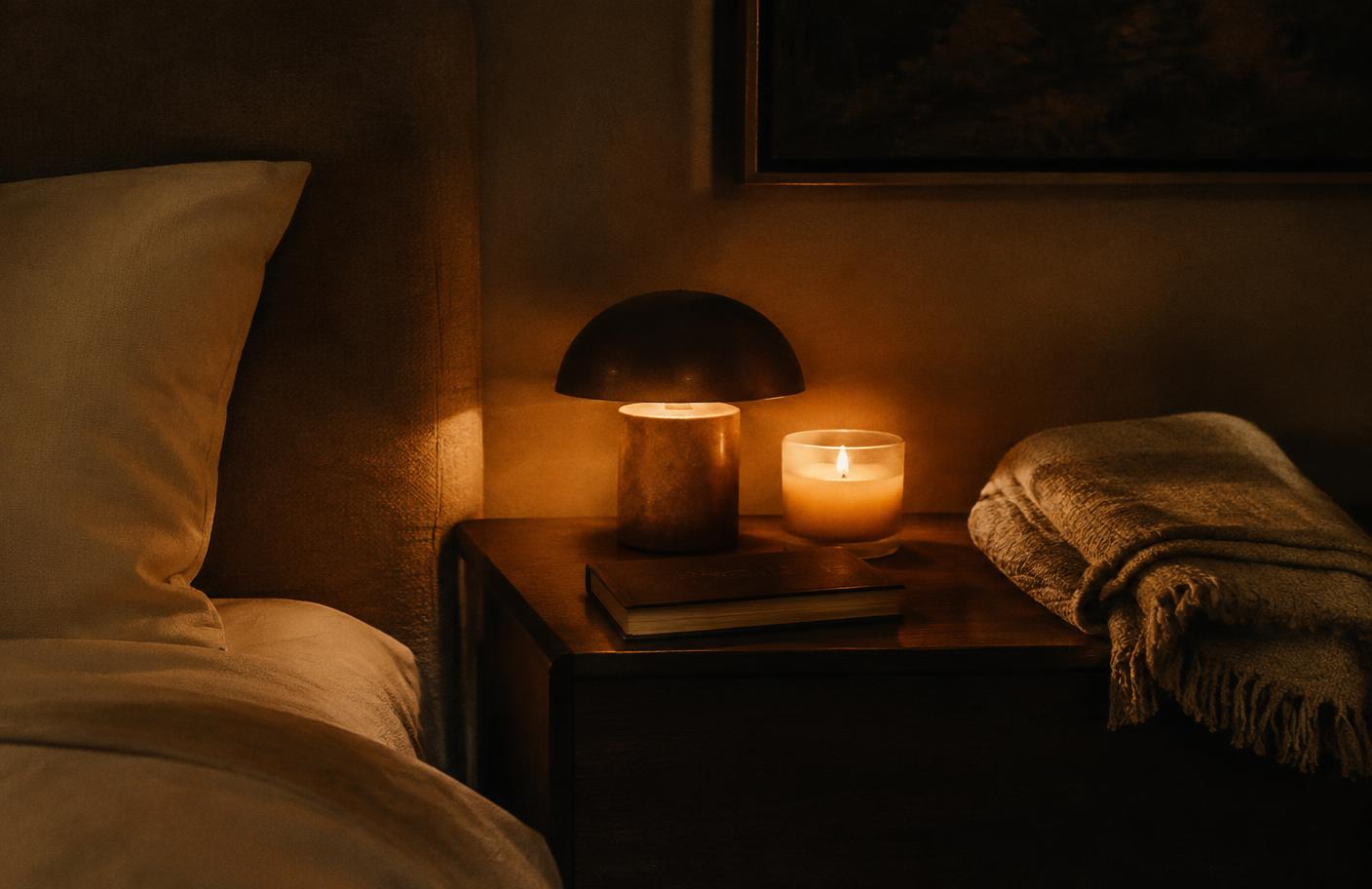
An evening routine is the morning sequence in reverse. Where the morning adds input in a deliberate order, the evening removes it in a deliberate order: light down first, then sound, then screens, with scent and touch added as the cues that mark the change.
The reason to structure it at all is that "relaxing" often means swapping one form of stimulation for another — bright overhead light, a dramatic series, a scrolling feed. The nervous system reads that as more input, not less.
The sequence, roughly an hour out
Light down first. Turn off overheads and use one or two lamps. Warmer, lower light in the last hour is the highest-value change in this list, because light is the strongest circadian signal you control. Visual wellness covers the evidence; a cool, dark bedroom covers the room itself.
Sound down next. Lower the volume and slow the tempo. Predictable and familiar works better than new and interesting — the point is to stop giving attention something to track. Sound and the nervous system explains the tempo effect. Silence is a perfectly good option here.
Add touch. This is the step most people skip and the one with the best evidence behind it. A warm shower with attention on the water, a few minutes of abhyanga self-massage, scalp massage with an oil, or the weight of a heavier throw while reading. Touch and texture explains why pressure and predictability matter more than materials.
Scent as the bedtime cue. One scent, used only in the last half hour, becomes a learned signal for sleep over a few weeks. That anchoring effect is the most practical thing about scent — see the science of scent and mood — and it is why the same candle every night beats a rotating collection.
Screens last, and lower. If a screen is part of the evening, put it earlier rather than last, keep it dim, and end on something that is not a feed. An evening brain dump is a better final act than scrolling if your mind runs at night.
Key takeaways
- Order: light down, sound down, touch in, scent as the cue, screens earlier.
- One scent used only at night becomes a sleep signal in two to three weeks.
- Removing input counts as a wind-down step, not a failure to do one.
General wellbeing information, not medical advice. Persistent insomnia, night waking or daytime exhaustion deserve proper assessment — a routine helps, but it is not a treatment for a sleep disorder. Never leave a candle burning unattended or overnight.
Products worth exploring
From the NOUI catalogue, matched to what this guide covers. Prices come from our live retailer comparison.


CurrentBody
CurrentBody Skin LED Light Therapy Mask Series 2
Targets visible signs of ageing and breakouts
If it is not working
Two patterns are common. Either the routine is too long to keep, in which case cut it to light down plus one touch step, or the evening is being used as the only unstructured time in the day, in which case a wind-down will keep losing to the phone. The wind-down hour and a caffeine curfew tend to move the needle more than adding another product.
If quiet evenings leave you restless rather than settled, read sensory overload versus deprivation — some people need more input in the evening, not less.
Coming next
Make the ritual specific
Pair one scent with one touch step and repeat it. [Scent-led wellness rituals](/blog/scent-led-wellness-rituals) · [The full sensory guide](/blog/sensory-wellness-complete-guide)
Frequently asked questions
How long before bed should a wind-down start?
Around an hour is a reasonable target, but thirty minutes done consistently is better than an hour done occasionally. Start with dimming the lights, since that is the fastest change with the strongest rationale.
Does scent help you sleep?
Indirectly, and mainly through association. Inhaled scent has reasonable evidence for reducing self-reported anxiety, and a scent used only at bedtime becomes a learned cue for sleep. It is not a sedative.
Should I read on a screen or on paper before bed?
Paper avoids both the light and the endless-content problem. If you read on a screen, dim it, keep it warm-toned, and choose something finite rather than a feed.
What if I fall asleep fine but wake at 3am?
Night waking has many causes, including alcohol, stress, pain, temperature and hormonal change. A wind-down routine may help, but persistent waking is worth discussing with a GP rather than treating with more products.
From the NOUI catalogue
Explore relevant products
Matched to what this guide covers. Prices come from our live retailer comparison, not from this article.
CurrentBody
CurrentBody Skin LED Light Therapy Mask Series 2
Targets visible signs of ageing and breakouts




Keep exploring
Treatments and rituals to read next
- Reflexology
A structured pressure massage of the feet, and sometimes hands and ears, based on the traditional idea that areas of the foot map to the body.
- LED light therapy (in clinic)
Sessions under a professional LED panel using red, blue or near-infrared wavelengths, often added to a facial.
- At-home LED mask
A wearable mask or panel that delivers lower-intensity LED light in short sessions at home.
More from this NOUI Edit
Sensory Wellness
Scent, sound, touch and sight as pathways into the nervous system
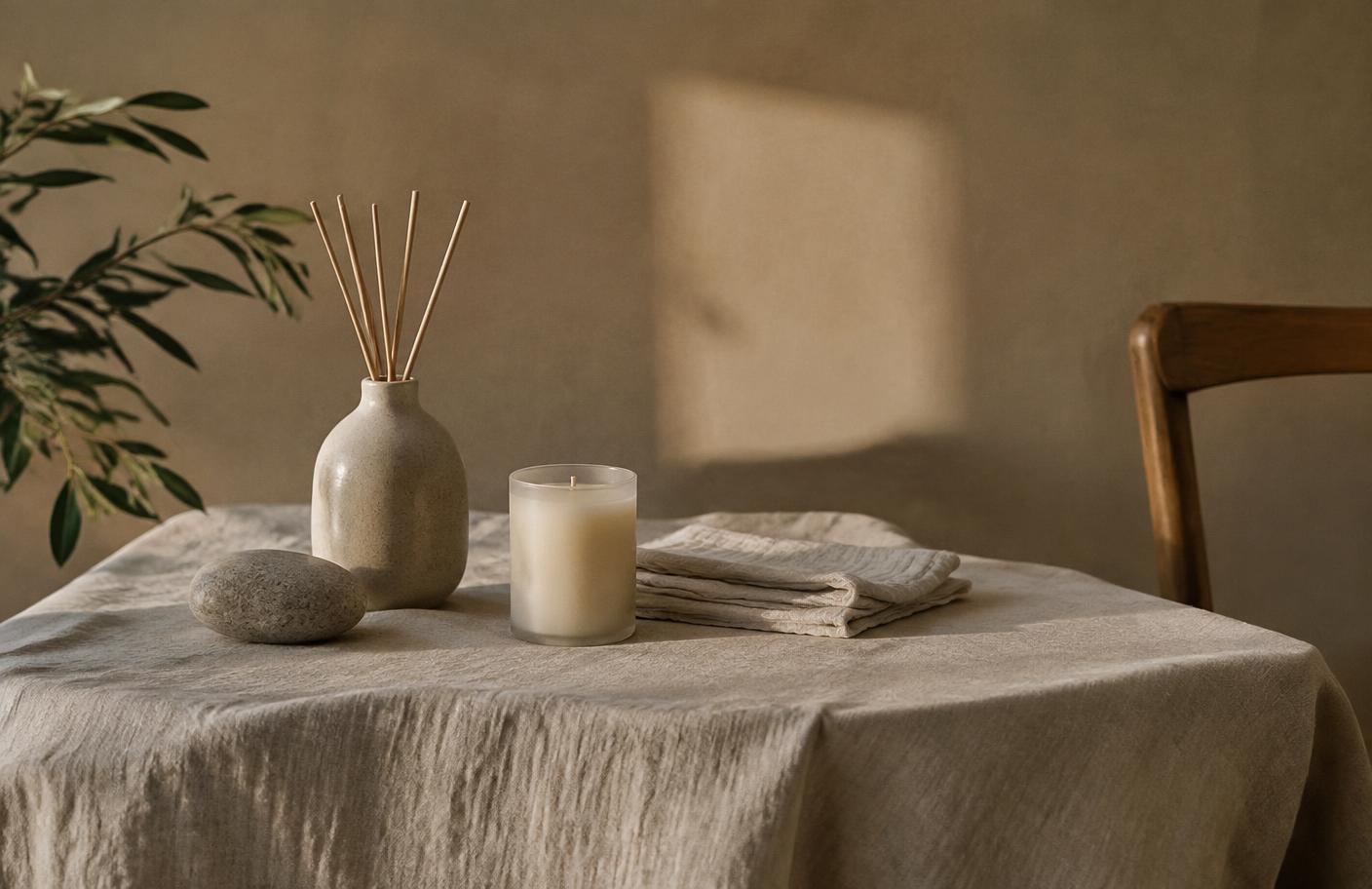
Sensory Wellness: The Complete Guide to Calming Your Nervous System Through Scent, Sound, Touch and Sight
What sensory wellness actually is, the evidence behind it, and how to build a routine around scent, sound, touch and sight — without adding more to your day.
· 9 min read

Sensory Resets for High-Stress Days (When You Don't Have 20 Minutes)
Fast, sensory-based ways to interrupt a stress spiral when a full routine is not realistic.
· 6 min read

Sensory Overload vs Sensory Deprivation: Finding Your Balance
More sensory input is not always calming — sometimes it is the opposite. How to tell which side of the line you are on.
· 7 min read

A Sensory Morning Routine (That Doesn't Overstimulate You)
A step-by-step sensory routine built for alertness — light, temperature, sound and scent, in the right order.
· 6 min read
You may also like
Sensory Wellness: The Complete Guide to Calming Your Nervous System Through Scent, Sound, Touch and Sight
What sensory wellness actually is, the evidence behind it, and how to build a routine around scent, sound, touch and sight — without adding more to your day.
· 9 min read

The Science of Scent and Mood: How Aromatherapy Actually Affects the Brain
Scent takes a more direct route to the brain's emotional centre than any other sense. Here is the actual mechanism behind it — and what it means for your routine.
· 7 min read

Visual Wellness: How Light, Colour and Clutter Affect Your Mind
What you look at all day shapes your mood more than you would think. The evidence on light, colour and clutter — and small changes that actually help.
· 7 min read
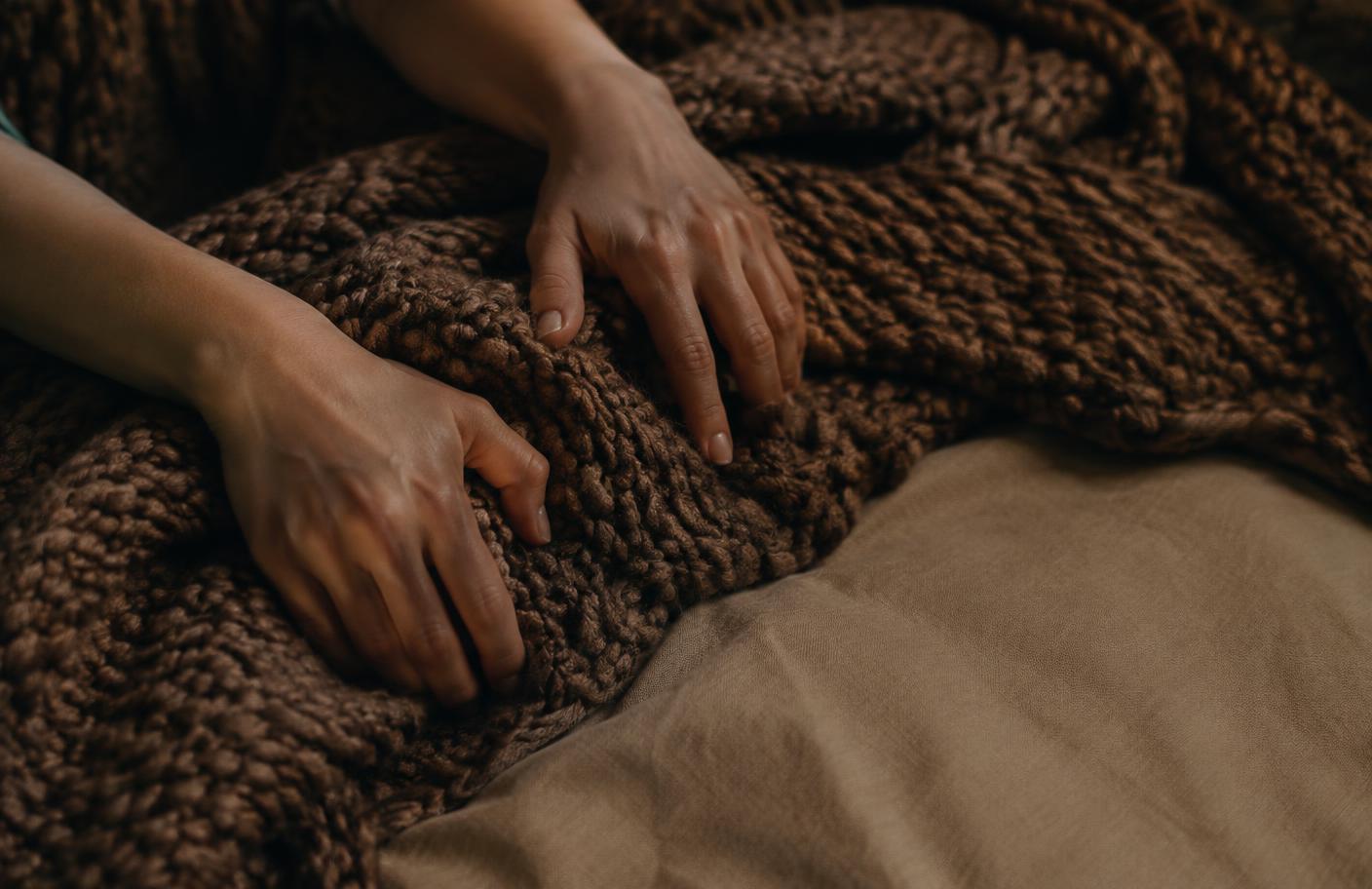
Touch and Texture: The Most Overlooked Sense in Wellness
Touch has a documented calming effect on mood and pain — and it is the sense most wellness routines ignore. Here is how to bring it back in.
· 7 min read
Sensory Resets for High-Stress Days (When You Don't Have 20 Minutes)
Fast, sensory-based ways to interrupt a stress spiral when a full routine is not realistic.
· 6 min read
Sensory Overload vs Sensory Deprivation: Finding Your Balance
More sensory input is not always calming — sometimes it is the opposite. How to tell which side of the line you are on.
· 7 min read