Visual Wellness: How Light, Colour and Clutter Affect Your Mind
What you look at all day shapes your mood more than you would think. The evidence on light, colour and clutter — and small changes that actually help.
NOUI Collective · · 7 min read
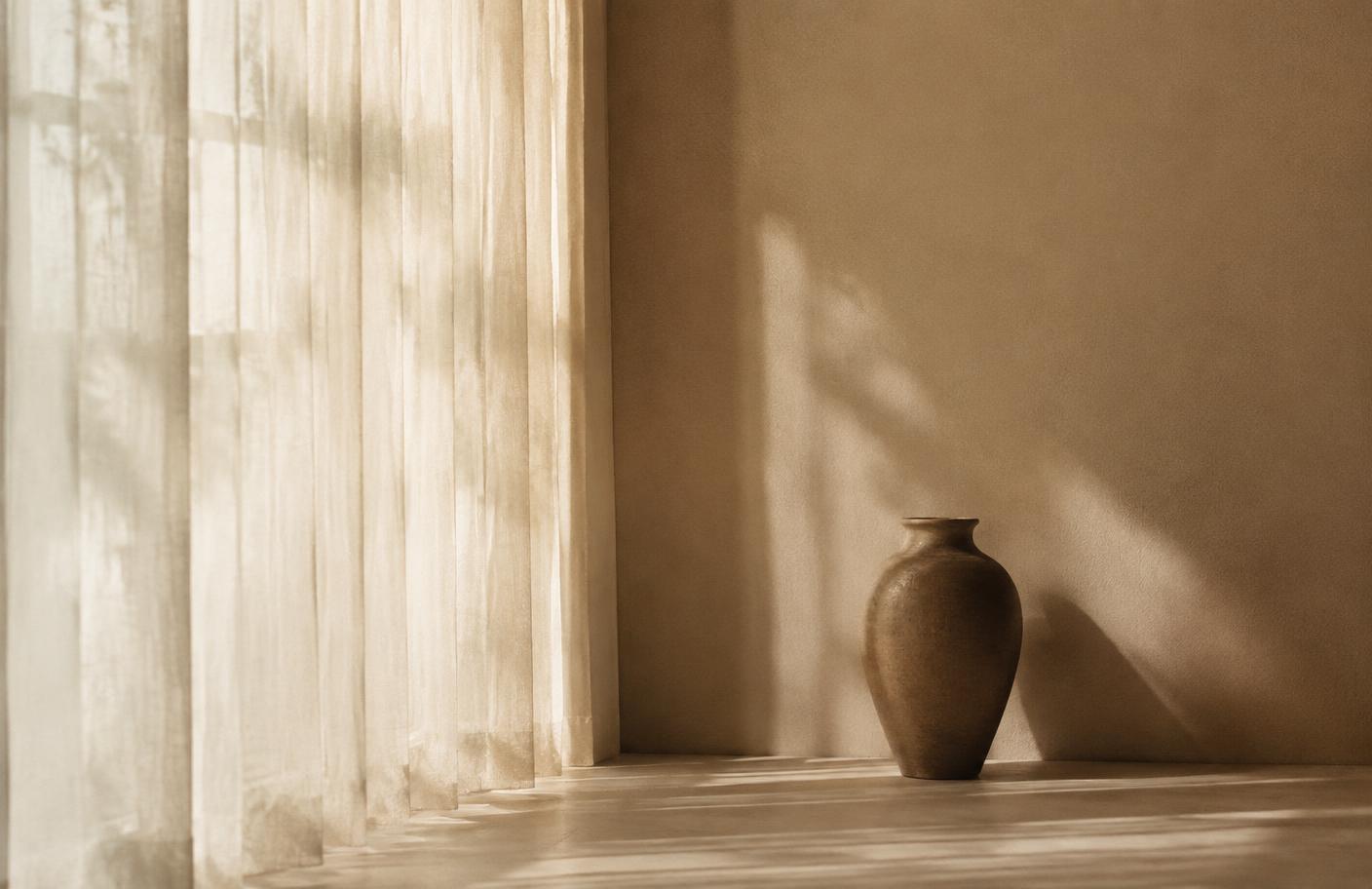
Sight is the sense we manage least deliberately and are exposed to most. Screens, overhead lighting, the state of a room — all of it is visual input, arriving continuously, mostly unexamined. Of the four senses in this guide, light has the strongest evidence base, and it is also the easiest to change.
Light: the strongest evidence of the four
Light is the main signal your body uses to set its internal clock. Bright light in the morning, ideally daylight, helps anchor sleep timing and is associated with better mood and alertness; bright light late in the evening does the opposite, delaying the shift towards sleep. This is why light therapy is used clinically for seasonal mood change and circadian sleep problems.
The practical version is unglamorous and effective:
- Get outside within an hour or two of waking, even on a grey day. Outdoor light on an overcast morning is still far brighter than indoor lighting.
- Keep daytime spaces bright, and work near a window where you can.
- Drop light levels in the evening — lamps rather than overheads, warmer tones, and fewer of them.
- Keep the bedroom genuinely dark, or use a mask. A cool, dark bedroom is one of the more reliable sleep practices there is.
Morning light and breath pairs the light exposure with a couple of minutes of slow breathing, which is a more useful start than checking a phone in bed.
Key takeaways
- Best supported: morning daylight for sleep timing, mood and alertness; dim evening light for wind-down.
- Mixed: colour psychology, especially universal claims about specific colours.
- Reasonable but modest: reducing visual clutter to lower distraction and perceived stress.
Colour: interesting, contested, oversold
Colour psychology is where visual wellness gets shaky. Popular claims — blue calms, red raises heart rate, green restores — are drawn from small studies with inconsistent results and heavy cultural and personal variation. Some findings recur, such as a preference for natural greens and views of nature being associated with better attention restoration, but the effect sizes are modest and the mechanism is not settled.
What holds up better is *your* response. If a room feels agitating in bright white and calmer in warm neutrals, that is worth acting on, and it does not require research to justify. Treat colour as personal preference with a plausible effect, not as a lever with predictable outcomes.
Products worth exploring
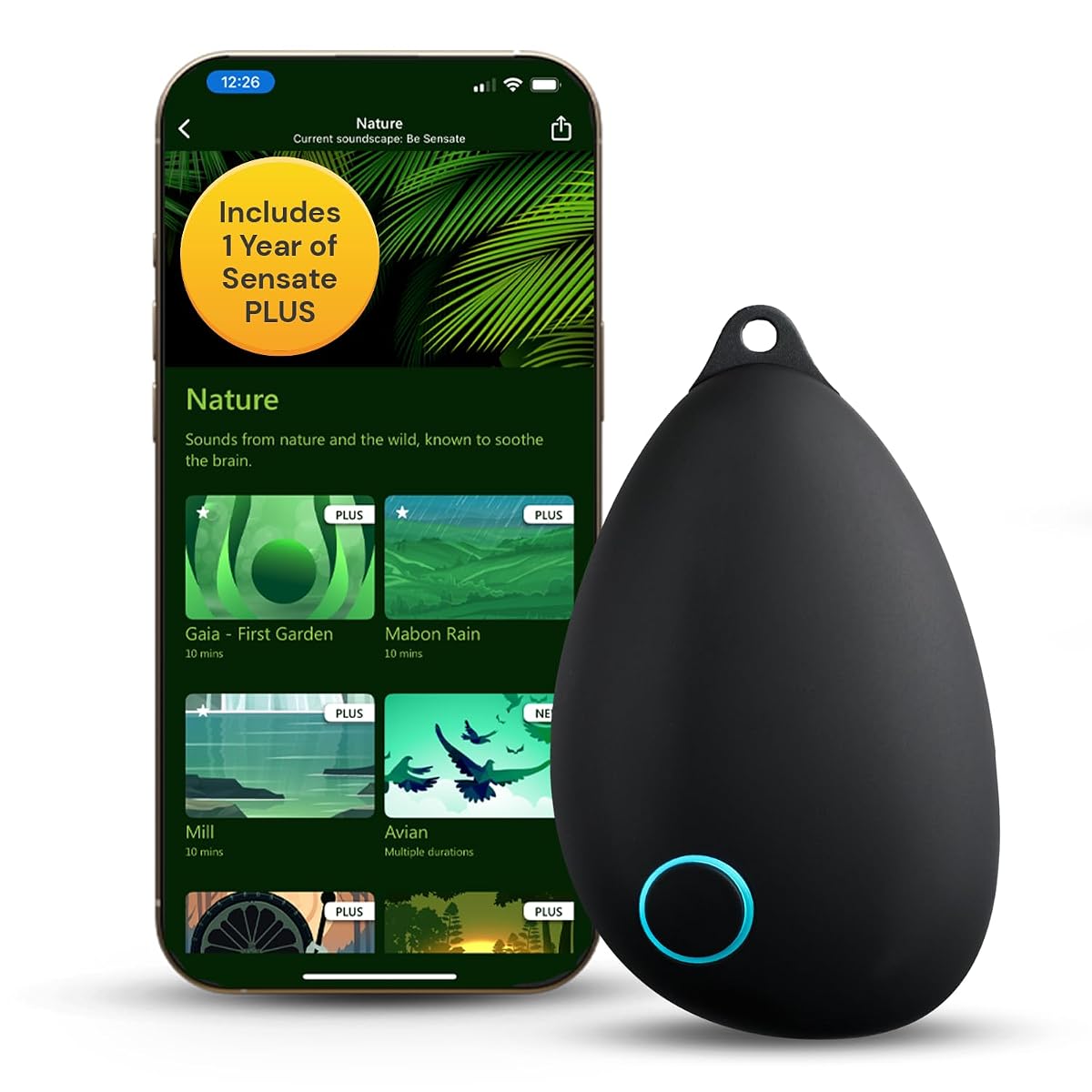
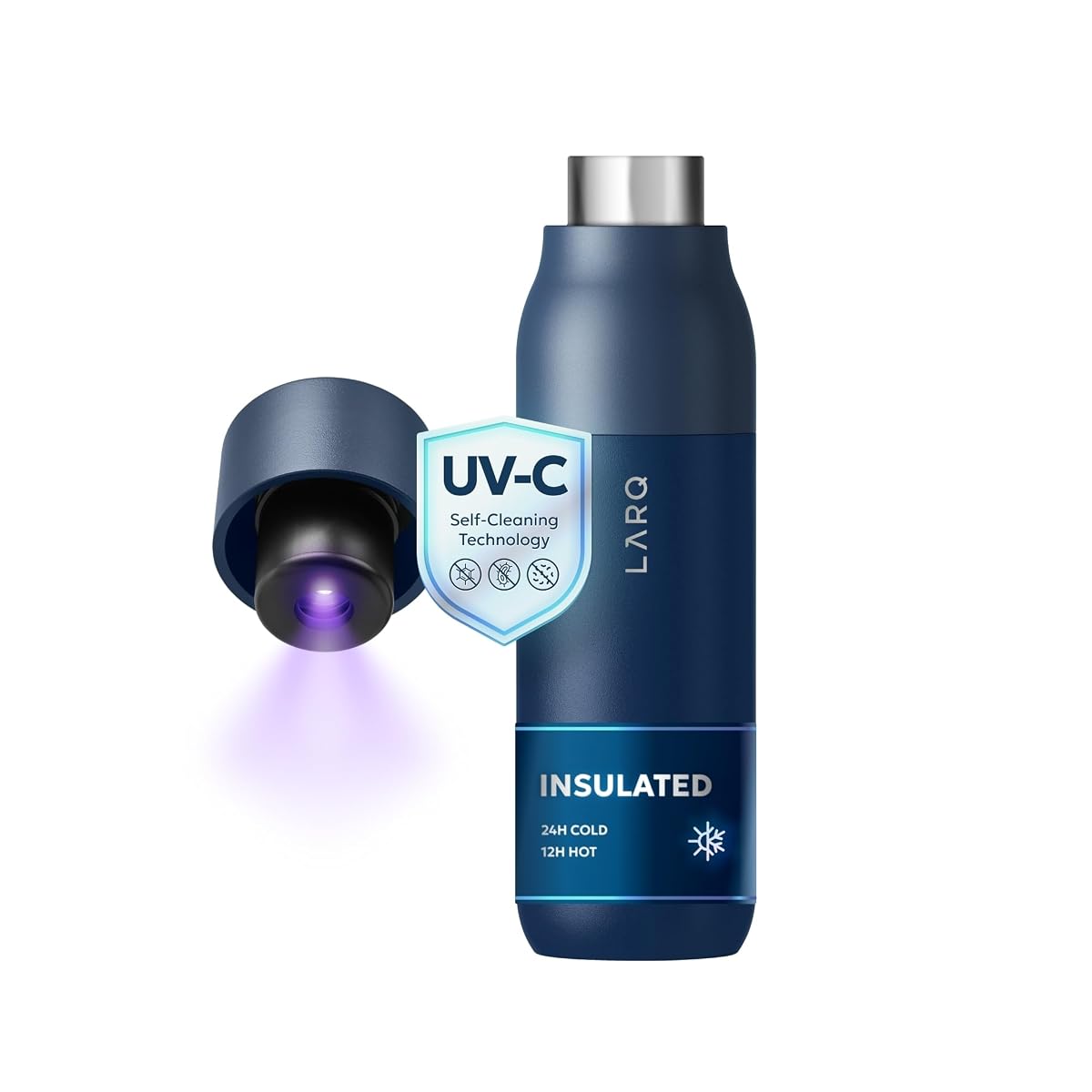
From the NOUI catalogue, matched to what this guide covers. Prices come from our live retailer comparison.


Clutter and cognitive load
Visual clutter competes for attention. Studies on visual attention consistently show that more competing items in a field of view make it harder to focus on one of them, and self-reported stress tends to be higher in cluttered home environments — though cause and effect run both ways, since stress makes tidying less likely.
The useful version is not a whole-house declutter. It is clearing one surface you look at while doing one thing: the desk during work, the bedside table before bed. That is a five-minute change with a noticeable effect on how a space feels.
General wellbeing information, not medical advice. If low mood follows a strong seasonal pattern, or sleep is persistently disrupted, speak to a GP — light therapy and other treatments should be assessed properly rather than self-prescribed.
Light does most of its work at the edges of the day, which is where the sensory evening routine picks it up in detail. For how sight interacts with the other senses, see sensory wellness.
Coming next
Use light at the right time
Dimming is as important as brightening. [The sensory evening routine](/blog/sensory-evening-routine) · [The full sensory wellness guide](/blog/sensory-wellness-complete-guide)
Frequently asked questions
Does colour really affect mood?
Some effects appear repeatedly in research, particularly around natural greens and views of nature, but the evidence for specific colours producing specific emotional states is mixed and culturally variable. Personal preference is the more reliable guide.
How does light affect mental health?
Light is the main timing cue for the circadian system. Bright morning light supports sleep timing, alertness and mood, and is used clinically for seasonal mood change. Bright light late at night delays sleep and can worsen sleep quality.
Does visual clutter cause stress?
Clutter reliably increases distraction, and cluttered environments are associated with higher self-reported stress. The relationship runs in both directions, so the practical move is small and specific: clear the surface you actually look at.
How much daylight do I need in the morning?
Ten to twenty minutes outdoors is a reasonable target for most people, longer on dark winter mornings. Being outside beats being behind glass, even under cloud.
From the NOUI catalogue
Explore relevant products
Matched to what this guide covers. Prices come from our live retailer comparison, not from this article.
Keep exploring
Treatments and rituals to read next
- Reflexology
A structured pressure massage of the feet, and sometimes hands and ears, based on the traditional idea that areas of the foot map to the body.
- Box breathing practice
A four-count breathing pattern you can do anywhere to slow a racing nervous system.
- Float therapy
Floating in a shallow pool or pod of heavily salted, skin-temperature water, usually in darkness and quiet.
More from this NOUI Edit
Sensory Wellness
Scent, sound, touch and sight as pathways into the nervous system
Sensory Wellness: The Complete Guide to Calming Your Nervous System Through Scent, Sound, Touch and Sight
What sensory wellness actually is, the evidence behind it, and how to build a routine around scent, sound, touch and sight — without adding more to your day.
· 9 min read

Sensory Resets for High-Stress Days (When You Don't Have 20 Minutes)
Fast, sensory-based ways to interrupt a stress spiral when a full routine is not realistic.
· 6 min read

Sensory Overload vs Sensory Deprivation: Finding Your Balance
More sensory input is not always calming — sometimes it is the opposite. How to tell which side of the line you are on.
· 7 min read
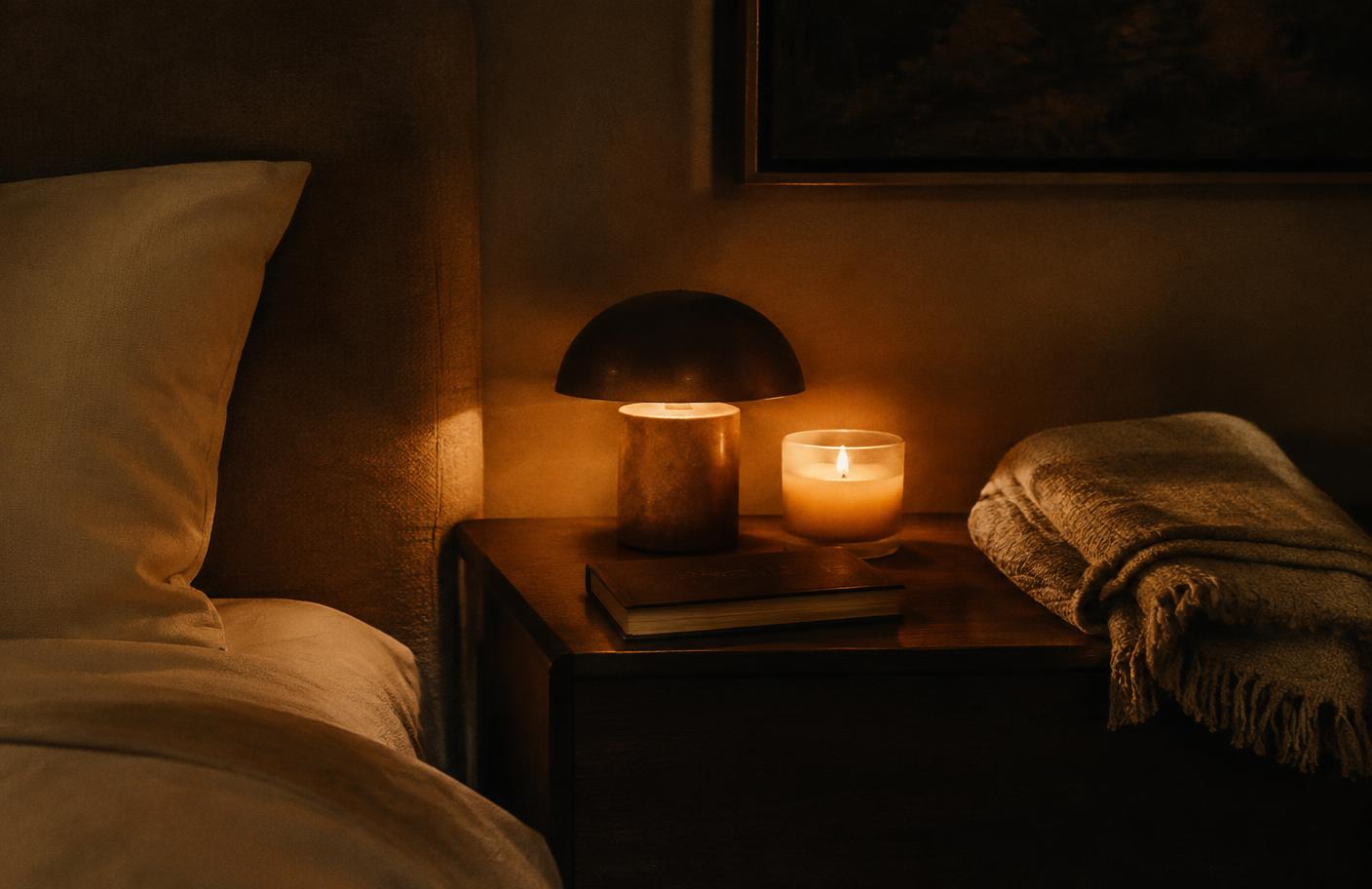
A Sensory Evening Routine for Genuine Wind-Down
The evening version of sensory wellness — dimming light, lowering sound, and using scent and touch to actually downshift before bed.
· 6 min read
You may also like
Sensory Wellness: The Complete Guide to Calming Your Nervous System Through Scent, Sound, Touch and Sight
What sensory wellness actually is, the evidence behind it, and how to build a routine around scent, sound, touch and sight — without adding more to your day.
· 9 min read
A Sensory Evening Routine for Genuine Wind-Down
The evening version of sensory wellness — dimming light, lowering sound, and using scent and touch to actually downshift before bed.
· 6 min read
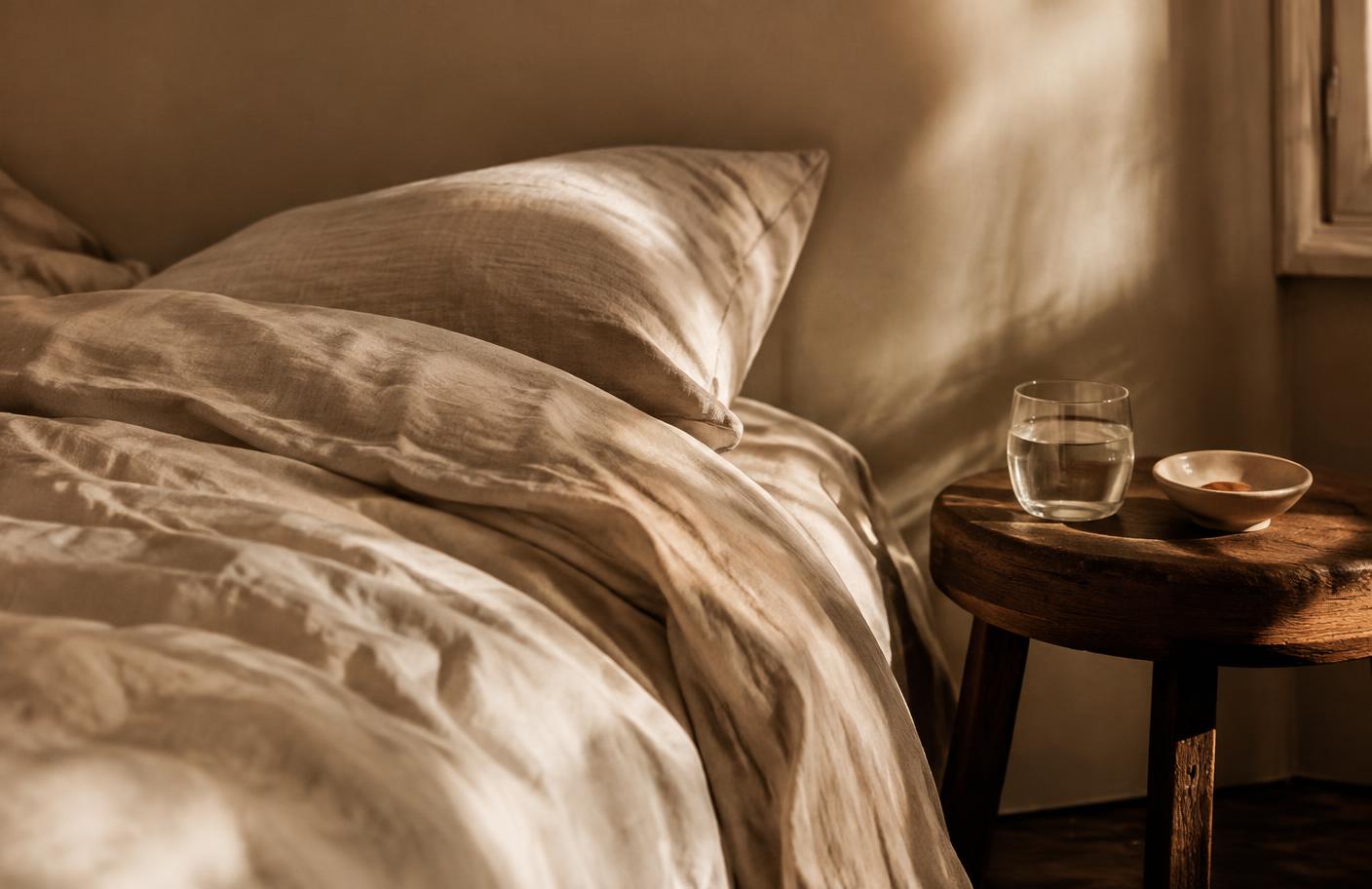
A Sensory Morning Routine (That Doesn't Overstimulate You)
A step-by-step sensory routine built for alertness — light, temperature, sound and scent, in the right order.
· 6 min read
Sensory Resets for High-Stress Days (When You Don't Have 20 Minutes)
Fast, sensory-based ways to interrupt a stress spiral when a full routine is not realistic.
· 6 min read
Sensory Overload vs Sensory Deprivation: Finding Your Balance
More sensory input is not always calming — sometimes it is the opposite. How to tell which side of the line you are on.
· 7 min read

Touch and Texture: The Most Overlooked Sense in Wellness
Touch has a documented calming effect on mood and pain — and it is the sense most wellness routines ignore. Here is how to bring it back in.
· 7 min read