Sound and the Nervous System: Why Music (and Silence) Calm Us
Rhythmic sound has a measurable effect on heart rate and breathing. Here is how to use it deliberately, not just as background noise.
NOUI Collective · · 6 min read
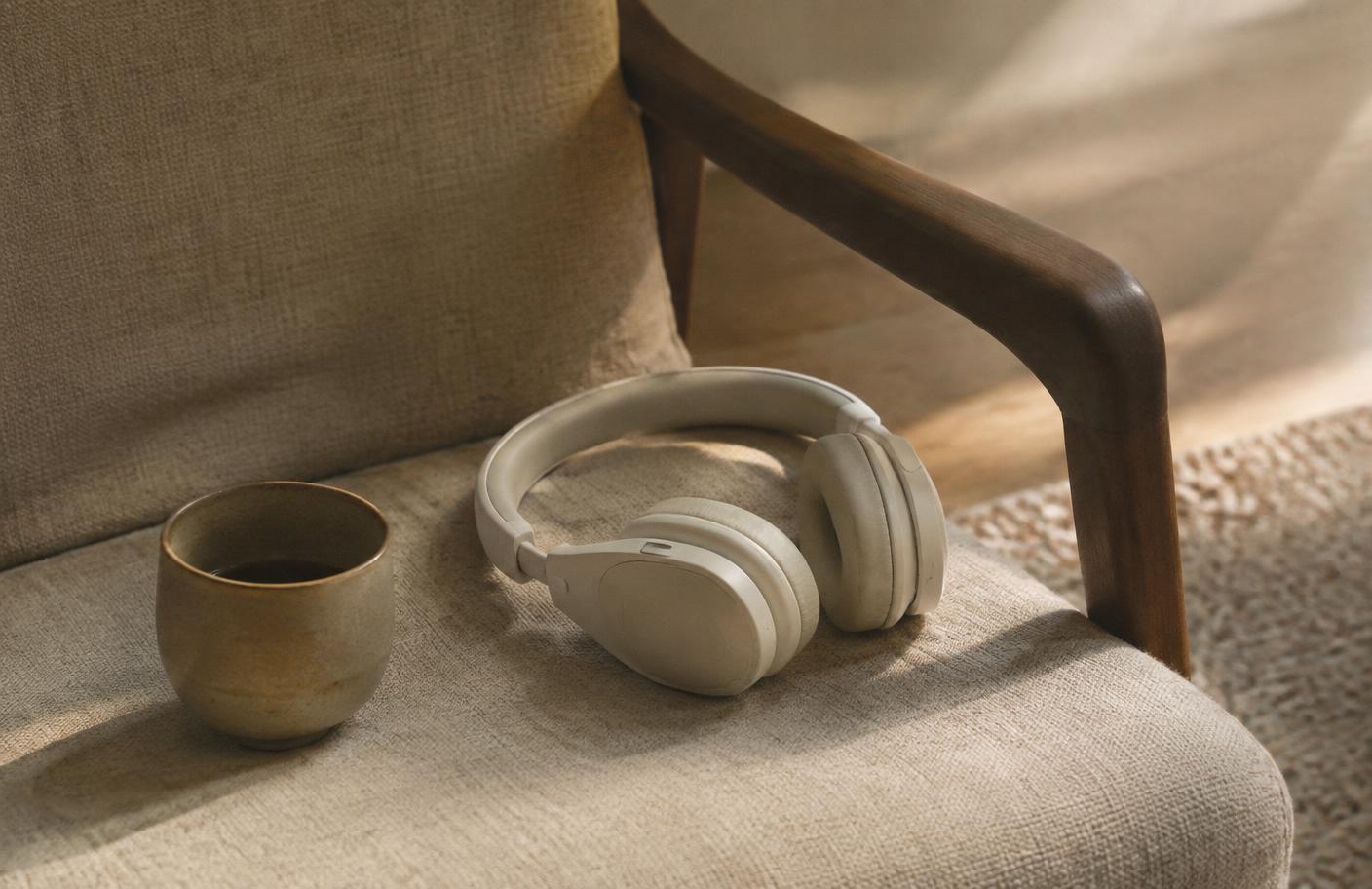
Sound is the sense most of us use constantly and manage least. Music runs in the background of work, commutes and cooking, chosen by habit or algorithm rather than intent. Yet sound is one of the few sensory inputs with a fairly direct physiological effect: rhythm influences breathing, and breathing influences heart rate.
Entrainment: why rhythm changes your body
People tend to synchronise with rhythm. Walking speeds up to a faster track; breathing tends to slow with slow, predictable music. Because heart rate varies with the breath, slowing the breath nudges heart rate variability towards the pattern associated with a calmer, more parasympathetic state.
This is why tempo matters more than genre. A slow ambient track and a slow acoustic ballad can do similar work; a fast track in a genre you find "relaxing" will not. Roughly speaking, music slower than your resting heart rate tends to settle, and music faster tends to lift.
Key takeaways
- Tempo is the active ingredient — slower to settle, faster to lift.
- Predictability calms; surprise alerts. Familiar tracks work better for wind-down than new ones.
- Lyrics compete with language tasks. For focus work, instrumental or steady noise usually wins.
Music, white noise and silence do different jobs
Music works best where you want a mood shift: winding down, lifting a flat morning, getting through a repetitive task.
Steady broadband noise — white, pink or brown noise, a fan, rain — works by masking rather than mood. It flattens the unpredictable sounds that pull attention, which is why it helps in noisy flats, offices and for some people at bedtime. It is a masking tool, not a sedative, and volume should stay comfortable and low.
Silence is underrated and, for some people, the most restorative option. If you have had a day of calls, notifications and background music, more audio input is unlikely to help. Quiet is a legitimate sensory choice, not an absence of one.
General wellbeing information, not medical advice. Persistent tinnitus, sound sensitivity or hearing changes deserve a proper assessment rather than a playlist. Keep headphone volume moderate, particularly for long sessions.
Products worth exploring
From the NOUI catalogue, matched to what this guide covers. Prices come from our live retailer comparison.


Using sound deliberately
- Match tempo to intention. Faster in the morning, slower after dinner, no sudden shifts before bed.
- Give the routine a repeating signal. One album or playlist that always means wind-down becomes a cue over time, in the same way a scent anchor does.
- Cut lyrics for language-heavy work. Writing and reading compete with words being sung at you.
- Notice the total load. Music plus notifications plus television in another room is three sound sources, and one of them can go.
- Pair sound with one other sense. Warm water, dimmed light or firm touch alongside slow sound does more than any of them alone.
The practical shape of this differs by time of day: see the sensory morning routine and the sensory evening routine for the sequences that work best at each end of the day, and sensory wellness for how sound sits alongside the other senses.
If you would rather work from breath than from audio, box breathing and extended exhale breathing achieve a similar slowing without any sound at all.
Coming next
Put it into a routine
Sound is easiest to use at the edges of the day. [Morning sequence](/blog/sensory-morning-routine) · [Evening sequence](/blog/sensory-evening-routine)
Frequently asked questions
Does music actually lower stress?
It reliably lowers self-reported stress in many studies, and slow-tempo music is associated with slower breathing and modest shifts in heart rate. Claims about specific cortisol reductions are less consistent across trials, so slow music is best framed as helpful rather than as a measurable intervention.
Is white noise or music better for sleep?
They do different things. White noise masks disruptive sounds, which helps in noisy environments. Music can help you wind down before bed but may keep some people engaged rather than drifting off. Trying each for a week is more useful than the general answer.
What tempo is best for relaxation?
Something slower than your resting heart rate, broadly in the 60 to 80 beats per minute range, and consistent rather than dynamic. Predictability matters as much as speed.
Is silence better than any sound?
Sometimes. After a day of heavy audio input, quiet is often the most restorative option. Sensory wellness includes removing input, not only adding it.
From the NOUI catalogue
Explore relevant products
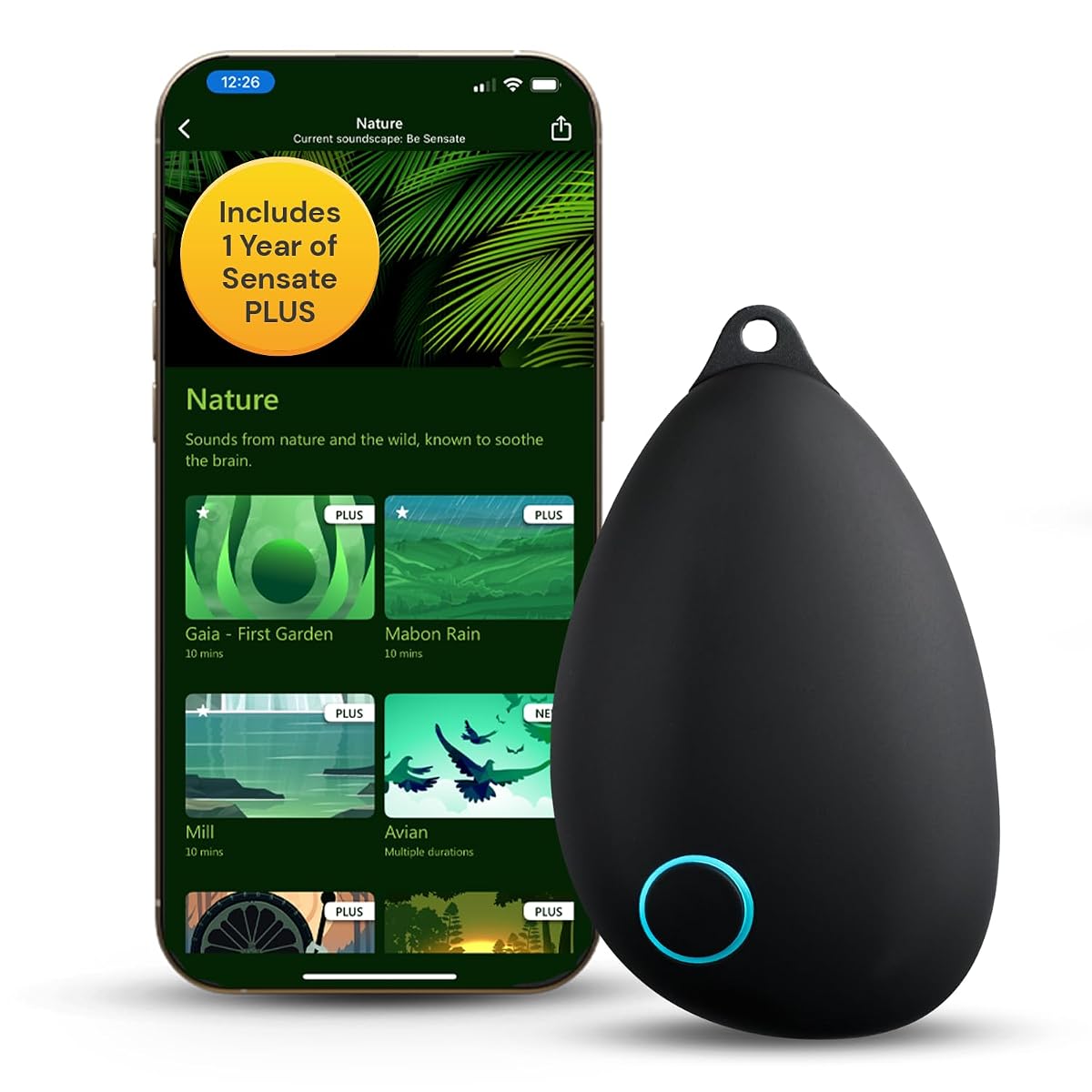
Matched to what this guide covers. Prices come from our live retailer comparison, not from this article.

Keep exploring
Treatments and rituals to read next
- Reflexology
A structured pressure massage of the feet, and sometimes hands and ears, based on the traditional idea that areas of the foot map to the body.
- Box breathing practice
A four-count breathing pattern you can do anywhere to slow a racing nervous system.
- Float therapy
Floating in a shallow pool or pod of heavily salted, skin-temperature water, usually in darkness and quiet.
More from this NOUI Edit
Sensory Wellness
Scent, sound, touch and sight as pathways into the nervous system

Sensory Wellness: The Complete Guide to Calming Your Nervous System Through Scent, Sound, Touch and Sight
What sensory wellness actually is, the evidence behind it, and how to build a routine around scent, sound, touch and sight — without adding more to your day.
· 9 min read

Sensory Resets for High-Stress Days (When You Don't Have 20 Minutes)
Fast, sensory-based ways to interrupt a stress spiral when a full routine is not realistic.
· 6 min read

Sensory Overload vs Sensory Deprivation: Finding Your Balance
More sensory input is not always calming — sometimes it is the opposite. How to tell which side of the line you are on.
· 7 min read
A Sensory Evening Routine for Genuine Wind-Down
The evening version of sensory wellness — dimming light, lowering sound, and using scent and touch to actually downshift before bed.
· 6 min read
You may also like
Sensory Wellness: The Complete Guide to Calming Your Nervous System Through Scent, Sound, Touch and Sight
What sensory wellness actually is, the evidence behind it, and how to build a routine around scent, sound, touch and sight — without adding more to your day.
· 9 min read

A Sensory Morning Routine (That Doesn't Overstimulate You)
A step-by-step sensory routine built for alertness — light, temperature, sound and scent, in the right order.
· 6 min read
A Sensory Evening Routine for Genuine Wind-Down
The evening version of sensory wellness — dimming light, lowering sound, and using scent and touch to actually downshift before bed.
· 6 min read
Sensory Resets for High-Stress Days (When You Don't Have 20 Minutes)
Fast, sensory-based ways to interrupt a stress spiral when a full routine is not realistic.
· 6 min read
Sensory Overload vs Sensory Deprivation: Finding Your Balance
More sensory input is not always calming — sometimes it is the opposite. How to tell which side of the line you are on.
· 7 min read

Visual Wellness: How Light, Colour and Clutter Affect Your Mind
What you look at all day shapes your mood more than you would think. The evidence on light, colour and clutter — and small changes that actually help.
· 7 min read