Snail Mucin: Slime or Skincare Staple?
It sounds strange and it photographs worse. Snail mucin is also one of the better-studied hydrating ingredients to come out of K-beauty — here is what is actually in it, who it suits, and where it goes in a routine.
Noui Collective · · 6 min read
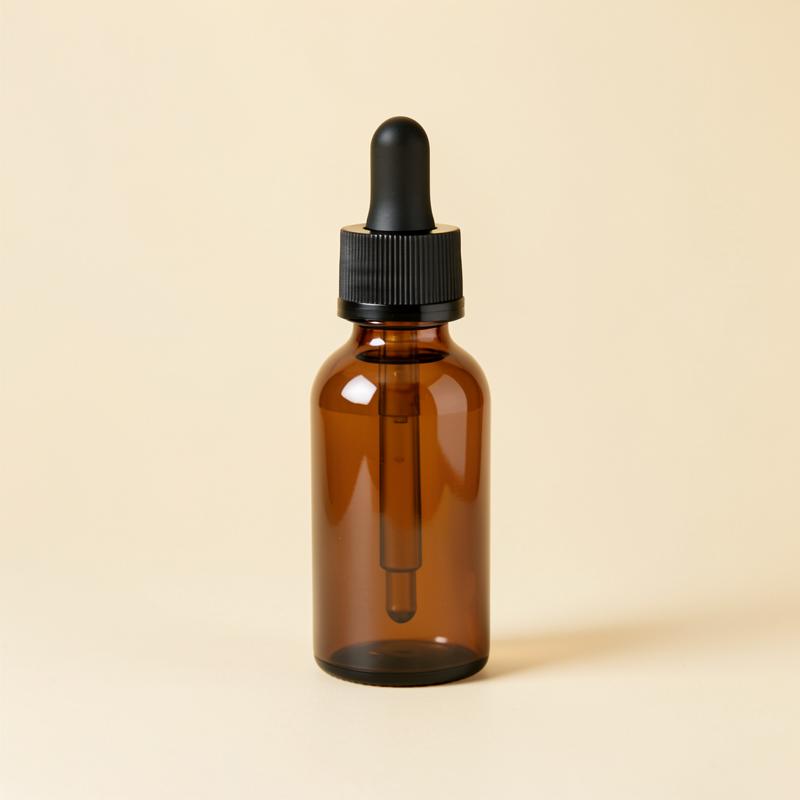
Let us be honest about the first impression: a bottle of clear, stretchy slime is not an easy sell. Snail mucin has spent a decade being the ingredient people try quietly and then keep buying, because behind the texture is one of the more sensibly researched hydrating ingredients to come out of K-beauty. It is not a miracle and it will not replace your retinoid. It earns a permanent place in a routine for a duller reason — it hydrates, it is comfortable, and it plays nicely with everything else.
What is snail mucin, actually?
Snail mucin — usually listed as snail secretion filtrate — is the fluid snails produce to move, hold water and repair their own shell and skin. That last part is why it caught cosmetic interest: it is a repair medium by function, not by marketing.
For skincare it is collected from live snails in controlled conditions and the snails are not harmed in the process; the raw secretion is then filtered and standardised before it reaches a formula. In finished products it usually appears in a lightweight essence or a slightly cushioned cream, often at a high percentage, sitting near the top of the ingredients list rather than as a token inclusion.
Snail secretion filtrate is a cosmetic hydrating and conditioning ingredient. It is not a treatment for any skin condition, and anything persistent — painful breakouts, spreading redness, anything changing — belongs with a GP or dermatologist rather than a serum.
What's inside it
Snail mucin is a mixture rather than a single molecule, which is most of its appeal. Three components do the recognisable work, and each one already has a track record in its own right among the ingredients worth keeping in a routine:
- [Hyaluronic acid](/ingredient/hyaluronic-acid) — hydration. A humectant that holds water in the upper layers of skin, which is why mucin feels plumping within minutes rather than weeks.
- Glycoproteins — repair. Protein-sugar complexes that condition the surface and support skin that is recovering from over-exfoliation, retinoid adjustment or a rough winter.
- Antioxidants — protection. Naturally present in the filtrate, contributing to the ingredient's soothing, low-irritation reputation. Supportive, not a substitute for sunscreen.
Three jobs, one ingredient.
That combination is the honest reason it survives in routines. Most hydrating ingredients do one thing well; this one covers hydration, comfort and a little surface repair in a single, unglamorous step.
Who it's for
Snail mucin suits dehydrated skin, skin with visible texture, and skin in the settling-down phase after breakouts — the point where you want comfort without adding another active. It is gentle enough for twice-daily use and hydrating enough that it often lets you cut a step rather than add one, which is usually the more useful trade.
It is a reasonable choice if your skin is tight by mid-afternoon, if a strong retinoid or acid has left things feeling raw, or if your routine has quietly grown to seven steps and you want fewer. It is less exciting if your skin is already comfortable and well hydrated, and it is not the answer to pigmentation or fine lines — different jobs, different ingredients. If you have a shellfish or mollusc allergy, or reactive skin generally, patch test on the jaw for a few days first.
Products worth exploring
From the Noui catalogue, matched to what this guide covers. Prices come from our live retailer comparison.

How to use it
The order is unremarkable, which is the point:
1. Cleanse. Lukewarm water, nothing stripping. 2. Snail mucin. A few drops or a thin layer onto skin that is still slightly damp — that is when a humectant has water to hold on to. Pat rather than rub; it is tacky for about a minute and then it is not. 3. Moisturiser. Seals the hydration in. Sunscreen over the top in the morning.
It layers well with most other actives. Because it is hydrating rather than exfoliating, it sits comfortably under or after niacinamide, peptides and — for most people — a retinoid, where it often makes the retinoid easier to tolerate. Two sensible cautions: give strong acids their own moment rather than mixing them into the same layer, and if you are introducing several things at once, add one at a time so you know what helped. Supporting your barrier is a slow-moving project, and sleep and consistency do more for it than any single bottle.
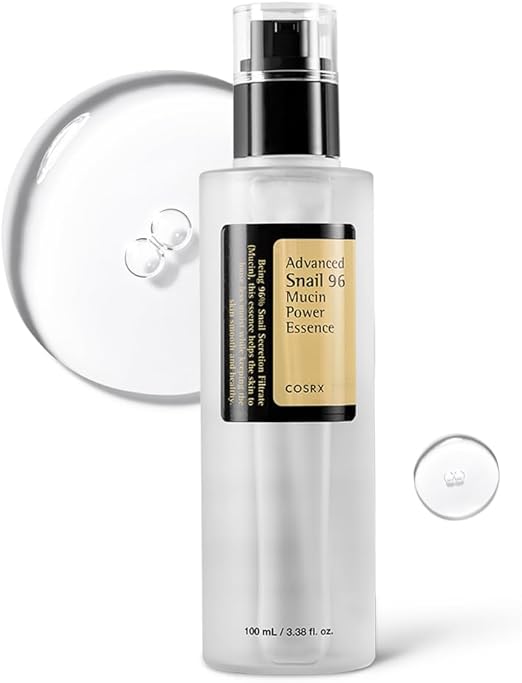
Both of the mucin products in our edit below are high-percentage essences of this type, and either works in the position described above.
The bigger picture
Hydrated skin is easier to keep comfortable, and comfortable skin tolerates the things that actually change it. That is the whole case for an ingredient like this: it is a foundation, not a headline. Our pillar guide Skin Longevity: What Does It Actually Mean for Your Skin? sets out where a step like this fits against the ones doing the heavier lifting.
It is also worth remembering that skin doesn't work in isolation — the four things we cover here, skin, hair, body and wellness, run into each other constantly. Sleep quality shows up in your barrier, stress shows up in your flushing, and no essence outperforms a week of decent rest.
Noui's verdict
- Worth it: Yes, if your skin is dehydrated, textured or recovering — as a hydrating step, not a treatment.
- Where it goes: Cleanse, snail mucin, moisturiser. Damp skin, thin layer, sunscreen in the morning.
- Keep expectations honest: Comfort and hydration within days; nothing here targets pigmentation or lines.
- Next step: Tell us how your skin actually behaves and the [free skin profile](/analysis/skin) will find my products that suit it — including where a mucin essence does and does not make sense for you.
Related reading
From the Noui catalogue
Explore relevant products
Matched to what this guide covers. Prices come from our live retailer comparison, not from this article.

The Ordinary
Retinol 0.2% in Squalane
30ml
Targets dryness and fine lines · formulated with squalane and retinol
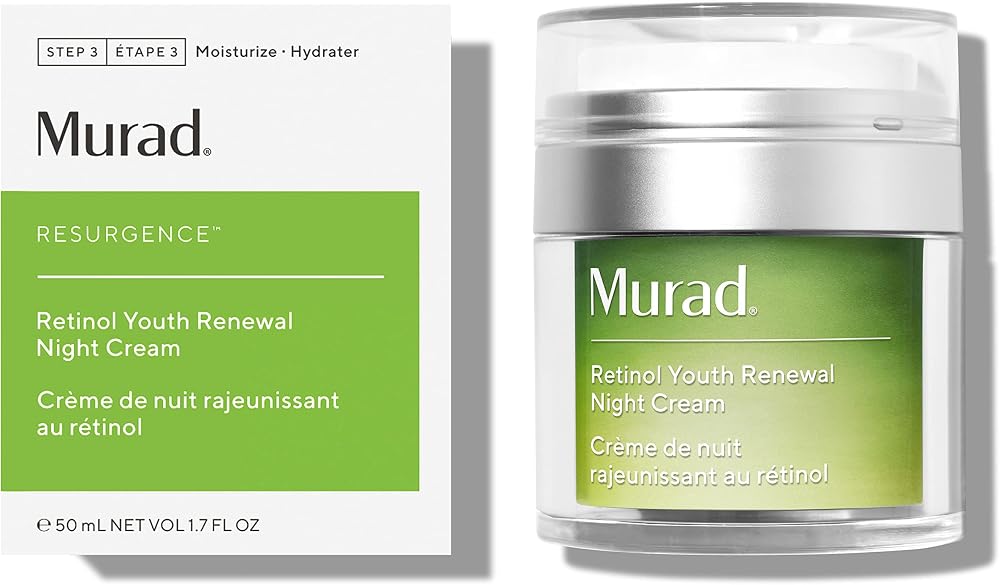
Murad
Retinol Youth Renewal Night Cream
50ml
Targets fine lines and visible signs of ageing · formulated with hyaluronic acid and retinol

Gold Bond
Age Renew Retinol Overnight Body & Face Lotion
385ml · 4.3★ (9,500)
Targets dryness and fine lines · formulated with retinol

La Roche-Posay
Anthelios UVMune 400 Hydrating Cream SPF50+
50ml
Targets dehydration and fine lines · formulated with hyaluronic acid
Keep exploring
Treatments and rituals to read next
- Injectable skin boosters
A prescriber places small injections of stabilised hyaluronic acid across an area of skin. This is a medical procedure, not a facial.
- Microneedling (collagen induction)
A device passes very fine needles through the skin at a controlled depth to create tiny channels.
- RF microneedling
Microneedling combined with radiofrequency energy delivered from the needle tips into the deeper skin.
More from this Noui Edit
Skin Longevity
The shift from reversing ageing to protecting skin health
Skin Longevity: What Does It Actually Mean for Your Skin?
Skin longevity is one of beauty's biggest shifts in 2026. But is it just a new name for anti-ageing — or is there more to it?
· 8 min read
The Best Ingredients for Skin Longevity: What Actually Deserves a Place in Your Routine?
Skin longevity is becoming one of the biggest ideas in beauty. But which skincare ingredients are actually worth your time — and your money?
· 12 min read
PDRN, Exosomes & Peptides: What’s the Difference?
Three of the biggest names in next-generation skincare — but PDRN, exosomes and peptides are very different technologies.
· 11 min read
Skincare for Rosacea-Prone Skin: What Helps, What Hurts
Rosacea is a medical condition, and treating it is a job for a clinician. Your routine still matters. Here is what the evidence supports for skin that flushes, stings and reacts.
· 8 min read
You may also like
Skin Longevity: What Does It Actually Mean for Your Skin?
Skin longevity is one of beauty's biggest shifts in 2026. But is it just a new name for anti-ageing — or is there more to it?
· 8 min read
The Best Ingredients for Skin Longevity: What Actually Deserves a Place in Your Routine?
Skin longevity is becoming one of the biggest ideas in beauty. But which skincare ingredients are actually worth your time — and your money?
· 12 min read

Sleep and Skin Barrier Repair: Why Rest Is Part of Your Routine
Barrier repair runs overnight. What sleep research supports for skin, and how to make the hours you already have count for more.
· 7 min read
Exosomes & PDRN: What's Proven vs What's Still Being Tested
Two regenerative ingredients, two very different evidence bases. What exosomes and PDRN are, what the studies support, and what is still marketing.
· 8 min read
How to Do Skin Cycling Correctly (Without Wrecking Your Barrier)
Skin cycling is a scheduling trick, not an ingredient. Done properly it stops the over-exfoliation spiral. Done badly it just moves the damage to a different night.
· 8 min read
Can Peptides Really Stimulate Collagen? What the Science Says
Peptides are sold on the promise of collagen. Here is what laboratory and human research actually shows, where the evidence is still thin, and how to read a peptide claim without being sold a story.
· 9 min read