How to Do Skin Cycling Correctly (Without Wrecking Your Barrier)
Skin cycling is a scheduling trick, not an ingredient. Done properly it stops the over-exfoliation spiral. Done badly it just moves the damage to a different night.
Noui Collective · · 8 min read
Skin cycling is the most useful trend of the last few years, largely because it is not a product. It is a four-night rota: exfoliate, retinoid, recover, recover. The value is in the recovery nights, which is exactly the part people delete first.
The four nights
- Night one — exfoliate. One acid, one application. An glycolic acid or lactic acid product for texture and dullness; a BHA if you are congested.
- Night two — retinoid. Your usual strength, on dry skin, moisturiser after.
- Nights three and four — recover. Cleanse, hydrate, seal. Hyaluronic acid under an emollient, ceramides in the moisturiser, nothing that tingles.
Then repeat. SPF every morning, regardless of which night you are on.
Why the recovery nights matter
Exfoliants and retinoids both increase cell turnover and both temporarily disturb the barrier. The barrier repairs itself over roughly two to three days. A rota that gives it those days is the whole mechanism. Without them, you are running two disruptive actives on an unrepaired surface and calling it a routine.
The tell-tale signs you have skipped too many recovery nights: tightness after cleansing, stinging from products that used to be fine, a shiny, over-smooth look that photographs well and feels tender.
Noui explainer
Cycling is a starting grid, not a life sentence
Four nights suits most people beginning with actives. Tolerant skin often moves to retinoid on more nights and acid less often. Reactive skin does better on a longer cycle with two acids a month. Adjust the rota to the skin you have.
Products worth exploring
From the Noui catalogue, matched to what this guide covers. Prices come from our live retailer comparison.

COSRX
The Retinol 0.1 Cream
20ml
Targets fine lines and visible signs of ageing · formulated with retinol

First Aid Beauty
KP Bump Eraser Body Scrub 10% AHA
Targets texture and keratosis pilaris (rough bumps) · formulated with glycolic acid and salicylic acid
Common ways it goes wrong
- Stacking a scrub on top of the acid night because it "does not count".
- Using a strong acid toner every day and cycling only the retinoid.
- Treating recovery nights as nothing nights and skipping moisturiser.
- Starting cycling on already-irritated skin. Repair first, then schedule.
If you use a prescription retinoid
Follow the prescriber's instructions over any internet rota. Cycling was designed around cosmetic retinoids; prescription tretinoin and adapalene have their own escalation patterns, and adding acids to them is a decision to make with the person who prescribed it.
Cosmetic information only. Persistent irritation, burning or peeling that does not settle within a few days of stopping actives is worth professional advice.
Noui's verdict
- Worth doing, mainly because it enforces rest. If you only take one thing from it, take the recovery nights. Choosing between retinoid strengths first? [Retinal vs retinol](/blog/retinal-vs-retinol) covers which to cycle with.
From the Noui catalogue
Explore relevant products
Matched to what this guide covers. Prices come from our live retailer comparison, not from this article.
COSRX
The Retinol 0.1 Cream
20ml
Targets fine lines and visible signs of ageing · formulated with retinol
First Aid Beauty
KP Bump Eraser Body Scrub 10% AHA
Targets texture and keratosis pilaris (rough bumps) · formulated with glycolic acid and salicylic acid

The Ordinary
AHA 30% + BHA 2% Peeling Solution
30ml
Targets texture and dullness · formulated with glycolic acid and salicylic acid

CeraVe
Resurfacing Retinol Serum
30ml
Targets fine lines and visible signs of ageing · formulated with retinol

Paula's Choice
Clinical 6% Mandelic Acid + 2% Lactic Acid Exfoliant
88ml
Targets texture and dullness · formulated with lactic acid and mandelic acid
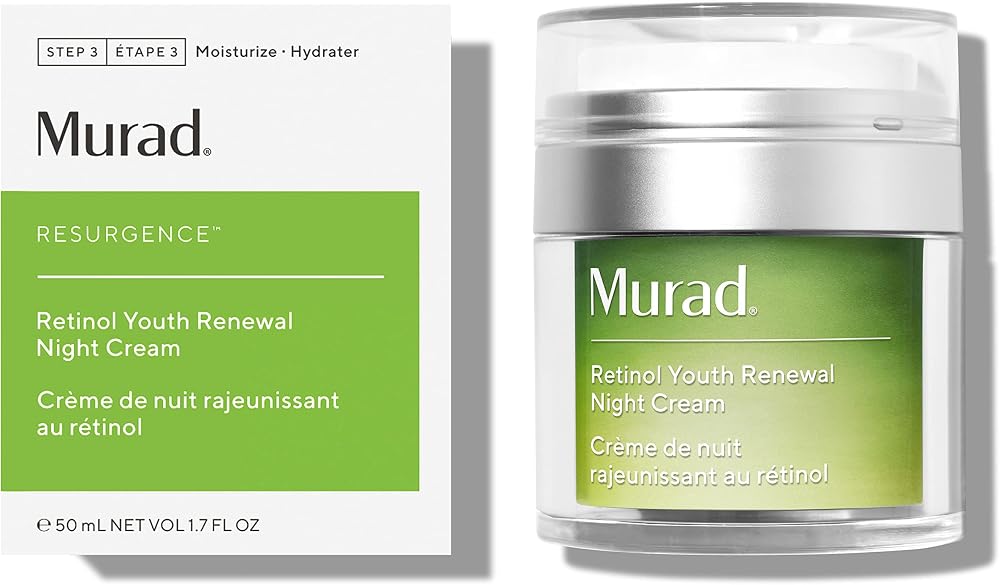
Murad
Retinol Youth Renewal Night Cream
50ml
Targets fine lines and visible signs of ageing · formulated with retinol
Keep exploring
Treatments and rituals to read next
- Professional chemical peel
A controlled acid solution is applied by a professional to exfoliate the surface layers more deeply than a home product.
- Microneedling (collagen induction)
A device passes very fine needles through the skin at a controlled depth to create tiny channels.
- RF microneedling
Microneedling combined with radiofrequency energy delivered from the needle tips into the deeper skin.
More from this Noui Edit
Skin Longevity
The shift from reversing ageing to protecting skin health
Skin Longevity: What Does It Actually Mean for Your Skin?
Skin longevity is one of beauty's biggest shifts in 2026. But is it just a new name for anti-ageing — or is there more to it?
· 8 min read
Skincare for Rosacea-Prone Skin: What Helps, What Hurts
Rosacea is a medical condition, and treating it is a job for a clinician. Your routine still matters. Here is what the evidence supports for skin that flushes, stings and reacts.
· 8 min read

Sleep and Skin Barrier Repair: Why Rest Is Part of Your Routine
Barrier repair runs overnight. What sleep research supports for skin, and how to make the hours you already have count for more.
· 7 min read

Cortisol Face: What's Real and What's Exaggerated
Stress does affect skin. "Cortisol face" as a diagnosis you can spot in a selfie is a social-media invention. Here is the line between the two.
· 7 min read
You may also like
Retinal vs retinol: which should you actually use?
One is faster acting. One is gentler. Neither is right for everyone.
· 5 min read
Skin Longevity: What Does It Actually Mean for Your Skin?
Skin longevity is one of beauty's biggest shifts in 2026. But is it just a new name for anti-ageing — or is there more to it?
· 8 min read
Exosomes & PDRN: What's Proven vs What's Still Being Tested
Two regenerative ingredients, two very different evidence bases. What exosomes and PDRN are, what the studies support, and what is still marketing.
· 8 min read
Can Peptides Really Stimulate Collagen? What the Science Says
Peptides are sold on the promise of collagen. Here is what laboratory and human research actually shows, where the evidence is still thin, and how to read a peptide claim without being sold a story.
· 9 min read
Retinol vs Peptides: Which Is Better for Your Skin?
Two of the biggest names in modern anti-ageing skincare — but should you choose retinol or peptides? We compare the evidence, the irritation risk and whether you need both.
· 10 min read
Copper Peptides (GHK-Cu): What Does the Evidence Actually Say?
Copper peptides are having a major moment in skincare. But behind the futuristic packaging and "skin regeneration" claims, what does the science actually tell us?
· 10 min read