Hypochlorous Acid: The Gentle Toner Replacement, Explained
A wound-care ingredient turned mist. What hypochlorous acid does, who it suits, and why it is a supporting act rather than a routine.
Noui Collective · · 7 min read
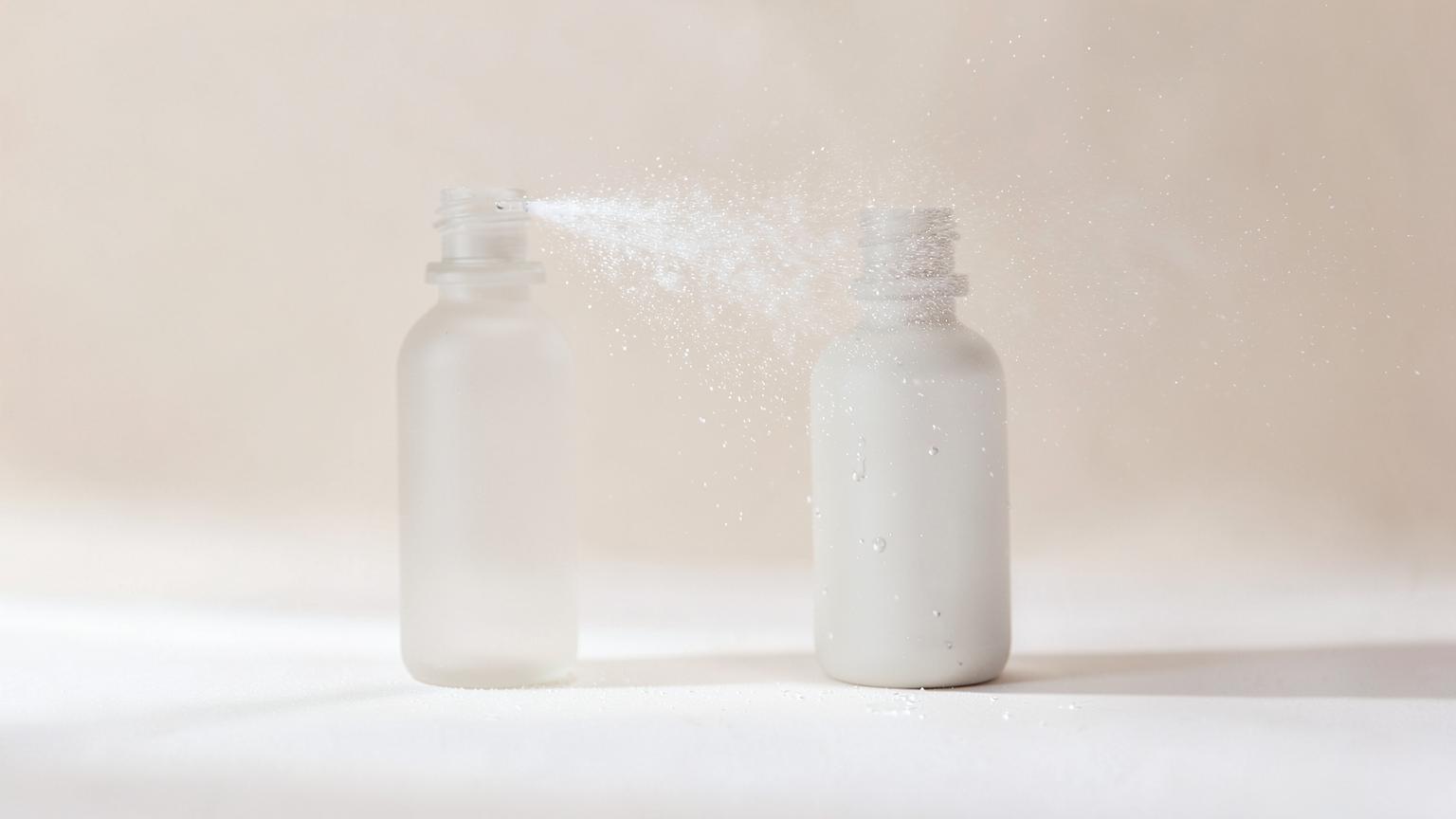
Hypochlorous acid spent years in clinical settings — wound irrigation, eyelid hygiene, post-procedure care — before it arrived in a spray bottle marketed as the new toner. That history is the reason it is interesting, and also the reason expectations need trimming.
What it is
The body makes hypochlorous acid inside immune cells. Cosmetic versions are dilute, stabilised solutions at skin-friendly pH. It is antimicrobial without being a detergent, which is unusual: most things that reduce surface bacteria also strip lipids.
What it realistically does
- Reduces surface microbes, which can help sweaty, mask-worn or post-gym skin.
- Sits well after procedures and on inflamed, reactive skin because it is not acidic in the exfoliating sense and contains no fragrance.
- Feels cooling. That is not nothing when skin is irritated.
What it does not do: exfoliate, brighten, treat pigmentation, or replace an active. It is closer to a clean, kind rinse than a treatment.
Noui explainer
Handle it like fresh produce
Hypochlorous acid is unstable. It degrades with light, heat and time, so buy small, keep it out of the sun, and replace it rather than nursing a bottle for a year.
Products worth exploring
From the Noui catalogue, matched to what this guide covers. Prices come from our live retailer comparison.

Medik8
Clarifying Foam AHA/BHA Cleanser
150ml
Targets breakouts and congestion / blackheads · formulated with salicylic acid

Who it suits
Reactive, breakout-prone and post-treatment skin get the most from it. If your barrier is already comfortable and your routine is working, it is a nice-to-have.
For active breakouts, azelaic acid has considerably more evidence behind it, and it treats both bumps and the redness left behind. For general reactivity and barrier calm, centella is the better-studied soother.
How to use it without wasting it
- Mist onto clean skin and let it dry — do not towel it off.
- Use it before leave-on steps, not as a hydrating layer. It contains no humectants worth counting.
- If you are layering actives, it does not need to be part of the equation. It will not deactivate them, but it will not boost them either.
Cosmetic information only, and not a treatment for skin infections or eye conditions. Persistent, painful or spreading breakouts deserve medical review.
The honest positioning
It is a well-tolerated, mildly antimicrobial mist with a real clinical pedigree and no meaningful downside. It is also the sort of product that quietly replaces the step it should be complementing. If you find yourself misting instead of moisturising, the routine has drifted.
Noui's verdict
- Worth it as a gentle extra for reactive or breakout-prone skin, especially after sport or in-clinic treatments. Not a toner in the exfoliating sense, and not a substitute for an active. If you are auditing which steps genuinely earn their place, [our vitamin C verdict](/blog/is-vitamin-c-worth-it) is a useful comparison.
From the Noui catalogue
Explore relevant products
Matched to what this guide covers. Prices come from our live retailer comparison, not from this article.
Medik8
Clarifying Foam AHA/BHA Cleanser
150ml
Targets breakouts and congestion / blackheads · formulated with salicylic acid

Avène
Cicalfate+ Restorative Protective Cream
100ml
Targets redness and compromised barrier · formulated with centella

La Roche-Posay
Cicaplast Baume B5+
100ml
Targets redness and compromised barrier · formulated with centella

Anua
Heartleaf Pore Control Cleansing Oil
200ml
Targets redness and compromised barrier · formulated with centella

The Ordinary
AHA 30% + BHA 2% Peeling Solution
30ml
Targets breakouts and excess oil · formulated with salicylic acid
Keep exploring
Treatments and rituals to read next
- LED light therapy (in clinic)
Sessions under a professional LED panel using red, blue or near-infrared wavelengths, often added to a facial.
- Professional chemical peel
A controlled acid solution is applied by a professional to exfoliate the surface layers more deeply than a home product.
- At-home LED mask
A wearable mask or panel that delivers lower-intensity LED light in short sessions at home.
More from this Noui Edit
Skin Longevity
The shift from reversing ageing to protecting skin health
Skin Longevity: What Does It Actually Mean for Your Skin?
Skin longevity is one of beauty's biggest shifts in 2026. But is it just a new name for anti-ageing — or is there more to it?
· 8 min read
Skincare for Rosacea-Prone Skin: What Helps, What Hurts
Rosacea is a medical condition, and treating it is a job for a clinician. Your routine still matters. Here is what the evidence supports for skin that flushes, stings and reacts.
· 8 min read
Sleep and Skin Barrier Repair: Why Rest Is Part of Your Routine
Barrier repair runs overnight. What sleep research supports for skin, and how to make the hours you already have count for more.
· 7 min read
Cortisol Face: What's Real and What's Exaggerated
Stress does affect skin. "Cortisol face" as a diagnosis you can spot in a selfie is a social-media invention. Here is the line between the two.
· 7 min read
You may also like
Skin Longevity: What Does It Actually Mean for Your Skin?
Skin longevity is one of beauty's biggest shifts in 2026. But is it just a new name for anti-ageing — or is there more to it?
· 8 min read
Is an expensive vitamin C serum actually worth it?
We compare a £49 stabilised vitamin C with a £6 alternative and look at what you are really paying for.
· 5 min read
The Gut-Skin Axis, Fact-Checked
The gut and skin do communicate. That does not mean your breakouts are a leaky gut, or that a probiotic is a skincare step.
· 8 min read
Retinol vs Peptides: Which Is Better for Your Skin?
Two of the biggest names in modern anti-ageing skincare — but should you choose retinol or peptides? We compare the evidence, the irritation risk and whether you need both.
· 10 min read
Skincare for Rosacea-Prone Skin: What Helps, What Hurts
Rosacea is a medical condition, and treating it is a job for a clinician. Your routine still matters. Here is what the evidence supports for skin that flushes, stings and reacts.
· 8 min read
Peptides in Skincare: What Do They Actually Do?
Peptides are everywhere in skincare right now. But what are they actually doing for your skin — and are they worth paying more for?
· 9 min read