How Stress Shows Up in Your Skin and Hair
Last reviewed:
Breakouts, flare-ups and hair shedding can all be linked to stress. Here's what the research says about stress, skin and hair — and what actually helps.
NOUI Collective · · 3 min read
You've probably noticed it: a big week at work, and suddenly your skin is breaking out. Or a few months after a stressful time, your hair seems to be coming out in the shower.
It's not in your head. Stress genuinely shows up on the outside — here's how.
Stress and your skin barrier
Your skin barrier keeps moisture in and irritants out. When you're under ongoing stress, your body produces more cortisol, which can slow the barrier's ability to repair itself.
A slower-repairing barrier can mean more dryness, sensitivity and redness — and products that normally feel fine may suddenly sting.
Stress and breakouts
Stress doesn't directly "cause" acne, but it can make it worse. Stress hormones can increase oil production and inflammation.
Stress is also linked to flare-ups of eczema, psoriasis and rosacea for many people.
Stress and hair shedding
This is the one that catches people out. A significant stressor — illness, a bereavement, a big life change, burnout — can push more hair follicles into their resting phase at once. This is called telogen effluvium.
The key thing: the shedding usually shows up around two to three months after the stressful event, which is why people rarely connect the two. The good news is it's usually temporary, and hair typically regrows once the trigger has passed.
For more on supporting your scalp, see our Scalp Health guide.
What actually helps
For your skin
- Simplify your routine during stressful periods — gentle cleanser, moisturiser, SPF.
- Pause strong actives (retinoids, acids) if your skin is suddenly sensitive.
- Prioritise sleep: poor sleep is linked to slower skin barrier recovery too. See sleep and stress.
For your hair
- Be patient — stress-related shedding often settles on its own within months.
- Eat enough overall, including protein and iron-rich foods.
- If shedding continues or you notice patches, see your GP, as other causes (like thyroid issues or low iron) are worth ruling out.
For the root cause
- A daily breathing practice. Five minutes of cyclic sighing is a good start.
- Regular movement and time outdoors.
- Screen boundaries, especially in the evening.
The NOUI take
Your skin and hair are often the first place your body tells you it's been under pressure. Treating the surface helps, but calming the system underneath is what makes the difference last.
Take the NOUI wellness quiz to see how your stress, skin and hair connect.
This article is for general information and isn't medical advice. See your GP or a dermatologist for persistent skin or hair concerns.
References
- Garg, A. et al. (2001). Psychological stress perturbs epidermal permeability barrier homeostasis. Archives of Dermatology.
- Chiu, A. et al. (2003). The response of skin disease to stress: changes in the severity of acne vulgaris as affected by examination stress. Archives of Dermatology.
- Oyetakin-White, P. et al. (2015). Does poor sleep quality affect skin ageing? Clinical and Experimental Dermatology.
Products worth exploring
From the NOUI catalogue, matched to what this guide covers. Prices come from our live retailer comparison.


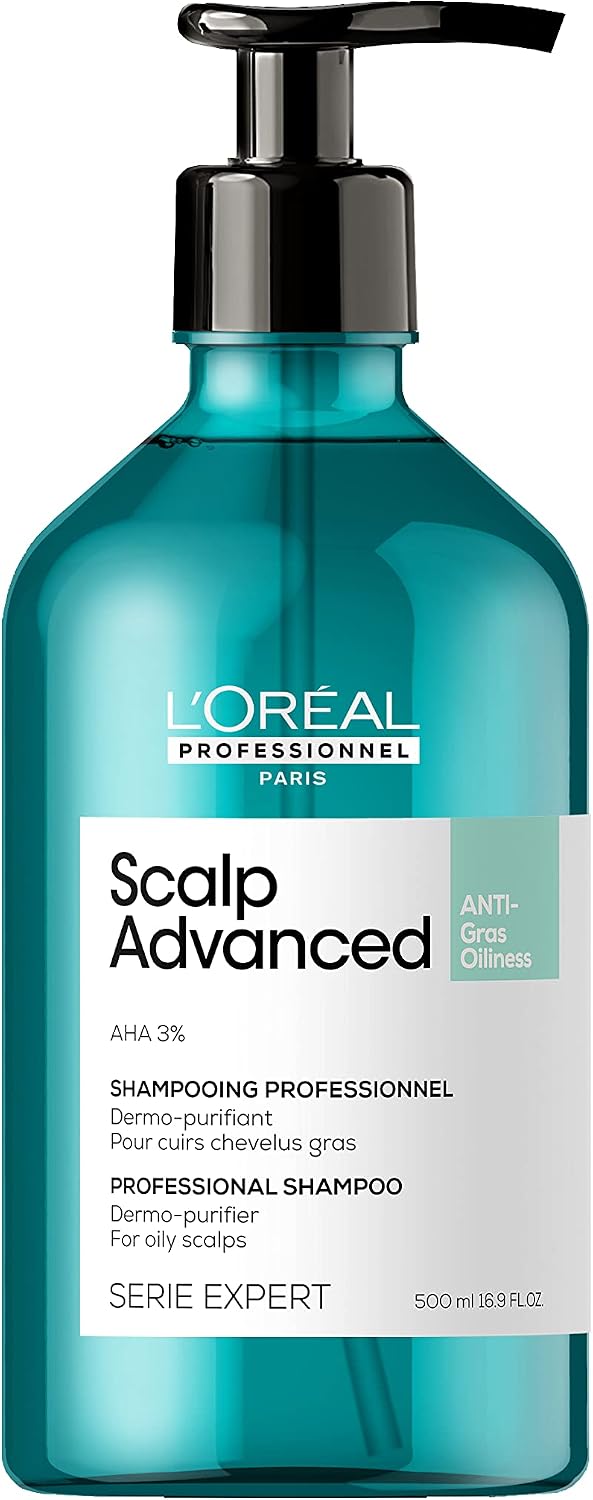
Briogeo
Scalp Revival Charcoal + Coconut Oil Micro-Exfoliating Shampoo
Targets dryness · formulated with salicylic acid
From the NOUI catalogue
Explore relevant products
Matched to what this guide covers. Prices come from our live retailer comparison, not from this article.
Briogeo
Scalp Revival Charcoal + Coconut Oil Micro-Exfoliating Shampoo
Targets dryness · formulated with salicylic acid


CurrentBody
CurrentBody Skin BluePrint Hair Growth Laser Helmet
Targets thinning or shedding and lack of volume
Keep exploring
Treatments and rituals to read next
- Reflexology
A structured pressure massage of the feet, and sometimes hands and ears, based on the traditional idea that areas of the foot map to the body.
- LED light therapy (in clinic)
Sessions under a professional LED panel using red, blue or near-infrared wavelengths, often added to a facial.
- Professional chemical peel
A controlled acid solution is applied by a professional to exfoliate the surface layers more deeply than a home product.
You may also like
Hypochlorous Acid: The Gentle Toner Replacement, Explained
A wound-care ingredient turned mist. What hypochlorous acid does, who it suits, and why it is a supporting act rather than a routine.
· 7 min read
Skin Longevity: What Does It Actually Mean for Your Skin?
Skin longevity is one of beauty's biggest shifts in 2026. But is it just a new name for anti-ageing — or is there more to it?
· 8 min read
What "Nervous System Regulation" Actually Means (and What It Doesn't)
Everyone's talking about "regulating your nervous system." Here's what it actually means, what the research supports, and simple ways to start.
· 3 min read
What Your Phone Is Really Doing to Your Brain and Body
Most of us pick up our phones without even deciding to. A buzz, a spare second, a moment of boredom — and we're in.
· 3 min read
How to Choose a Wellness Escape That Actually Helps
Spa day, bathhouse, retreat or longevity clinic? How to choose a wellness escape that suits what you need, what the evidence says, and how to make the benefits last.
· 4 min read
Sensory Wellness: The Complete Guide to Calming Your Nervous System Through Scent, Sound, Touch and Sight
What sensory wellness actually is, the evidence behind it, and how to build a routine around scent, sound, touch and sight — without adding more to your day.
· 9 min read