Project Pan: The Skincare Trend That Saves Your Skin (and Money)
Finishing what you own is the only skincare trend with no downside. Here is how to run a project pan without ending up with a shelf of decanted disappointments.
Noui Collective · · 6 min read
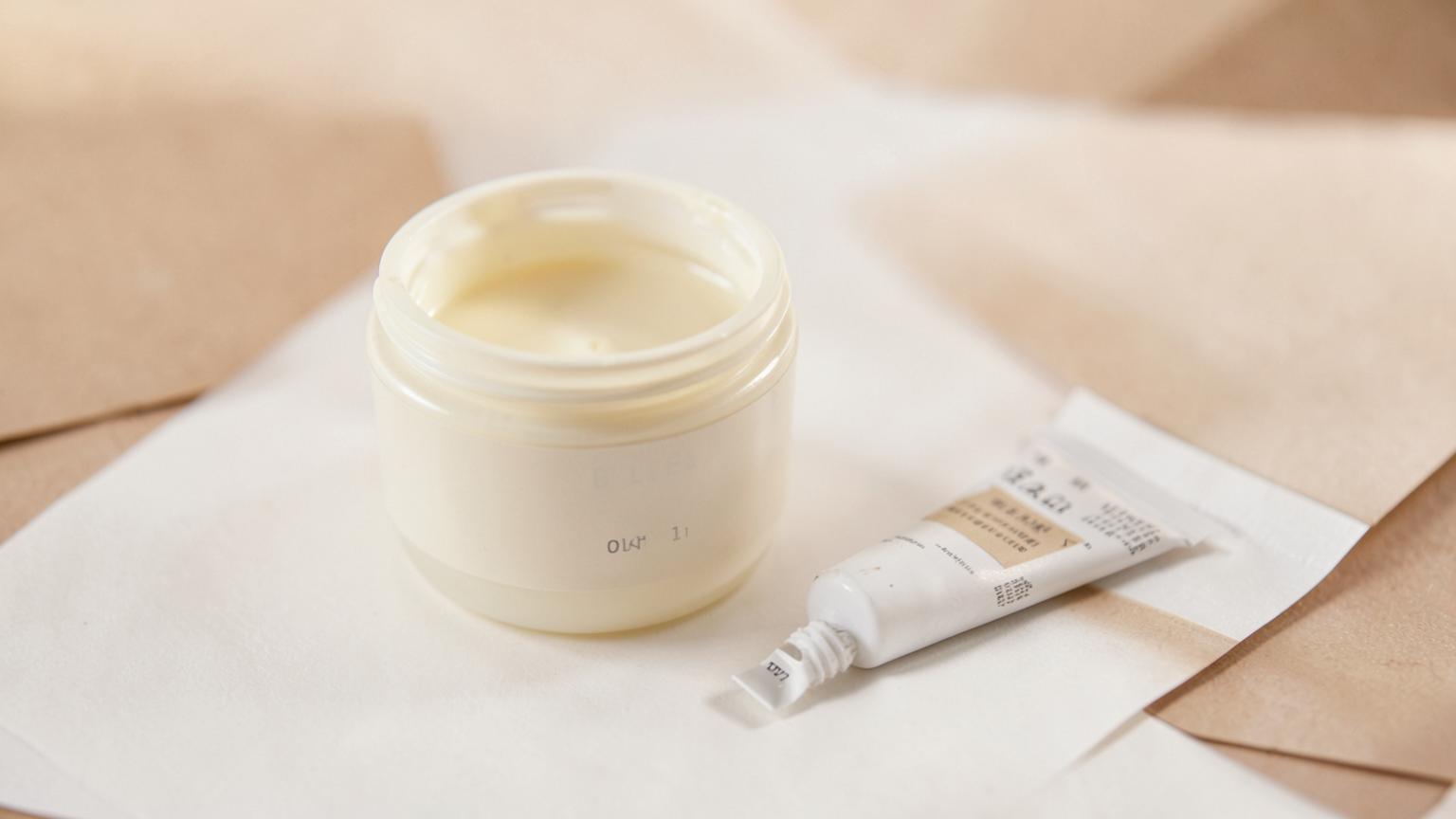
Project pan is simple: use products until you can see the bottom, before buying replacements. It began as a spending discipline on the internet and turned out to be a skincare one, because the most common reason a routine underperforms is that it changes too often.
Why it works on skin, not just budgets
Most actives need eight to twelve weeks to show what they can do. Pigmentation takes longer. A routine that gains a new serum every fortnight never gives anything long enough to be judged, and it makes reactions impossible to attribute — when four things are new, you cannot know which one stung.
Finishing a product does three things: it produces a real verdict, it exposes the steps you never actually reach for, and it stops you paying a premium for novelty.
Running one properly
- Pick five to eight products you genuinely use, including one cleanser, one moisturiser and your SPF.
- Set an end point, not a deadline: empty, or a fixed date if a product is clearly not working.
- Keep a two-line note per product — how your skin looks, whether you reach for it willingly.
- Allow one exception. If something stings, stop. Discipline is not a reason to keep irritating your face.
Noui explainer
The one product to never ration
SPF is the exception to frugality. Under-applying to make a bottle last undoes the protection you bought it for. If a sunscreen is too precious to use generously, it is the wrong sunscreen.
Products worth exploring
From the Noui catalogue, matched to what this guide covers. Prices come from our live retailer comparison.

COSRX
The Retinol 0.1 Cream
20ml
Targets visible signs of ageing and fine lines · formulated with retinol

CeraVe
Resurfacing Retinol Serum
30ml
Targets visible signs of ageing and fine lines · formulated with retinol
What tends to survive the pan
- Cleansers, which get used regardless.
- A moisturiser you like the feel of.
- One retinoid, one vitamin C or one acid — rarely all three.
What usually does not: essences bought for a texture, masks bought for a photograph, and the third serum in a stack that was doing the same job as the first.
The buying rule that comes after
Once you have panned a shelf, replace like for like only when you have a reason. "I finished it and my skin was better" is a reason. "There is a new formulation with a new peptide" is marketing. Two of our verdict pieces are useful ballast here: is collagen worth it and is vitamin C worth it.
Cosmetic information only. Do not push through a product that burns, itches or triggers breakouts in the name of finishing it.
Noui's verdict
- Worth doing at least once a year. It is the cheapest way to find out which half of your routine was doing the work.
From the Noui catalogue
Explore relevant products
Matched to what this guide covers. Prices come from our live retailer comparison, not from this article.
COSRX
The Retinol 0.1 Cream
20ml
Targets visible signs of ageing and fine lines · formulated with retinol
CeraVe
Resurfacing Retinol Serum
30ml
Targets visible signs of ageing and fine lines · formulated with retinol

La Roche-Posay
Retinol B3 Serum
30ml
Targets visible signs of ageing and fine lines · formulated with retinol
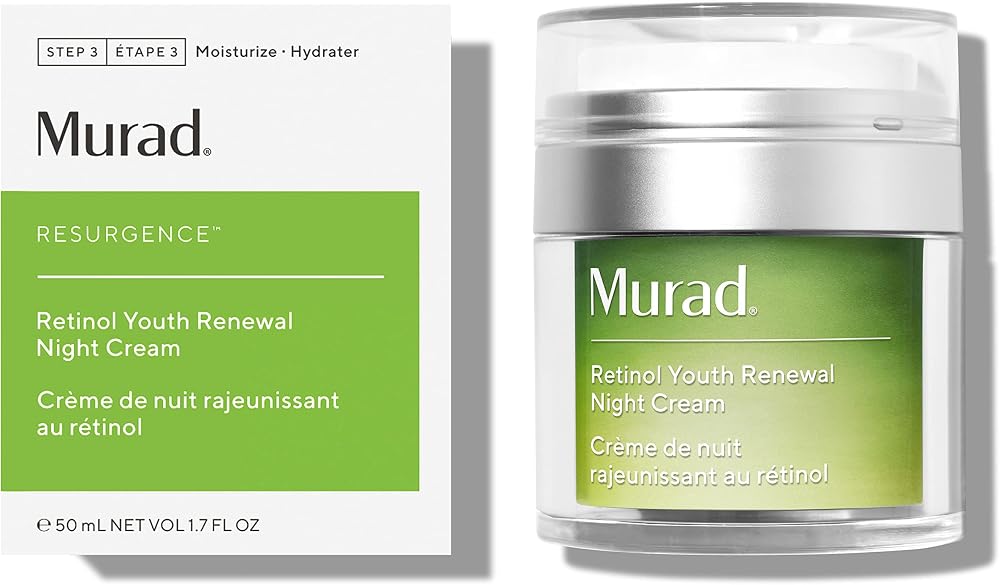
Murad
Retinol Youth Renewal Night Cream
50ml
Targets visible signs of ageing and fine lines · formulated with peptides and retinol

Keep exploring
Treatments and rituals to read next
- Microneedling (collagen induction)
A device passes very fine needles through the skin at a controlled depth to create tiny channels.
- RF microneedling
Microneedling combined with radiofrequency energy delivered from the needle tips into the deeper skin.
- Professional chemical peel
A controlled acid solution is applied by a professional to exfoliate the surface layers more deeply than a home product.
More from this Noui Edit
Skin Longevity
The shift from reversing ageing to protecting skin health
Skin Longevity: What Does It Actually Mean for Your Skin?
Skin longevity is one of beauty's biggest shifts in 2026. But is it just a new name for anti-ageing — or is there more to it?
· 8 min read
Skincare for Rosacea-Prone Skin: What Helps, What Hurts
Rosacea is a medical condition, and treating it is a job for a clinician. Your routine still matters. Here is what the evidence supports for skin that flushes, stings and reacts.
· 8 min read

Sleep and Skin Barrier Repair: Why Rest Is Part of Your Routine
Barrier repair runs overnight. What sleep research supports for skin, and how to make the hours you already have count for more.
· 7 min read

Cortisol Face: What's Real and What's Exaggerated
Stress does affect skin. "Cortisol face" as a diagnosis you can spot in a selfie is a social-media invention. Here is the line between the two.
· 7 min read
You may also like
Is a collagen supplement worth the money?
What the research supports, and what it does not.
· 5 min read
Is an expensive vitamin C serum actually worth it?
We compare a £49 stabilised vitamin C with a £6 alternative and look at what you are really paying for.
· 5 min read
Skin Longevity: What Does It Actually Mean for Your Skin?
Skin longevity is one of beauty's biggest shifts in 2026. But is it just a new name for anti-ageing — or is there more to it?
· 8 min read
Can Peptides Really Stimulate Collagen? What the Science Says
Peptides are sold on the promise of collagen. Here is what laboratory and human research actually shows, where the evidence is still thin, and how to read a peptide claim without being sold a story.
· 9 min read
Retinol vs Peptides: Which Is Better for Your Skin?
Two of the biggest names in modern anti-ageing skincare — but should you choose retinol or peptides? We compare the evidence, the irritation risk and whether you need both.
· 10 min read
Skin Longevity vs Anti-Ageing: What's the Difference?
Anti-ageing skincare has been around for decades. So why is everyone suddenly talking about skin longevity — and is it actually different?
· 8 min read