Scalp Massage: Benefits, Tools, and Techniques for Hair Growth
Does scalp massage actually help hair growth? The science, the tools, and how to do it properly.
NOUI Collective · · 5 min read
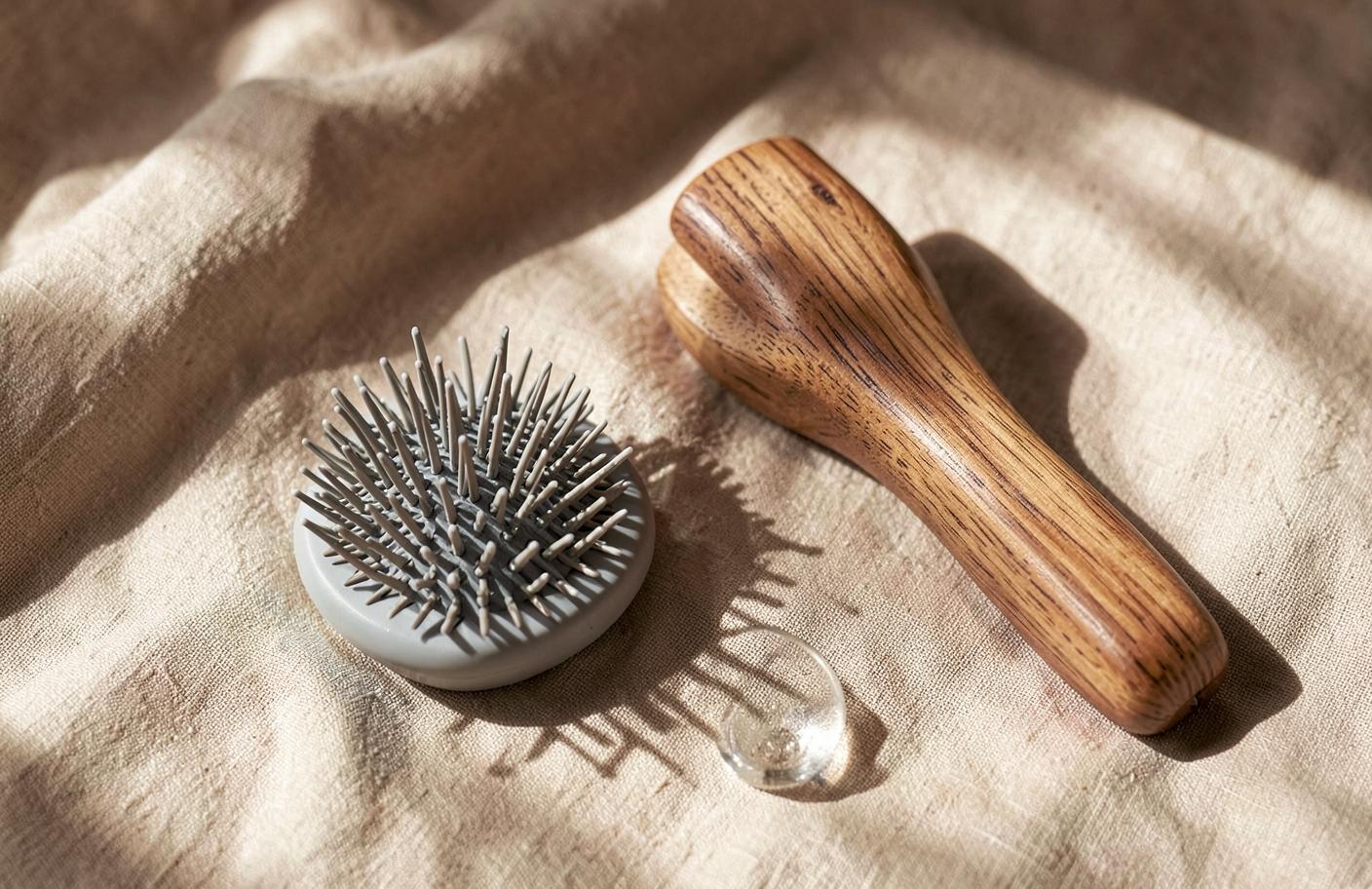
Scalp massage has quietly become one of the most talked-about parts of the scalp health trend — and it's more than just a relaxing ritual. There's a genuine, if modest, evidence base behind it, and it fits naturally into the broader scalp-first approach to hair care. For the full picture, start with our scalp health guide.
What the evidence actually says
Scalp massage is thought to work primarily by increasing local blood flow and mechanically stretching the dermal cells around hair follicles, which may support a healthier growth environment over time. It's not a dramatic, fast-acting solution — think of it as one supportive habit among several, not a replacement for addressing underlying scalp issues like the ones covered in signs of an unhealthy scalp.
Benefits beyond growth
- Stress relief — genuinely relaxing, which matters since stress itself is linked to hair shedding
- Better product absorption — massaging in oils or serums helps distribute them more evenly
- Improved scalp comfort — many people find it eases tension and tightness
Tools worth trying
- Silicone scalp massager brushes — good for use during shampooing
- Handheld massage tools — designed for dry-scalp use, often paired with oils
- Just your fingertips — genuinely effective on its own; no tool is required to get the benefits
Products worth exploring
From the NOUI catalogue, matched to what this guide covers. Prices come from our live retailer comparison.


A simple technique to try
- Use fingertips (not nails) in small circular motions
- Start at the hairline and work back toward the crown
- Apply gentle, consistent pressure — firm enough to feel it, not so much that it's uncomfortable
- Spend 3–5 minutes, 3–4 times a week for best consistency
Pairing it with the rest of your routine
Scalp massage works especially well paired with a nourishing oil — see our picks in best scalp oils and serums — and with nutritional support, covered in our guide to diet and nutrition for scalp health.
The takeaway
Scalp massage is low-effort, low-risk, and genuinely enjoyable — which makes it one of the easiest habits to actually stick with. Just keep expectations realistic: it's a supportive piece of a bigger routine, not a standalone fix.
From the NOUI catalogue
Explore relevant products
Matched to what this guide covers. Prices come from our live retailer comparison, not from this article.

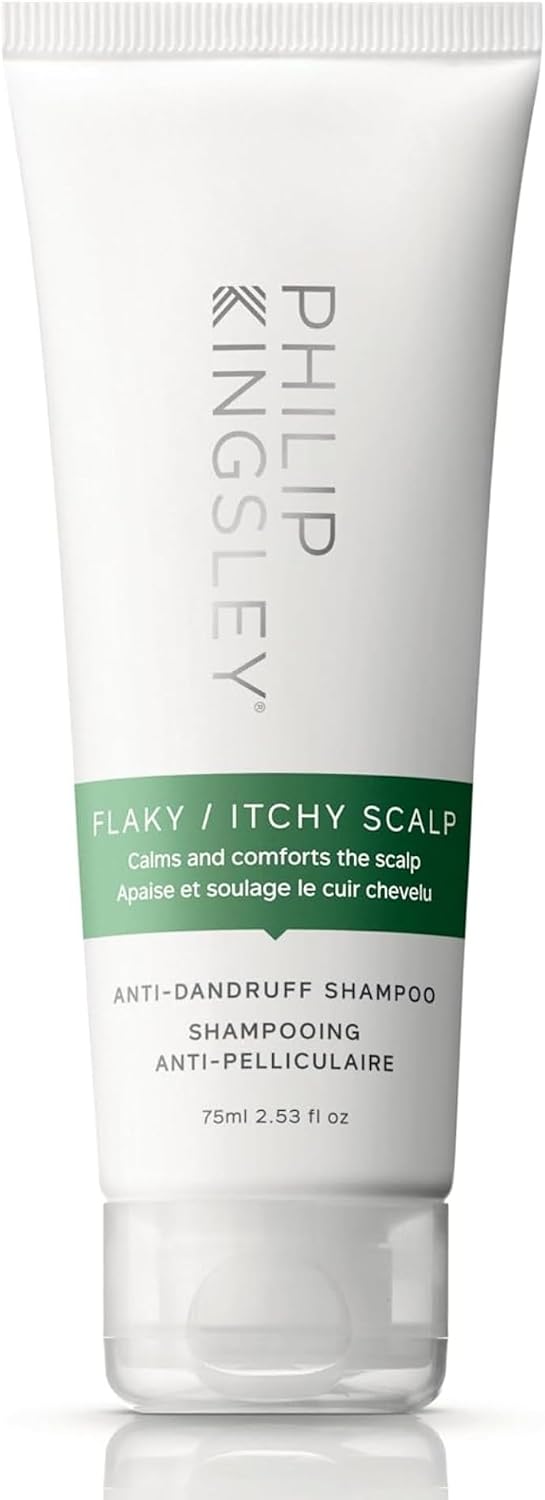
The Inkey List
Caffeine Stimulating Scalp Treatment
Targets dry or itchy scalp and oily scalp · formulated with caffeine

Briogeo
Scalp Revival Charcoal + Coconut Oil Micro-Exfoliating Shampoo
Targets dry or itchy scalp and oily scalp · formulated with salicylic acid and tea tree

The Inkey List
Glycolic Acid Exfoliating Scalp Scrub
Targets dry or itchy scalp and oily scalp · formulated with salicylic acid
Keep exploring
Treatments and rituals to read next
- Korean scalp treatment
A salon protocol that typically combines scalp analysis, exfoliation, targeted ampoules, steam or LED and massage, with a strong focus on scalp condition rather than hair styling.
- Scalp microneedling
Fine-needle rolling or stamping over the scalp, often combined with topical products by a trichologist or clinic.
- Japanese head spa
A long, structured scalp treatment combining cleansing, exfoliation, warm water rinsing and extended massage — often with scalp camera before-and-after imagery.
More from this NOUI Edit
Scalp Health
The foundation of great hair starts at the scalp.
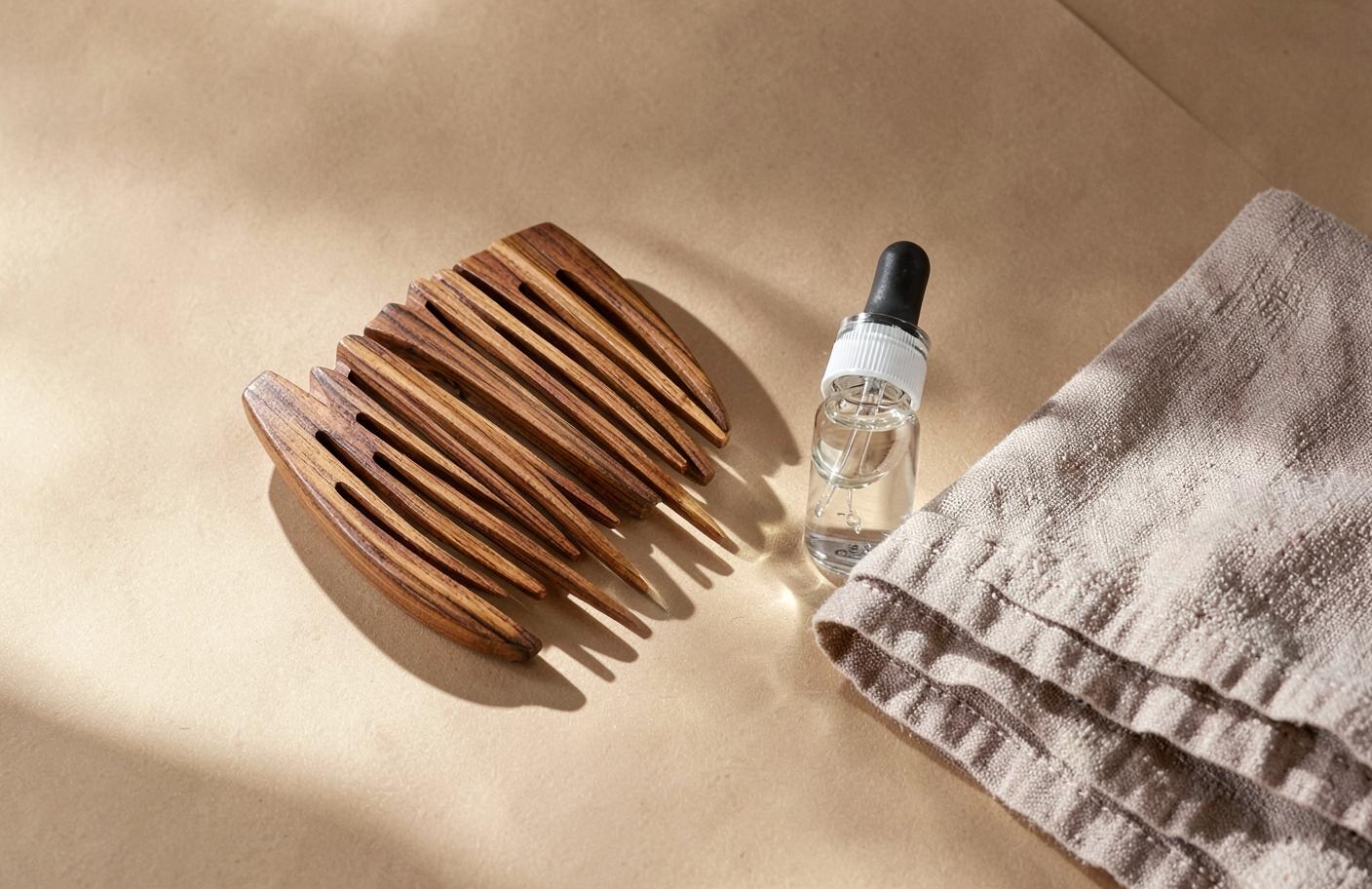
The Ultimate Guide to Scalp Health: Why It's the Foundation of Great Hair
The scalp is skin — and healthy hair grows out of healthy skin. The complete NOUI guide to the microbiome, the barrier, buildup and building a routine that suits your hair.
· 9 min read
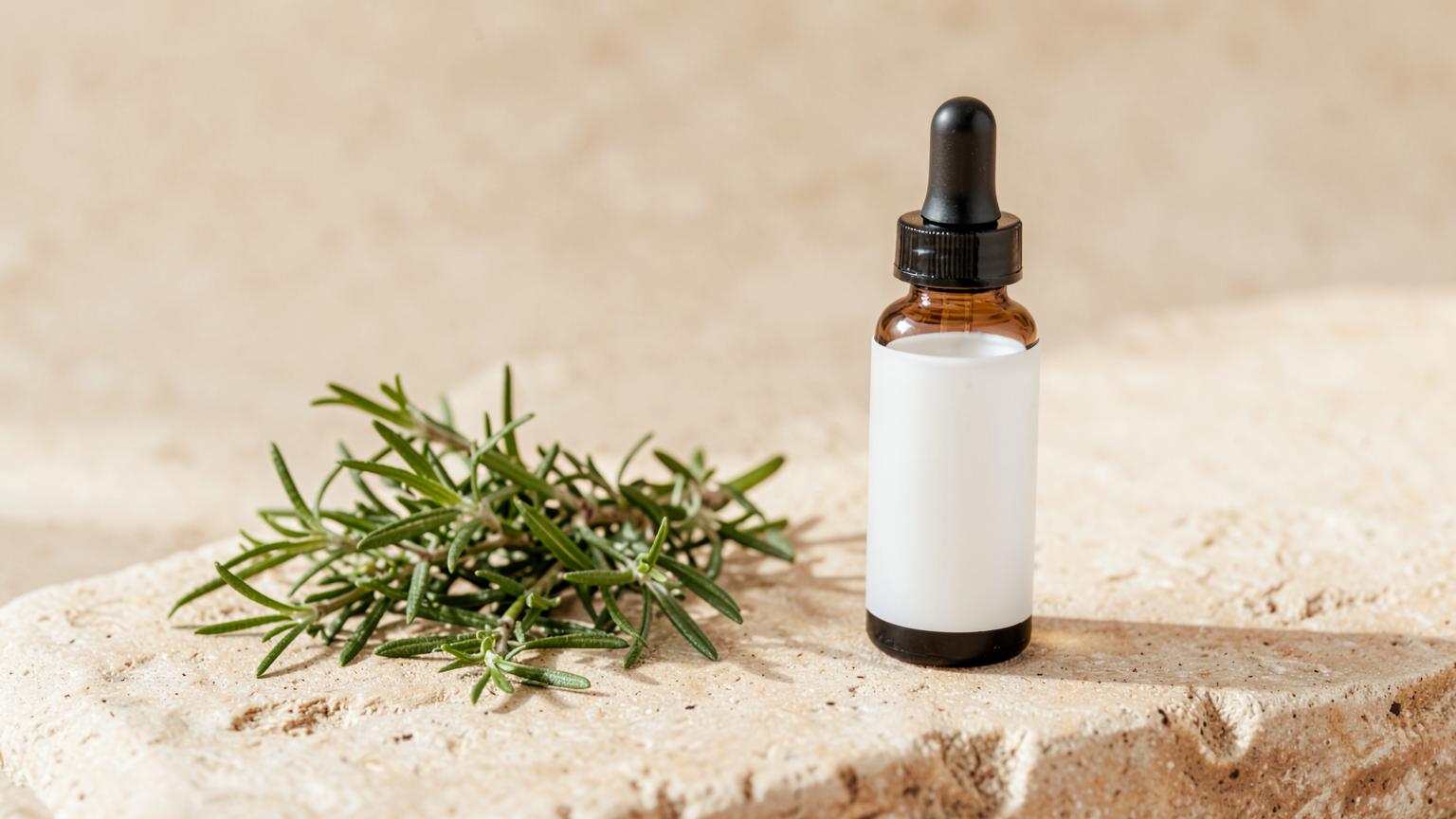
Rosemary Oil vs Minoxidil: What the Evidence Actually Shows
One small trial made rosemary oil famous. Minoxidil has decades of data. Here is a fair comparison, including what each one asks of you.
· 8 min read
Peptide Haircare, Explained: What It Can (and Can't) Do
Peptides are the new headline on shampoo bottles. Here is the difference between the ones that repair hair fibre and the ones sold for growth.
· 7 min read
Scalp Buildup 101: Why a Weekly Scrub Matters
Buildup is product, sebum and shed skin, not dandruff. Here is how to clear it once a week without stripping the scalp.
· 7 min read
You may also like
The Ultimate Guide to Scalp Health: Why It's the Foundation of Great Hair
The scalp is skin — and healthy hair grows out of healthy skin. The complete NOUI guide to the microbiome, the barrier, buildup and building a routine that suits your hair.
· 9 min read
Scalp-First Skincare: Applying Skincare Principles to Your Scalp
Why "skinifying" your scalp routine is 2026's biggest hair trend, and how to actually do it.
· 5 min read
Signs of an Unhealthy Scalp (and What They Actually Mean)
Flaking, itching, oiliness, tenderness — what your scalp is trying to tell you and what to do next.
· 5 min read
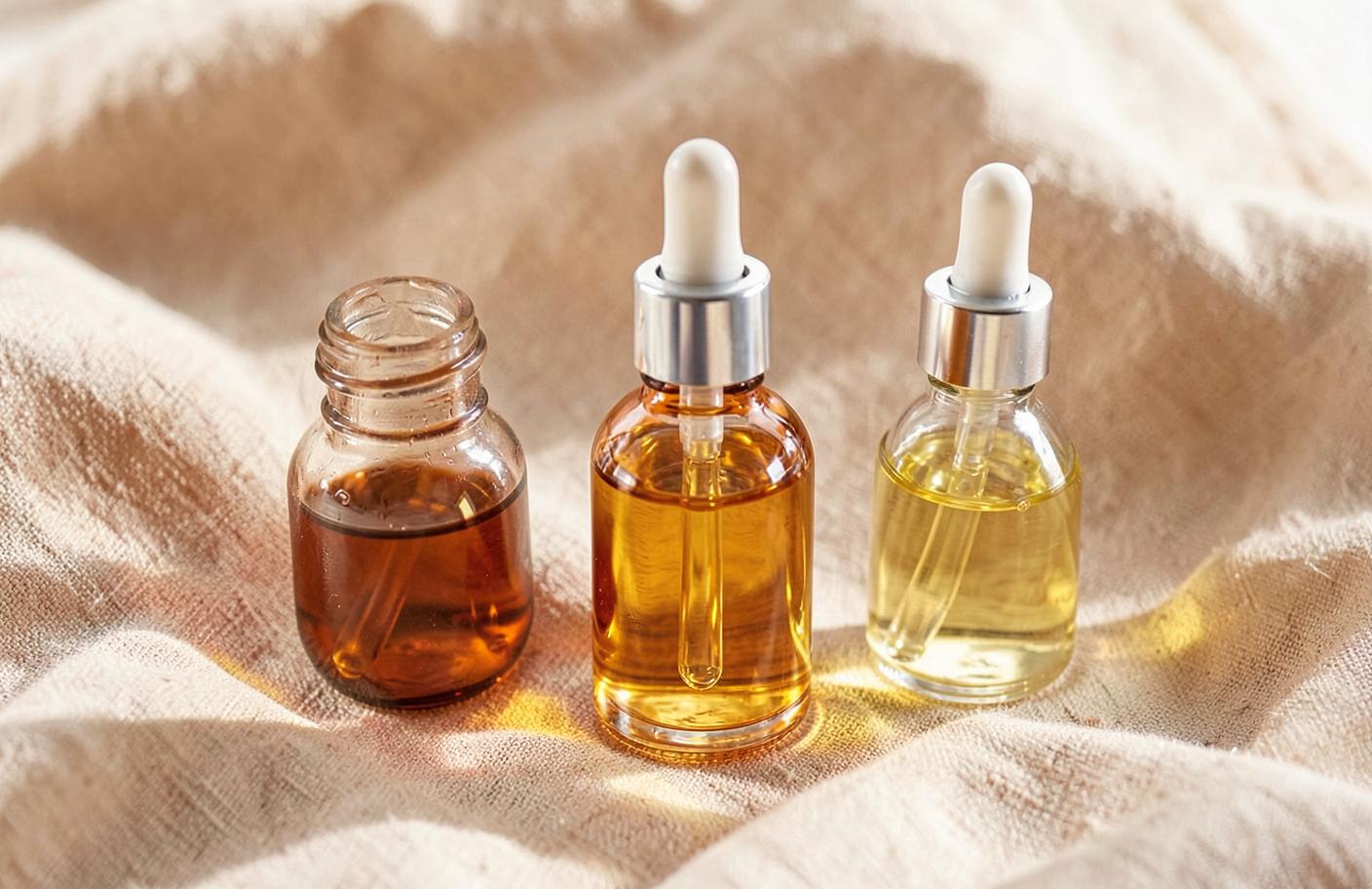
Best Scalp Oils and Serums for Dryness and Damage
A breakdown of the scalp oils and serums worth trying, by concern — dryness, flaking, and sensitivity.
· 5 min read
Scalp Buildup 101: Why a Weekly Scrub Matters
Buildup is product, sebum and shed skin, not dandruff. Here is how to clear it once a week without stripping the scalp.
· 7 min read
Scalp Microbiome 101: What It Is and Why It Matters
The scalp microbiome explained simply — how it affects hair health and how to support it naturally.
· 5 min read
Brands in this piece