Scalp Microbiome 101: What It Is and Why It Matters
The scalp microbiome explained simply — how it affects hair health and how to support it naturally.
NOUI Collective · · 5 min read
If you've spent any time in the beauty aisle lately, you've probably noticed "microbiome" popping up on more than just skincare labels. It's now front and center in haircare too, and for good reason. Your scalp microbiome is one of the biggest factors behind how healthy — or how flaky, oily, or irritated — your scalp feels day to day. This is part of a bigger shift toward scalp-first skincare and treating your scalp with the same care you give the rest of your skin, which we cover as part of our full scalp health guide.
What is the scalp microbiome?
Your scalp is home to millions of bacteria, fungi, and other microorganisms that live in balance with one another. This ecosystem forms a protective barrier that helps regulate oil production, defend against irritants, and keep your scalp's pH where it should be. When that balance is healthy, you tend to notice it as a scalp that's comfortable, not too oily or too dry, and free of persistent flaking or itchiness.
What throws it out of balance
A few common culprits disrupt the scalp microbiome:
- Harsh sulfates and over-washing, which strip natural oils
- Product buildup from styling products, dry shampoo, or silicones
- Heat styling and UV exposure
- Stress, hormonal shifts, and diet
- Overuse of active ingredients meant for the skin, not the scalp
When the microbiome is disrupted, certain fungi (like Malassezia) or bacteria can overgrow, which is often linked to dandruff, itchiness, or excess oil. If any of this sounds familiar, it's worth reading through the signs of an unhealthy scalp to see what your symptoms might be pointing to.
Products worth exploring
From the NOUI catalogue, matched to what this guide covers. Prices come from our live retailer comparison.


How to support a healthy scalp microbiome
- Wash less aggressively. Over-washing strips the oils your microbiome relies on; under-washing lets buildup smother it. Somewhere in the middle, tailored to your hair type, is the goal.
- Choose gentler, pH-balanced formulas. Look for sulfate-free cleansers and avoid anything overly fragranced if your scalp is sensitive.
- Introduce prebiotic or probiotic scalp products slowly. These are designed to feed the "good" microorganisms rather than strip everything indiscriminately.
- Don't skip the scalp in your skincare thinking. Treat it as an extension of your skin barrier, not a separate category.
The takeaway
A healthy scalp microbiome isn't about buying every "microbiome-friendly" product on the shelf — it's about giving your scalp gentle, consistent care and letting its natural balance do the work. Once you understand this foundation, it's much easier to build a personalized scalp care routine that actually works for your hair type and lifestyle.
From the NOUI catalogue
Explore relevant products
Matched to what this guide covers. Prices come from our live retailer comparison, not from this article.

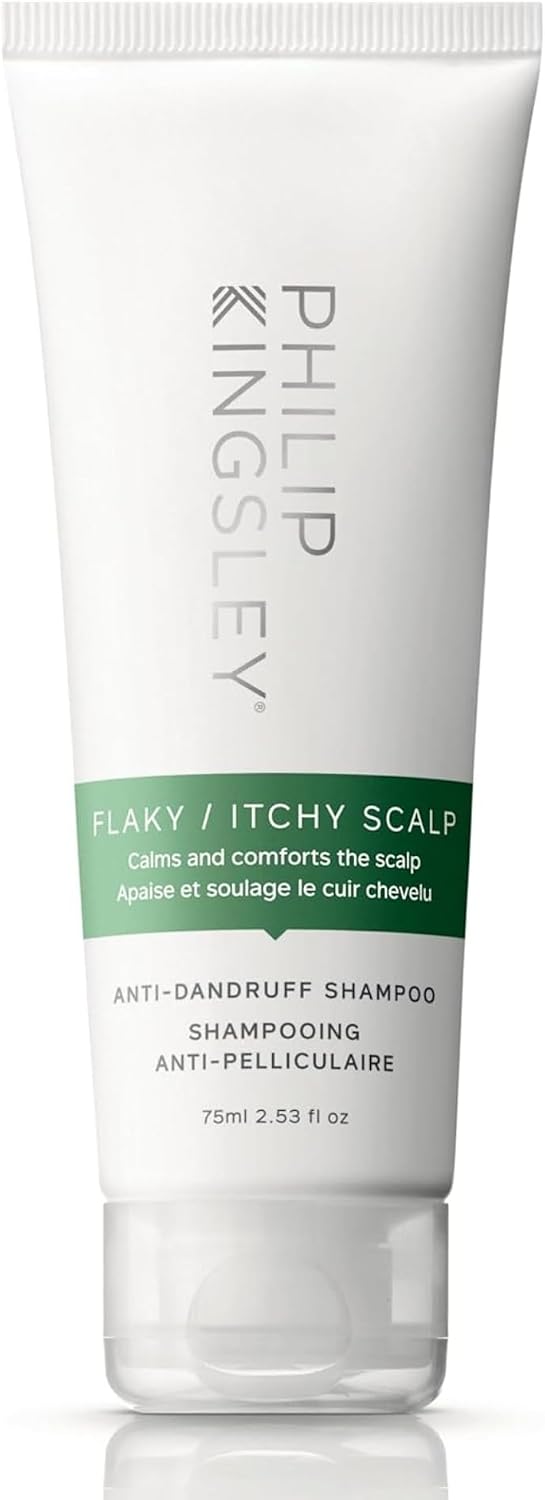
Briogeo
Scalp Revival Charcoal + Coconut Oil Micro-Exfoliating Shampoo
Targets dry or itchy scalp and oily scalp · formulated with salicylic acid and tea tree

The Inkey List
Glycolic Acid Exfoliating Scalp Scrub
Targets dry or itchy scalp and oily scalp · formulated with salicylic acid

Keep exploring
Treatments and rituals to read next
- Korean scalp treatment
A salon protocol that typically combines scalp analysis, exfoliation, targeted ampoules, steam or LED and massage, with a strong focus on scalp condition rather than hair styling.
- Japanese head spa
A long, structured scalp treatment combining cleansing, exfoliation, warm water rinsing and extended massage — often with scalp camera before-and-after imagery.
- Scalp facial
The facial framework applied to the scalp: cleanse, exfoliate, extract build-up, treat, massage, soothe.
More from this NOUI Edit
Scalp Health
The foundation of great hair starts at the scalp.
The Ultimate Guide to Scalp Health: Why It's the Foundation of Great Hair
The scalp is skin — and healthy hair grows out of healthy skin. The complete NOUI guide to the microbiome, the barrier, buildup and building a routine that suits your hair.
· 9 min read
Rosemary Oil vs Minoxidil: What the Evidence Actually Shows
One small trial made rosemary oil famous. Minoxidil has decades of data. Here is a fair comparison, including what each one asks of you.
· 8 min read
Peptide Haircare, Explained: What It Can (and Can't) Do
Peptides are the new headline on shampoo bottles. Here is the difference between the ones that repair hair fibre and the ones sold for growth.
· 7 min read
Scalp Buildup 101: Why a Weekly Scrub Matters
Buildup is product, sebum and shed skin, not dandruff. Here is how to clear it once a week without stripping the scalp.
· 7 min read
You may also like
The Ultimate Guide to Scalp Health: Why It's the Foundation of Great Hair
The scalp is skin — and healthy hair grows out of healthy skin. The complete NOUI guide to the microbiome, the barrier, buildup and building a routine that suits your hair.
· 9 min read
Scalp-First Skincare: Applying Skincare Principles to Your Scalp
Why "skinifying" your scalp routine is 2026's biggest hair trend, and how to actually do it.
· 5 min read
Signs of an Unhealthy Scalp (and What They Actually Mean)
Flaking, itching, oiliness, tenderness — what your scalp is trying to tell you and what to do next.
· 5 min read
Personalized Scalp Care: Finding the Right Routine for Your Hair Type
Why a one-size-fits-all scalp routine doesn't work, and how to build one for your specific hair and scalp type.
· 5 min read
Scalp Buildup 101: Why a Weekly Scrub Matters
Buildup is product, sebum and shed skin, not dandruff. Here is how to clear it once a week without stripping the scalp.
· 7 min read
Best Scalp Oils and Serums for Dryness and Damage
A breakdown of the scalp oils and serums worth trying, by concern — dryness, flaking, and sensitivity.
· 5 min read