Peptide Haircare, Explained: What It Can (and Can't) Do
Peptides are the new headline on shampoo bottles. Here is the difference between the ones that repair hair fibre and the ones sold for growth.
Noui Collective · · 7 min read
Peptides earned their reputation on skin. Haircare borrowed the word, which means two very different claims now share one label: repairing the hair you have, and growing hair you do not.
Two categories, one word
Bond and fibre peptides. Short chains that bind to damaged keratin, used in bond-repair and strengthening products. The mechanism is plausible and the effect is measurable in the right terms: less breakage, better wet combing, hair that survives heat and colour with fewer split ends.
Follicle-signalling peptides. Copper tripeptide and biomimetic peptides marketed for density. The rationale comes from wound healing and growth-factor signalling. Cosmetic evidence exists but is thin, mostly manufacturer-run, and short.
Conflating the two is how a strengthening serum ends up sold as a hair-loss treatment.
What peptide haircare can do
- Reduce breakage, which reads as thickness because you keep the length you had.
- Improve manageability on bleached, coloured or heat-styled hair.
- Support the scalp surface when paired with humectants and lipids — see the scalp health guide for why that base matters.
Products worth exploring
From the Noui catalogue, matched to what this guide covers. Prices come from our live retailer comparison.

Olaplex
No.9 Bond Protector Nourishing Hair Serum
Targets damage and breakage and split ends · formulated with bis amino
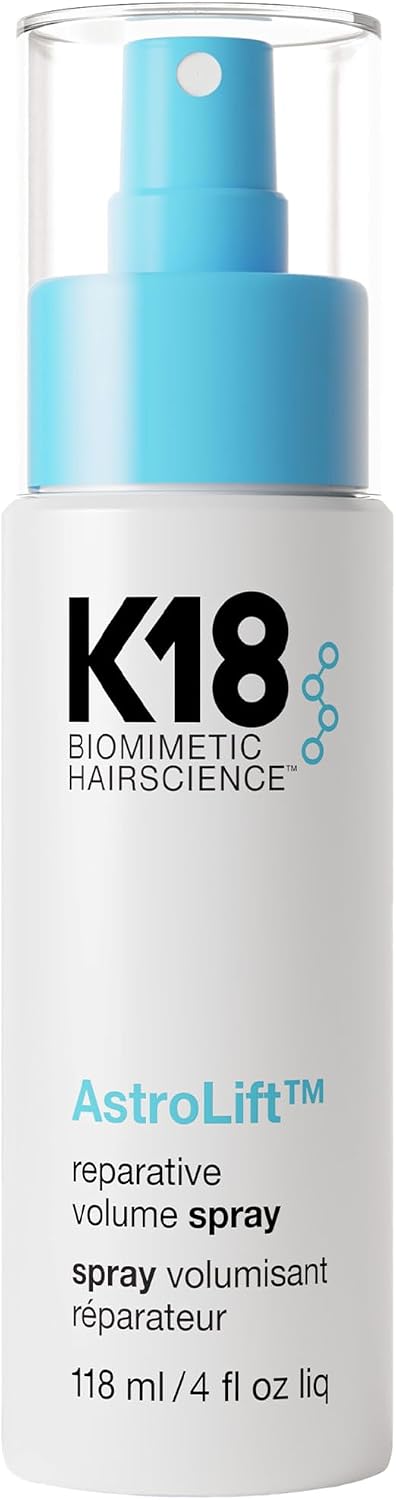
K18
AstroLift Reparative Volume Spray
Targets damage and breakage and split ends · formulated with amino acids
What it cannot do
- Wake dormant follicles.
- Reverse pattern hair loss.
- Substitute for a treatment with regulatory approval when shedding is progressive.
Noui explainer
Where the volume you notice comes from
Most "thicker hair in four weeks" results are breakage reduction and better hydration, not new growth. That is a real benefit — it is just a different one, and it does not compound in the same way.
Reading a label honestly
- Check where the peptide sits in the ingredient list, and whether the product is rinse-off. A conditioner has more contact time than a shampoo.
- Look for a stated peptide, not "peptide complex".
- A bond-repair product should talk about breakage and strength. If it talks about density, ask for the data.
If shedding is your actual concern
Start with the cause: is it seasonal, post-illness, post-partum, iron-related, or a pattern change over years? A serum bought before that question is answered usually wastes months. Rosemary oil vs minoxidil covers the two options most people compare first.
Cosmetic information only. Sudden, patchy or rapid hair loss deserves medical assessment, not a new bottle.
Noui's verdict
- Worth it for damaged, coloured or fragile hair, where peptides genuinely reduce breakage. Not a growth treatment — judge those claims separately and sceptically.
From the Noui catalogue
Explore relevant products
Matched to what this guide covers. Prices come from our live retailer comparison, not from this article.
Olaplex
No.9 Bond Protector Nourishing Hair Serum
Targets damage and breakage and split ends · formulated with bis amino
K18
AstroLift Reparative Volume Spray
Targets damage and breakage and split ends · formulated with amino acids


Keep exploring
Treatments and rituals to read next
- Ayurvedic hair oiling
The traditional practice of massaging warmed oil into the scalp and hair, left to sit before washing. Coconut, sesame and amla oils are common.
- Bond-building salon treatment
An in-salon treatment using bond-repair chemistry, applied either alongside colour or as a standalone strengthening service.
- Microneedling (collagen induction)
A device passes very fine needles through the skin at a controlled depth to create tiny channels.
More from this Noui Edit
Scalp Health
The foundation of great hair starts at the scalp.
The Ultimate Guide to Scalp Health: Why It's the Foundation of Great Hair
The scalp is skin — and healthy hair grows out of healthy skin. The complete Noui guide to the microbiome, the barrier, buildup and building a routine that suits your hair.
· 9 min read
Rosemary Oil vs Minoxidil: What the Evidence Actually Shows
One small trial made rosemary oil famous. Minoxidil has decades of data. Here is a fair comparison, including what each one asks of you.
· 8 min read
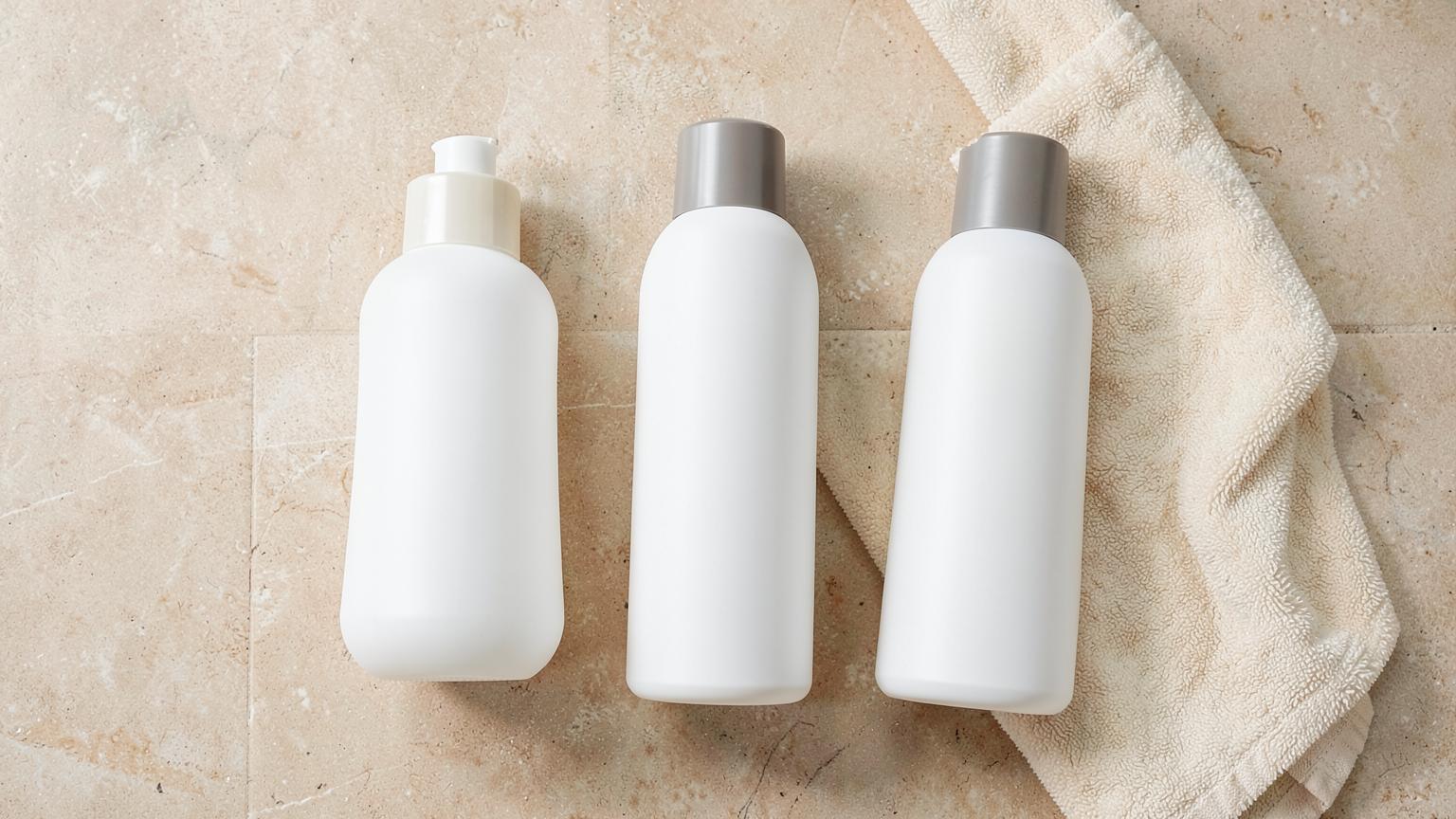
Drugstore Haircare: What to Check Before You Trade Down
Cheaper haircare is often equivalent. Here are the four things worth checking on the back of the bottle before you swap.
· 7 min read
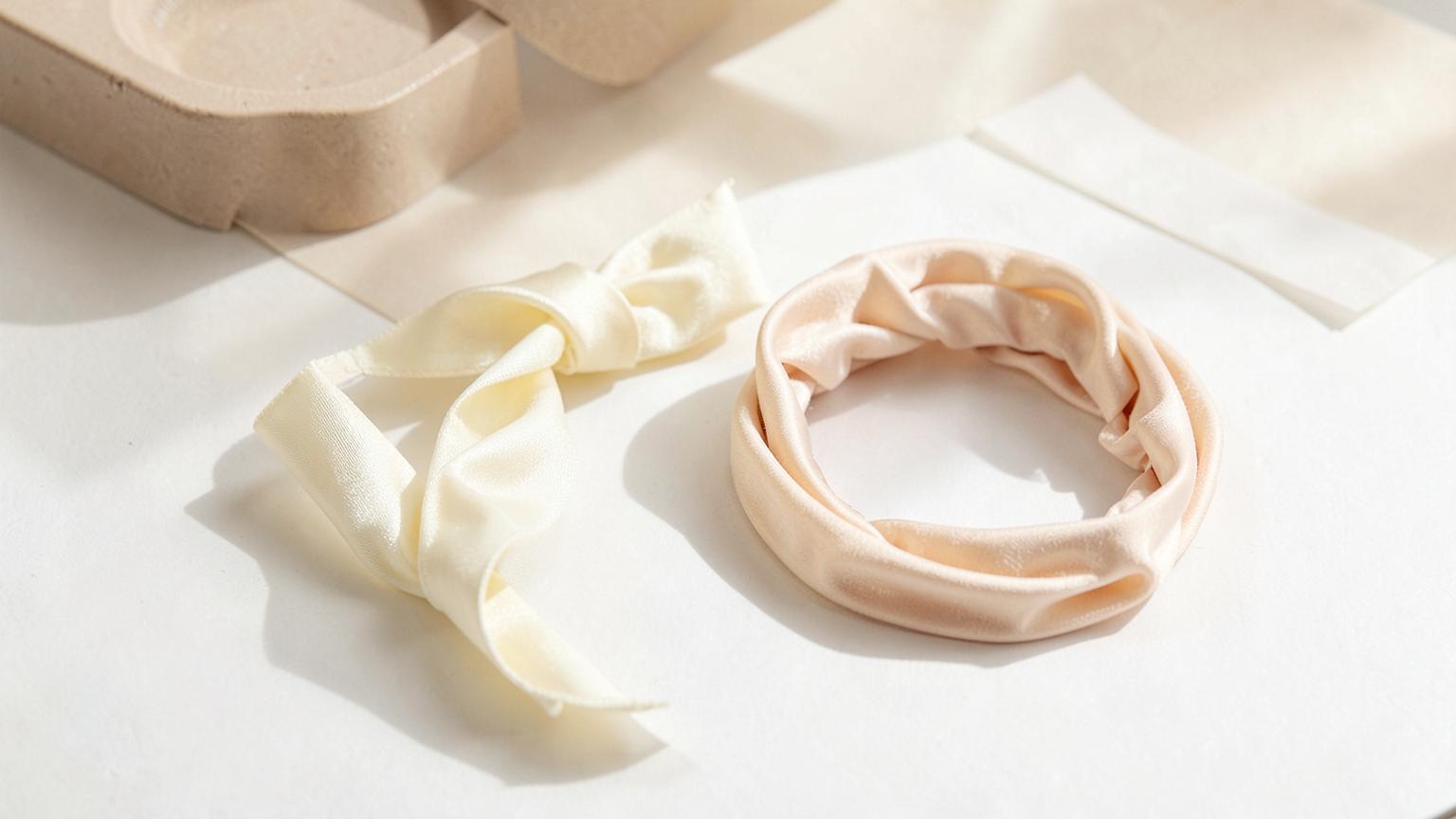
Heatless Curls: The Method That Actually Protects Your Hair
Heatless curling only protects hair if the tension, dampness and duration are right. Here is the version that does not cause breakage at the hairline.
· 6 min read
You may also like
The Ultimate Guide to Scalp Health: Why It's the Foundation of Great Hair
The scalp is skin — and healthy hair grows out of healthy skin. The complete Noui guide to the microbiome, the barrier, buildup and building a routine that suits your hair.
· 9 min read
Rosemary Oil vs Minoxidil: What the Evidence Actually Shows
One small trial made rosemary oil famous. Minoxidil has decades of data. Here is a fair comparison, including what each one asks of you.
· 8 min read
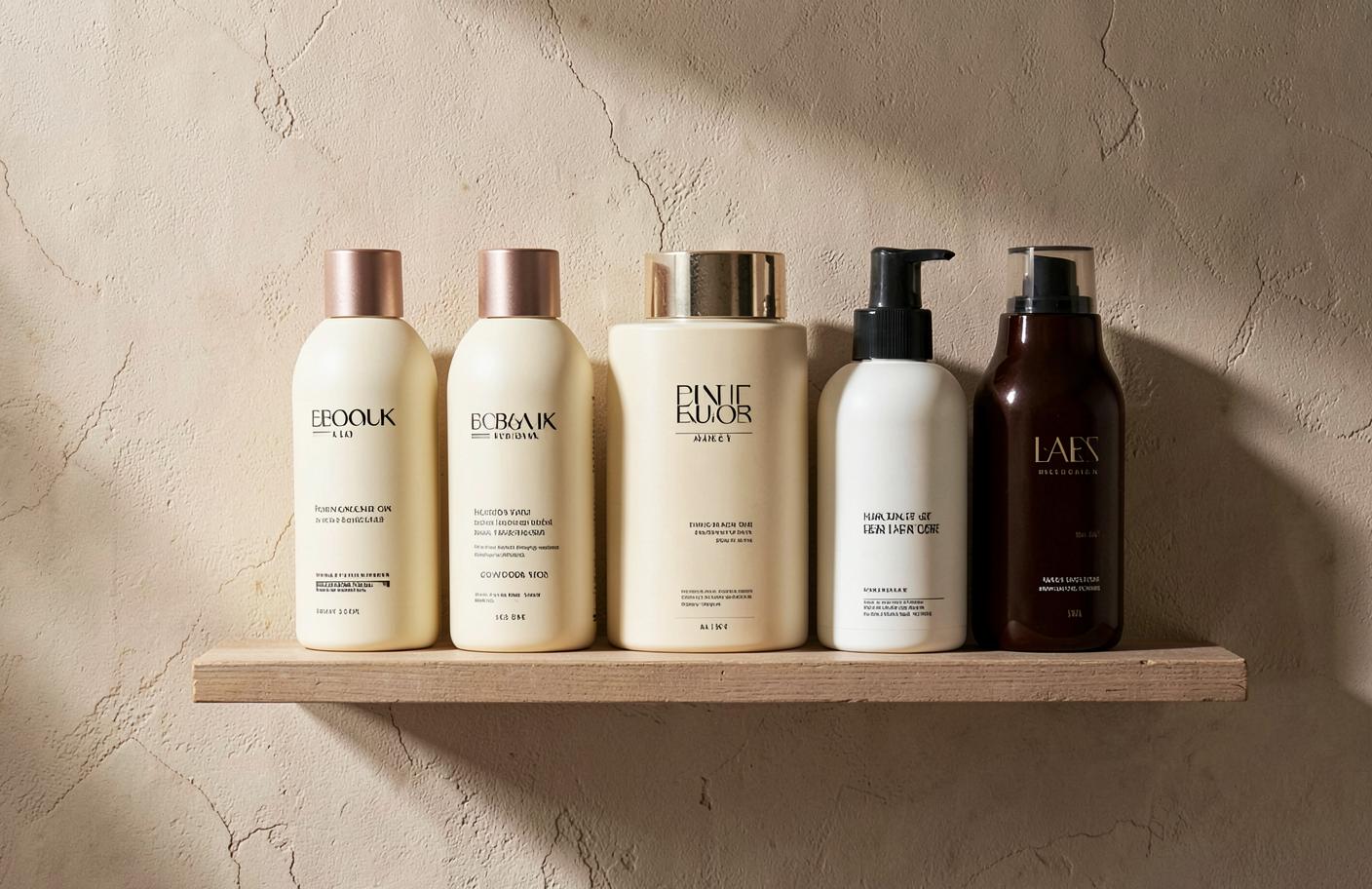
Personalized Scalp Care: Finding the Right Routine for Your Hair Type
Why a one-size-fits-all scalp routine doesn't work, and how to build one for your specific hair and scalp type.
· 5 min read
Heatless Curls: The Method That Actually Protects Your Hair
Heatless curling only protects hair if the tension, dampness and duration are right. Here is the version that does not cause breakage at the hairline.
· 6 min read
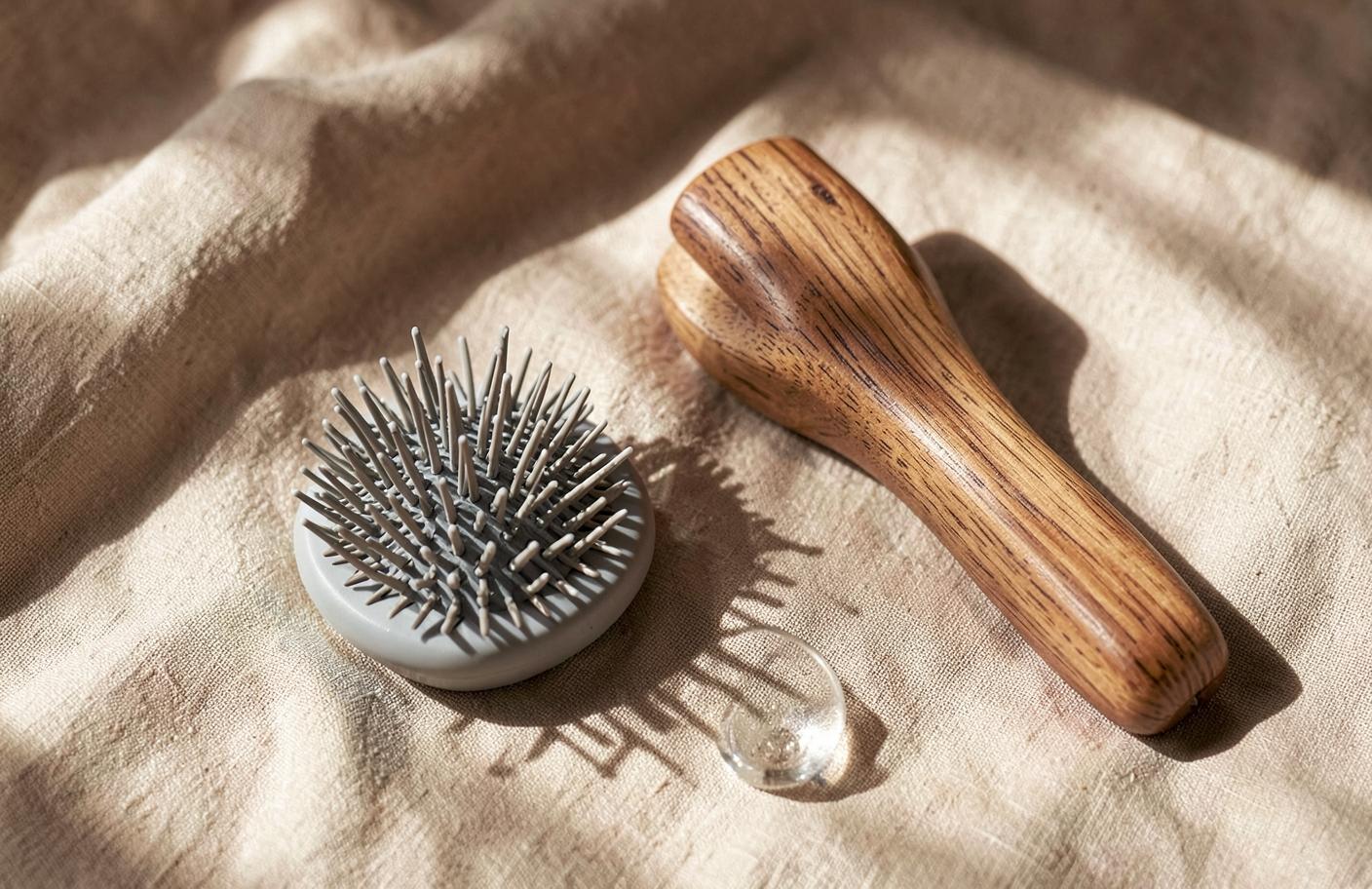
Scalp Massage: Benefits, Tools, and Techniques for Hair Growth
Does scalp massage actually help hair growth? The science, the tools, and how to do it properly.
· 5 min read
Skin Longevity: What Does It Actually Mean for Your Skin?
Skin longevity is one of beauty's biggest shifts in 2026. But is it just a new name for anti-ageing — or is there more to it?
· 8 min read