Signs of an Unhealthy Scalp (and What They Actually Mean)
Flaking, itching, oiliness, tenderness — what your scalp is trying to tell you and what to do next.
NOUI Collective · · 5 min read
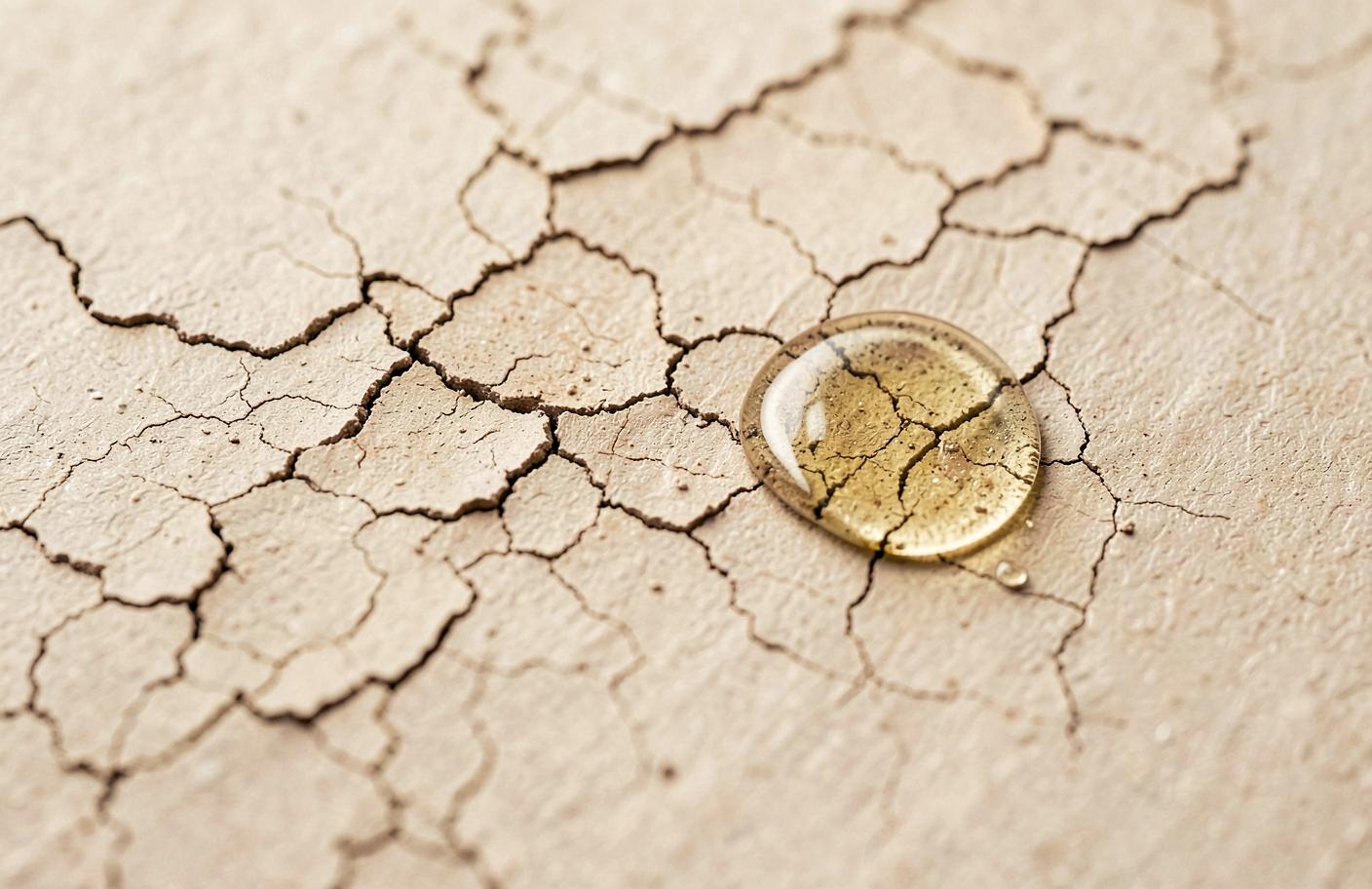
Your scalp is usually pretty vocal when something's off — you just need to know how to listen. As part of building out our full scalp health guide, we wanted to break down the most common scalp symptoms people search for, and what's actually likely to be behind them.
Flaking
Flaking can mean a few different things depending on the type:
- Small, dry, white flakes — often simple dryness or seasonal dehydration
- Larger, oily, yellowish flakes — more commonly associated with dandruff or seborrheic-type buildup
- Flakes paired with itching and redness — worth paying closer attention to, as this can indicate a more reactive scalp condition
If you're trying to pin down exactly which one you're dealing with, our breakdown of dandruff vs. dry scalp vs. buildup goes into more detail.
Itching
Occasional itchiness isn't unusual, especially after switching products or going a few extra days between washes. Persistent itching, though, is often a sign of an imbalanced microbiome, product buildup, or sensitivity to an ingredient in your current routine.
Excess oil
Some oil production is normal and healthy — it's part of how your scalp protects itself. But scalp that feels oily within a day of washing can point to overwashing (which triggers oil overproduction to compensate), product buildup, or an out-of-balance microbiome.
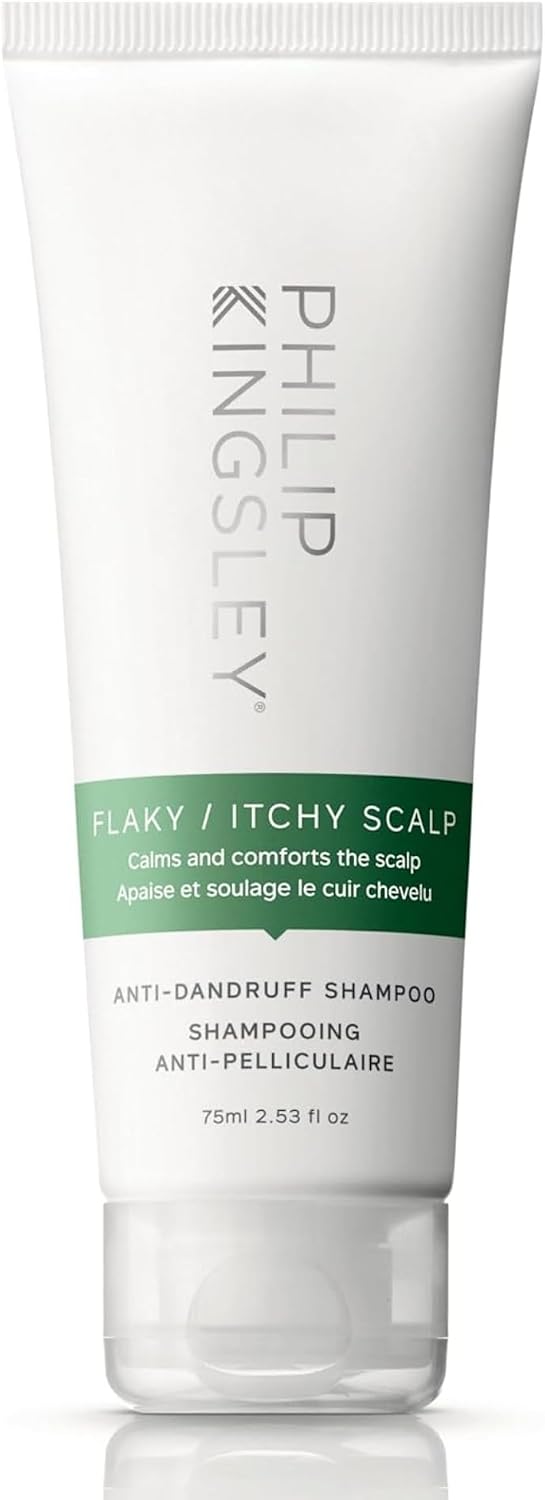
Products worth exploring
From the NOUI catalogue, matched to what this guide covers. Prices come from our live retailer comparison.

Tenderness or sensitivity
A scalp that feels tender to the touch, especially without an obvious cause like tight hairstyles, can be a sign of inflammation or barrier disruption. This is often the scalp's version of "sensitized skin," and tends to respond well to simplifying your routine.
Persistent dryness
If your scalp consistently feels tight, flaky, or rough no matter how much you moisturize your hair, the issue is likely the scalp barrier itself rather than the hair. This is where a scalp detox followed by a gentler, barrier-focused routine tends to help most.
When to see a professional
Persistent, severe, or painful symptoms — significant hair shedding, open irritation, or symptoms that don't improve after a few weeks of gentler care — are worth bringing to a dermatologist or trichologist rather than troubleshooting on your own.
The takeaway
Most scalp symptoms are your scalp's way of asking for a simpler, more balanced routine. Once you've identified what you're actually dealing with, it's much easier to build a personalized scalp care routine that addresses it directly.
From the NOUI catalogue
Explore relevant products
Matched to what this guide covers. Prices come from our live retailer comparison, not from this article.

The Inkey List
Glycolic Acid Exfoliating Scalp Scrub
Targets dry or itchy scalp and oily scalp · formulated with salicylic acid

Briogeo
Scalp Revival Charcoal + Coconut Oil Micro-Exfoliating Shampoo
Targets dry or itchy scalp and oily scalp · formulated with salicylic acid and tea tree

The Inkey List
Salicylic Acid Exfoliating Scalp Treatment
Targets dry or itchy scalp and oily scalp · formulated with salicylic acid

Keep exploring
Treatments and rituals to read next
- Korean scalp treatment
A salon protocol that typically combines scalp analysis, exfoliation, targeted ampoules, steam or LED and massage, with a strong focus on scalp condition rather than hair styling.
- Japanese head spa
A long, structured scalp treatment combining cleansing, exfoliation, warm water rinsing and extended massage — often with scalp camera before-and-after imagery.
- Scalp facial
The facial framework applied to the scalp: cleanse, exfoliate, extract build-up, treat, massage, soothe.
More from this NOUI Edit
Scalp Health
The foundation of great hair starts at the scalp.
The Ultimate Guide to Scalp Health: Why It's the Foundation of Great Hair
The scalp is skin — and healthy hair grows out of healthy skin. The complete NOUI guide to the microbiome, the barrier, buildup and building a routine that suits your hair.
· 9 min read
Rosemary Oil vs Minoxidil: What the Evidence Actually Shows
One small trial made rosemary oil famous. Minoxidil has decades of data. Here is a fair comparison, including what each one asks of you.
· 8 min read
Peptide Haircare, Explained: What It Can (and Can't) Do
Peptides are the new headline on shampoo bottles. Here is the difference between the ones that repair hair fibre and the ones sold for growth.
· 7 min read
Scalp Buildup 101: Why a Weekly Scrub Matters
Buildup is product, sebum and shed skin, not dandruff. Here is how to clear it once a week without stripping the scalp.
· 7 min read
You may also like
The Ultimate Guide to Scalp Health: Why It's the Foundation of Great Hair
The scalp is skin — and healthy hair grows out of healthy skin. The complete NOUI guide to the microbiome, the barrier, buildup and building a routine that suits your hair.
· 9 min read
How to Do a Scalp Detox at Home
A step-by-step at-home scalp detox to clear product buildup and reset your routine.
· 5 min read
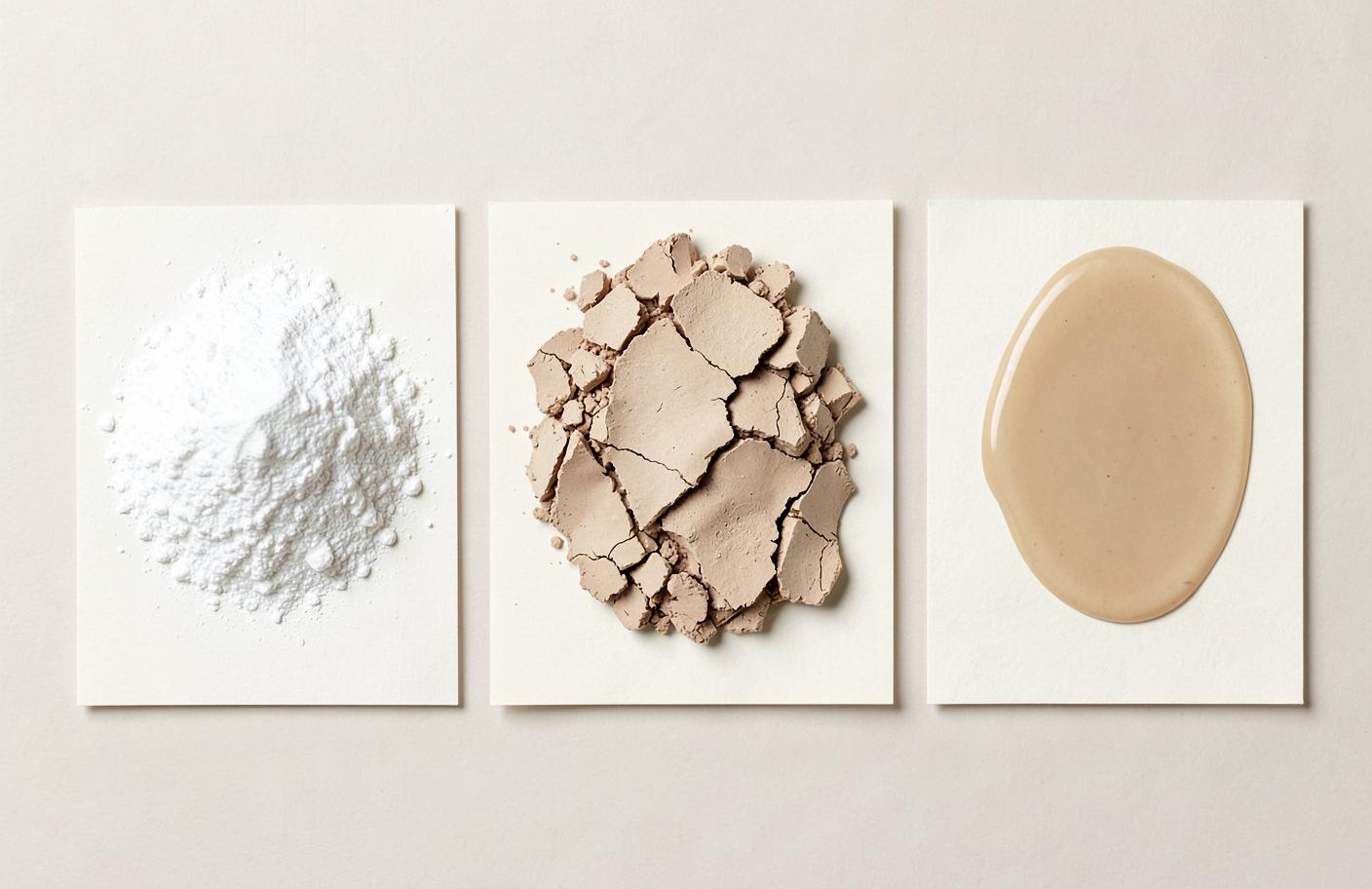
Dandruff vs. Dry Scalp vs. Buildup: How to Tell the Difference
The three most-confused scalp issues, how to tell them apart, and how to treat each one.
· 5 min read
Personalized Scalp Care: Finding the Right Routine for Your Hair Type
Why a one-size-fits-all scalp routine doesn't work, and how to build one for your specific hair and scalp type.
· 5 min read
Scalp Buildup 101: Why a Weekly Scrub Matters
Buildup is product, sebum and shed skin, not dandruff. Here is how to clear it once a week without stripping the scalp.
· 7 min read
Scalp-First Skincare: Applying Skincare Principles to Your Scalp
Why "skinifying" your scalp routine is 2026's biggest hair trend, and how to actually do it.
· 5 min read