Heatless Curls: The Method That Actually Protects Your Hair
Heatless curling only protects hair if the tension, dampness and duration are right. Here is the version that does not cause breakage at the hairline.
Noui Collective · · 6 min read
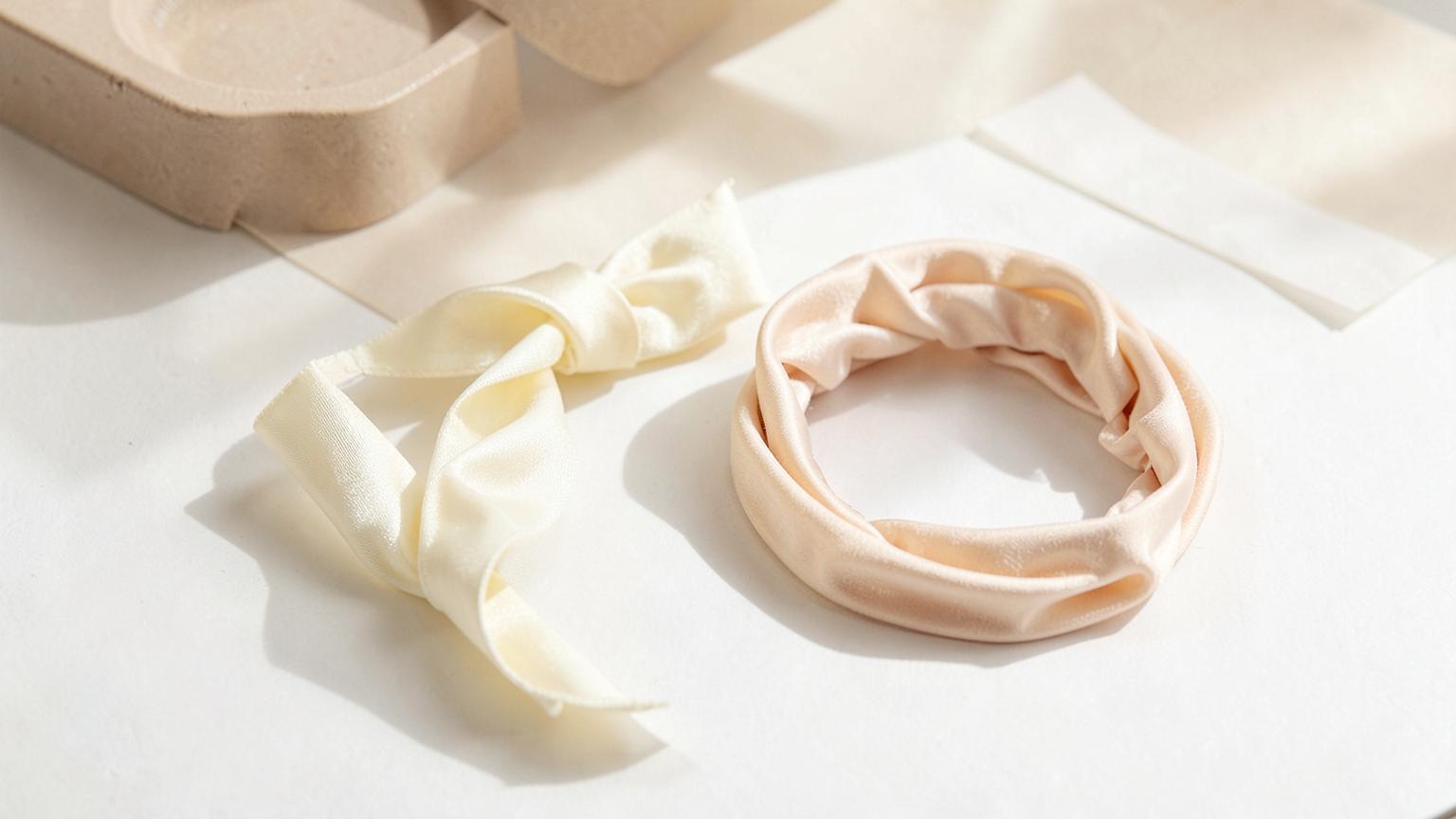
Skipping heat is genuinely good for hair. Heat styling above roughly 180°C damages the cuticle and, repeated often, is a leading cause of the mid-length breakage people blame on shampoo. Heatless methods remove that variable — but they introduce two of their own: tension and prolonged dampness.
The method
1. Start damp, not wet. Towel-dried to about 80% dry. Soaking hair is at its most fragile and will not dry through overnight. 2. Add slip. A leave-in or light cream reduces friction where hair wraps against itself. 3. Wrap loosely. A silk ribbon, a soft rod or a robe belt over the crown. If it pulls at the hairline when you turn your head, it is too tight. 4. Wrap away from the face in sections no wider than the rod, so each section dries evenly. 5. Leave for two to four hours, or overnight if fully dry-ish. Unwrap gently, separate with fingers, and set lightly if you want hold.
Products worth exploring
From the Noui catalogue, matched to what this guide covers. Prices come from our live retailer comparison.

Olaplex
No.9 Bond Protector Nourishing Hair Serum
Targets damage and breakage and split ends · formulated with bis amino

K18
Molecular Repair Hair Oil
Targets damage and breakage and split ends · formulated with amino acids
The two things that cause damage
Tension. Traction breakage at the temples and hairline is the most common heatless-curl injury. It builds quietly over months. Loose is the whole instruction.
Sleeping wet. Hair left damp under a wrap for eight hours stays swollen, and a damp scalp under fabric encourages buildup and flaking. If your hair is thick, curl in the evening and unwrap before bed, or accept a looser result.
Noui explainer
Silk is not a gimmick, but it is not magic either
Smoother fabrics reduce friction, which helps fine and fragile hair. Tension still matters more than material.
Adjusting for hair type
- Fine hair: thinner sections, less product, shorter time.
- Thick or coarse hair: drier starting point, larger rod, expect a wave rather than a ringlet.
- Curly hair: heatless sets are for elongation, not definition — use your usual styler underneath.
- Colour-treated: the friction reduction matters most here; make sure the leave-in goes on before wrapping.
Keeping the scalp comfortable underneath is part of the method — the scalp health guide covers washing frequency and buildup, which is where overnight styling tends to go wrong.
Cosmetic information only. Recurring breakage at the hairline, or a receding hairline, is worth professional assessment rather than a change of ribbon.
Noui's verdict
- Worth it, and genuinely kinder than tongs — provided it is loose and your hair is nearly dry. Tension, not heat, is the risk you are trading into.
From the Noui catalogue
Explore relevant products
Matched to what this guide covers. Prices come from our live retailer comparison, not from this article.
Olaplex
No.9 Bond Protector Nourishing Hair Serum
Targets damage and breakage and split ends · formulated with bis amino
K18
Molecular Repair Hair Oil
Targets damage and breakage and split ends · formulated with amino acids


Keep exploring
Treatments and rituals to read next
- Ayurvedic hair oiling
The traditional practice of massaging warmed oil into the scalp and hair, left to sit before washing. Coconut, sesame and amla oils are common.
- Bond-building salon treatment
An in-salon treatment using bond-repair chemistry, applied either alongside colour or as a standalone strengthening service.
- Keratin smoothing treatment
A chemical smoothing service that coats and reshapes the hair's surface behaviour, sealed in with heat, to reduce frizz and drying time.
More from this Noui Edit
Scalp Health
The foundation of great hair starts at the scalp.
The Ultimate Guide to Scalp Health: Why It's the Foundation of Great Hair
The scalp is skin — and healthy hair grows out of healthy skin. The complete Noui guide to the microbiome, the barrier, buildup and building a routine that suits your hair.
· 9 min read
Rosemary Oil vs Minoxidil: What the Evidence Actually Shows
One small trial made rosemary oil famous. Minoxidil has decades of data. Here is a fair comparison, including what each one asks of you.
· 8 min read
Drugstore Haircare: What to Check Before You Trade Down
Cheaper haircare is often equivalent. Here are the four things worth checking on the back of the bottle before you swap.
· 7 min read
Scalp Buildup 101: Why a Weekly Scrub Matters
Buildup is product, sebum and shed skin, not dandruff. Here is how to clear it once a week without stripping the scalp.
· 7 min read
You may also like
The Ultimate Guide to Scalp Health: Why It's the Foundation of Great Hair
The scalp is skin — and healthy hair grows out of healthy skin. The complete Noui guide to the microbiome, the barrier, buildup and building a routine that suits your hair.
· 9 min read

Best Scalp Oils and Serums for Dryness and Damage
A breakdown of the scalp oils and serums worth trying, by concern — dryness, flaking, and sensitivity.
· 5 min read

Scalp Care Routine by Season: Adjusting for Weather and Climate
How heat, humidity, cold, and dry air each affect your scalp — and how to adjust your routine accordingly.
· 5 min read
Peptide Haircare, Explained: What It Can (and Can't) Do
Peptides are the new headline on shampoo bottles. Here is the difference between the ones that repair hair fibre and the ones sold for growth.
· 7 min read
Scalp Buildup 101: Why a Weekly Scrub Matters
Buildup is product, sebum and shed skin, not dandruff. Here is how to clear it once a week without stripping the scalp.
· 7 min read
Drugstore Haircare: What to Check Before You Trade Down
Cheaper haircare is often equivalent. Here are the four things worth checking on the back of the bottle before you swap.
· 7 min read