At-home ritual
Ayurvedic hair oiling
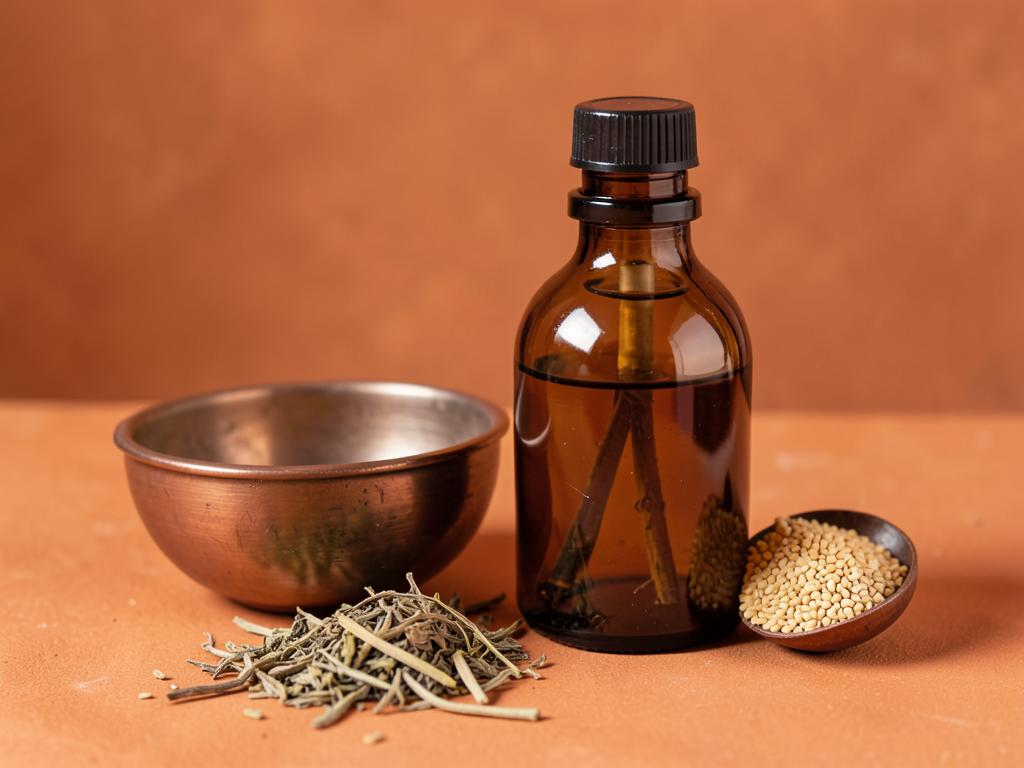
The traditional practice of massaging warmed oil into the scalp and hair, left to sit before washing. Coconut, sesame and amla oils are common.
A long-established Ayurvedic practice · India
Indicative cost
£8.00–£40.00 per bottle
Where it's done
At home · Salon
How long
10 minutes to apply, 30 minutes to overnight to sit
Intensity
Gentle
Downtime
None, but expect to wash your hair.
Typical course
Weekly is a common rhythm
Total course cost
Depends on the course agreed
When people notice a change
Softness and manageability are immediate; less breakage shows over weeks of consistent practice.
Keeping it up
Ongoing
What it's used for
Used with the aim of a more comfortable scalp, softer lengths and less breakage during washing and detangling.
How it works
Oil applied before washing reduces how much water the hair absorbs and swells, which is one of the moments hair is most vulnerable to breakage. Massage is relaxing and increases local blood flow.
What a session actually involves
Warm a little oil, part the hair in sections, apply to the scalp with the fingertips, massage for five to ten minutes, then draw the rest through the lengths. Leave for 30 minutes to overnight, then shampoo — usually twice.
What people usually consider it for
- Dryness
- Breakage and split ends
- Frizz
- Dry or itchy scalp
- Damage
This reflects what the treatment is commonly used for — not a claim that it will work for you.
Who tends to find it worthwhile
- — Anyone with dry, coarse or coloured hair
When it may not be suitable
- You have a fungal scalp condition or seborrhoeic dermatitis that flares with oils
- You have a nut or seed allergy relevant to the oil used
This list is not exhaustive. A qualified practitioner should assess you before any treatment.
Risks and side effects
- Scalp irritation
- Aggravating flaking in some people
Things to weigh up
- — A very heavy hand needs two shampoos to remove
- — Oiling is not a growth treatment
What the evidence looks like
Coconut oil has reasonable published support for reducing protein loss from hair. Broader claims that oiling grows hair are traditional rather than established.
Questions worth asking first
If your scalp is prone to flaking or fungal issues, heavy overnight oiling may not suit you.
If you'd rather not book
- — This is the at-home version
Products that sit alongside it
- hair oil
- clarifying shampoo
- conditioner
- hair mask
What tends to sit alongside it
- Hair oil
- Clarifying shampoo
- Hair mask
Others people compare it with
Treatments and devices are listed for information only. Nothing here is medical advice, a diagnosis, or a promise of a result. Suitability depends on your health, skin and the specific device or practitioner — always check with a qualified professional first. We don't take bookings or refer you to providers. Last reviewed 2026-09-09.