Doomscrolling: What Endless Bad News Does to Your Stress Levels
Last reviewed:
It usually starts innocently. You check the news, then one more story, then the comments. Twenty minutes later you feel tense, flat and somehow more worried than when you started.
NOUI Collective · · 3 min read
It usually starts innocently. You check the news, then one more story, then the comments. Twenty minutes later you feel tense, flat and somehow more worried than when you started.
That's doomscrolling. And you're far from alone.
Why we do it
Our brains are wired to pay attention to threats. In the past, noticing danger kept us alive. Now, that same instinct keeps us scrolling through bad news, looking for certainty or reassurance that rarely comes.
Endless feeds make it easy. There's no natural stopping point, so the only thing that ends a scroll is you.
What it does to your mood
Two to four minutes. That's less time than it takes to make a cup of tea.
What it does to your body
Repeatedly taking in stressful content keeps your stress response ticking over. If that becomes a habit — especially at night — it can feed into poorer sleep, more tension and the "wired but tired" feeling. Our nervous system regulation guide explains why recovery time matters so much.
How to break the habit
Choose when, not whether Staying informed matters. Try checking the news once or twice a day at set times, rather than dipping in all day.
Pick your sources A trusted news site or a daily summary gives you what you need without the endless feed and comment sections.
Set a physical stopping point Scroll only while your tea brews, or until you reach the end of one article. Give the habit an edge.
Keep it out of bed Late-night doomscrolling is the hardest to stop and the most costly for sleep. See screens and sleep.
Follow some kindness The same study found that uplifting content didn't dent mood. Curating your feed on purpose genuinely changes what you see.
Reset afterwards If you notice you've spiralled, try two minutes of cyclic sighing to help your body settle.
The NOUI take
You don't have to switch off from the world to protect your peace. Just stop letting a feed decide how much of it you take in.
Take the NOUI wellness quiz for a personalised reset plan.
If worry or low mood is affecting your daily life, speak to your GP.
References
- Buchanan, K. et al. (2021). Brief exposure to social media during the COVID-19 pandemic: doom-scrolling has negative emotional consequences, but kindness-scrolling does not. PLOS ONE.
Products worth exploring
From the NOUI catalogue, matched to what this guide covers. Prices come from our live retailer comparison.


From the NOUI catalogue
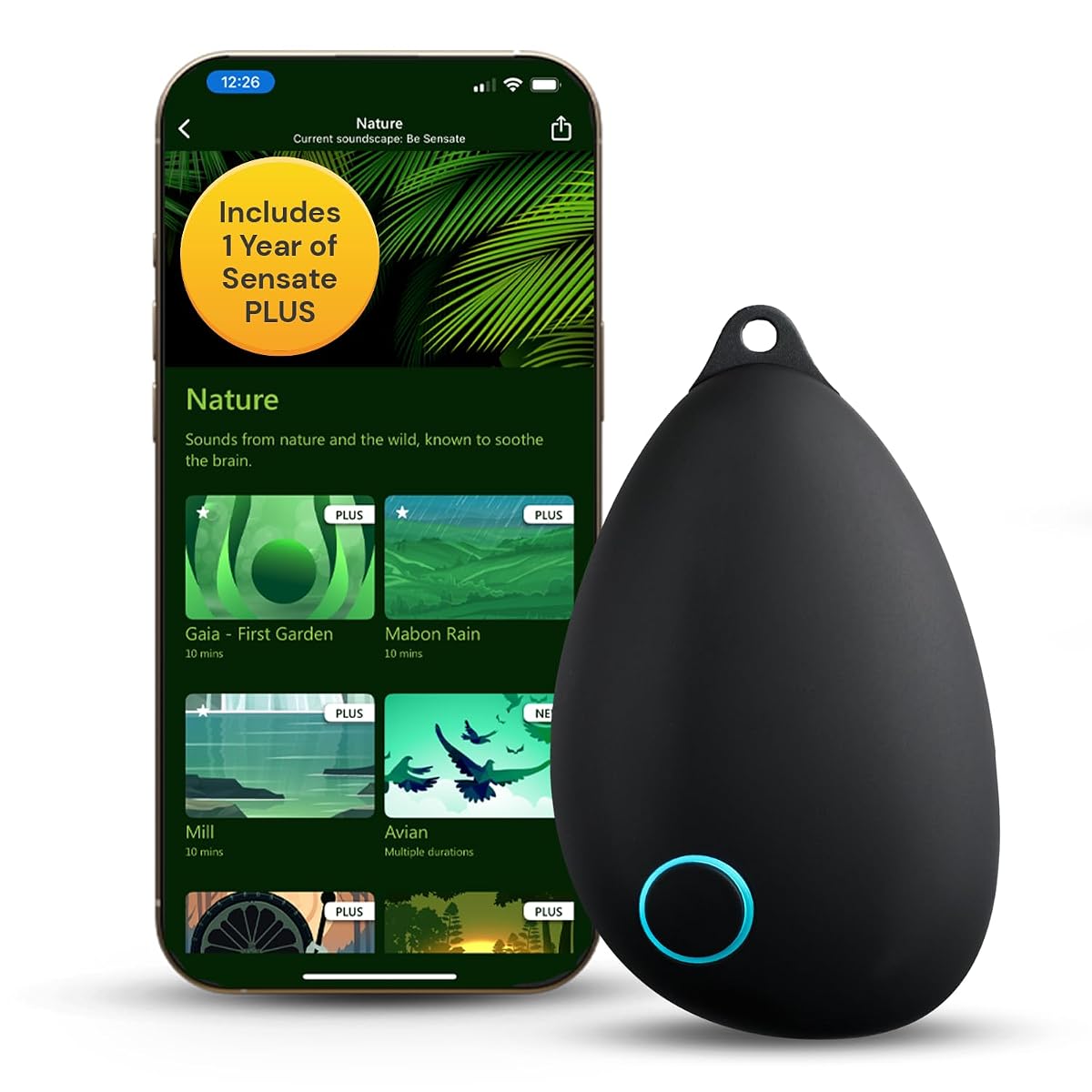
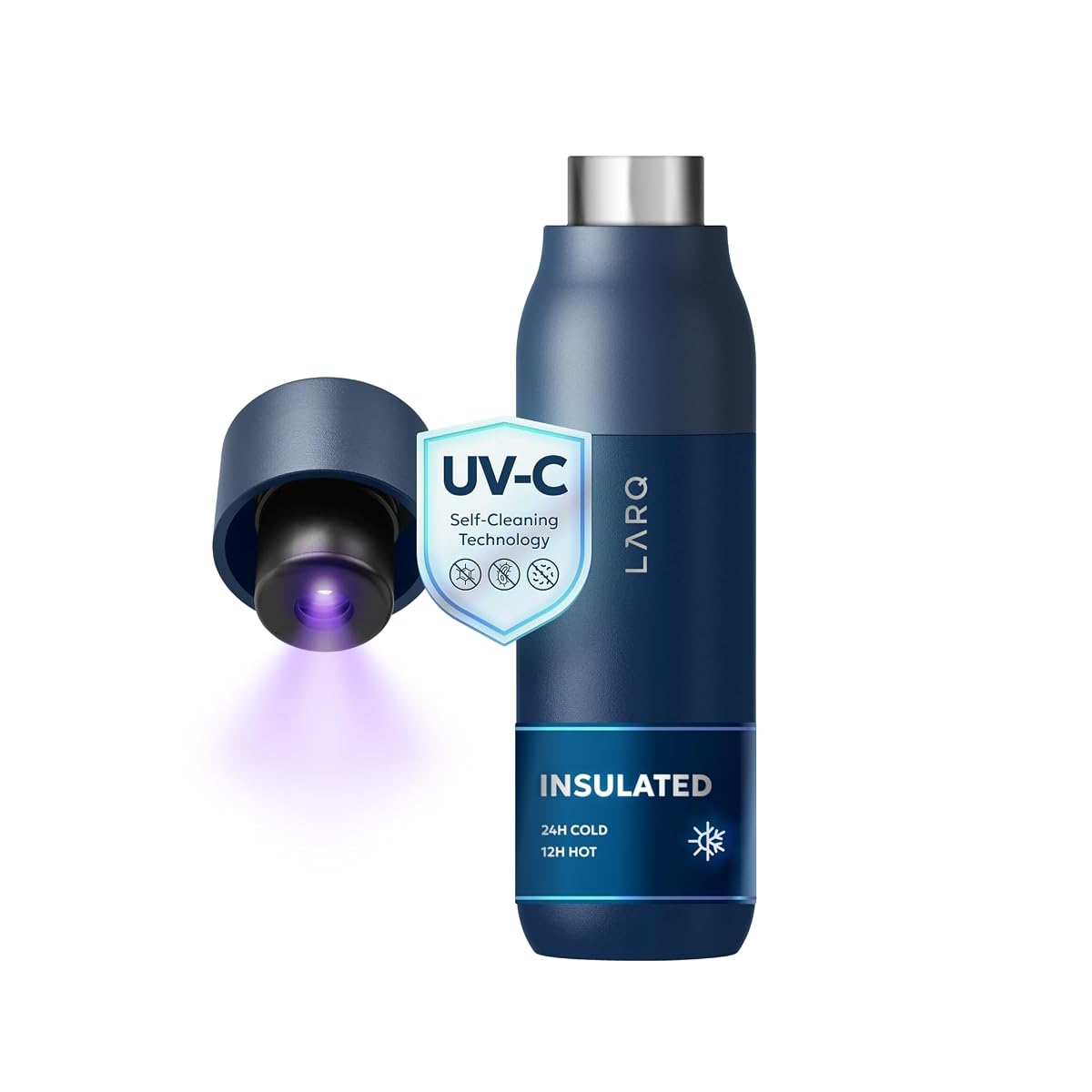
Explore relevant products
Matched to what this guide covers. Prices come from our live retailer comparison, not from this article.
Keep exploring
Treatments and rituals to read next
- Reflexology
A structured pressure massage of the feet, and sometimes hands and ears, based on the traditional idea that areas of the foot map to the body.
- Box breathing practice
A four-count breathing pattern you can do anywhere to slow a racing nervous system.
- Float therapy
Floating in a shallow pool or pod of heavily salted, skin-temperature water, usually in darkness and quiet.
You may also like
What Your Phone Is Really Doing to Your Brain and Body
Most of us pick up our phones without even deciding to. A buzz, a spare second, a moment of boredom — and we're in.
· 3 min read
The Phone-Free First Hour: A Calmer Way to Start Your Day
For most of us, the first thing we see in the morning isn't daylight. It's a screen full of emails, messages, news and other people's lives — before we've even sat up.
· 3 min read
What "Nervous System Regulation" Actually Means (and What It Doesn't)
Everyone's talking about "regulating your nervous system." Here's what it actually means, what the research supports, and simple ways to start.
· 3 min read
How to Choose a Wellness Escape That Actually Helps
Spa day, bathhouse, retreat or longevity clinic? How to choose a wellness escape that suits what you need, what the evidence says, and how to make the benefits last.
· 4 min read
Sensory Wellness: The Complete Guide to Calming Your Nervous System Through Scent, Sound, Touch and Sight
What sensory wellness actually is, the evidence behind it, and how to build a routine around scent, sound, touch and sight — without adding more to your day.
· 9 min read

Sensory Resets for High-Stress Days (When You Don't Have 20 Minutes)
Fast, sensory-based ways to interrupt a stress spiral when a full routine is not realistic.
· 6 min read