Wellness experience
Infrared sauna
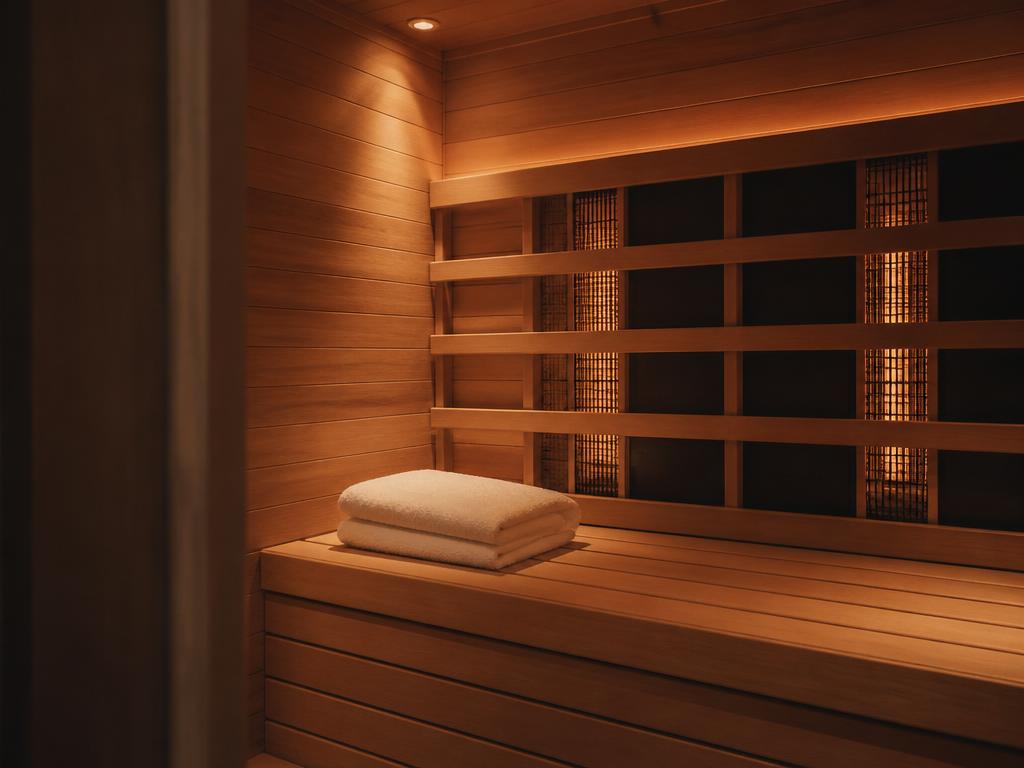
A cabin using infrared heaters that warm the body directly at a lower air temperature than a traditional sauna, typically 45–60°C.
Modern; adjacent to Finnish sauna culture · Finland (sauna tradition)
Indicative cost
£20.00–£45.00 per session
Where it's done
Wellness centre · Spa
How long
30–45 minutes
Intensity
Gentle
Downtime
None, though you may feel drained for an hour.
Typical course
Two to three times a week is a common rhythm
Total course cost
£60–£135 for a full course
When people notice a change
Relaxation is immediate. Any broader effects would come from consistency over months.
Keeping it up
Ongoing
What it's used for
Used with the aim of relaxation, a feeling of recovery after training, and warmth that is easier to tolerate than a hot sauna.
How it works
Infrared warms the body directly rather than heating the air, which raises skin and core temperature and causes sweating at a gentler ambient temperature. It is heat exposure, not detoxification.
What a session actually involves
You sit in a wooden cabin, usually alone, for 30–45 minutes with water and a towel. You sweat heavily. Most people shower afterwards and feel pleasantly tired.
What people usually consider it for
- Stress and calm
- Sleep quality
- Joints and recovery
- Everyday energy
This reflects what the treatment is commonly used for — not a claim that it will work for you.
Who tends to find it worthwhile
- — People who find traditional saunas too hot
- — Anyone using heat as a wind-down ritual
When it may not be suitable
- You are pregnant
- You have a heart condition, low or unstable blood pressure, or are unwell, unless cleared by your doctor
- You are dehydrated or have been drinking alcohol
This list is not exhaustive. A qualified practitioner should assess you before any treatment.
Risks and side effects
- Dizziness
- Dehydration
- Fainting
- Overheating
Things to weigh up
- — Detox claims are not accurate
- — Build up your time gradually
What the evidence looks like
Regular sauna bathing has a reasonable and growing body of research around cardiovascular measures and wellbeing, mostly in traditional Finnish saunas. Sweat does not remove toxins — that is the liver and kidneys.
Questions worth asking first
Do not combine heat with alcohol, and get out if you feel dizzy.
If you'd rather not book
- — A long hot bath with magnesium salts covers much of the relaxation benefit
Products that sit alongside it
- body cleanser
- body moisturiser
- hydration
What tends to sit alongside it
- Body moisturiser
- Bath salts
Others people compare it with
Treatments and devices are listed for information only. Nothing here is medical advice, a diagnosis, or a promise of a result. Suitability depends on your health, skin and the specific device or practitioner — always check with a qualified professional first. We don't take bookings or refer you to providers. Last reviewed 2026-09-09.