Wellness experience
Cold water immersion (cold plunge)
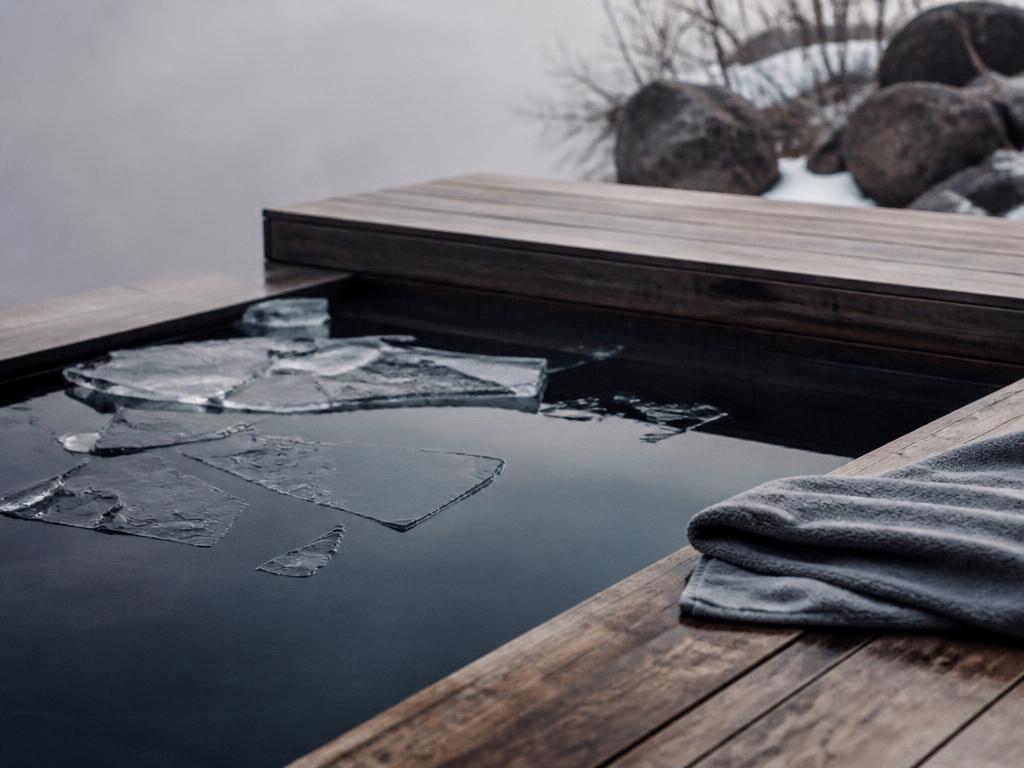
Deliberate immersion in cold water — a plunge pool, ice bath or cold outdoor water — usually for two to five minutes.
Practised in Nordic and many other cultures · Scandinavia
Indicative cost
£10.00–£35.00 per session
Where it's done
Wellness centre · Spa
How long
2–5 minutes
Intensity
Advanced
Downtime
None, but rewarming takes 15–30 minutes.
Typical course
Two to four times a week is typical
Total course cost
£40–£140 for a full course
When people notice a change
Mood and alertness effects are immediate. Anything else depends on regular practice.
Keeping it up
Ongoing
What it's used for
Used with the aim of a sharp lift in mood and alertness, and a sense of resilience and recovery.
How it works
Cold triggers a strong stress response: fast breathing, adrenaline and noradrenaline release, and vasoconstriction. Most people describe a marked mood and alertness effect afterwards.
What a session actually involves
You are talked through slow breathing, then enter the water gradually. The first 30 seconds are the hardest. You stay for a short set time, then get out, dry and rewarm gently in clothes rather than a hot shower.
What people usually consider it for
- Stress and calm
- Everyday energy
- Sleep quality
- Joints and recovery
This reflects what the treatment is commonly used for — not a claim that it will work for you.
Who tends to find it worthwhile
- — People who already tolerate cold showers and want to build on it
When it may not be suitable
- You have a heart condition, arrhythmia or high blood pressure, unless cleared by your doctor
- You are pregnant
- You have Raynaud's, cold urticaria or a seizure disorder
- You are alone in open water
This list is not exhaustive. A qualified practitioner should assess you before any treatment.
Risks and side effects
- Cold shock
- Arrhythmia
- Fainting
- Hypothermia
- Nerve pain
Things to weigh up
- — Cold water shock is a real risk, particularly in open water
- — Never hyperventilate before entering water
What the evidence looks like
There is reasonable evidence for effects on mood and alertness, and mixed evidence around recovery — cold immediately after strength training may blunt some adaptation. Cold water carries genuine risk for some people.
Questions worth asking first
Never do this alone in open water, and never after drinking. If you have any heart condition, ask your doctor first.
If you'd rather not book
- — Finishing your shower with 30–60 seconds of cold
Products that sit alongside it
- body cleanser
- body moisturiser
What tends to sit alongside it
- Body moisturiser
- Warm layers
Others people compare it with
Treatments and devices are listed for information only. Nothing here is medical advice, a diagnosis, or a promise of a result. Suitability depends on your health, skin and the specific device or practitioner — always check with a qualified professional first. We don't take bookings or refer you to providers. Last reviewed 2026-09-09.