Manual technique
Thai massage
A clothed, mat-based massage combining firm compression along the body with assisted stretching.
Traditional Thai medicine, taught within temple lineages · Thailand
Indicative cost
£45.00–£100.00 per session
Where it's done
Salon · Spa · Wellness centre
How long
60–120 minutes
Intensity
Moderate
Downtime
Minimal. Some people feel worked-over the next day.
Typical course
As needed, or monthly
Total course cost
Depends on the course agreed
When people notice a change
Immediate looseness, typically lasting a few days.
Keeping it up
Monthly
What it's used for
Used with the aim of feeling looser and more mobile, and easing general muscular tightness.
How it works
Compression along the limbs and torso plus passive stretching affects how tight muscles feel and how freely a joint moves. The effect on flexibility is short-term unless you keep stretching.
What a session actually involves
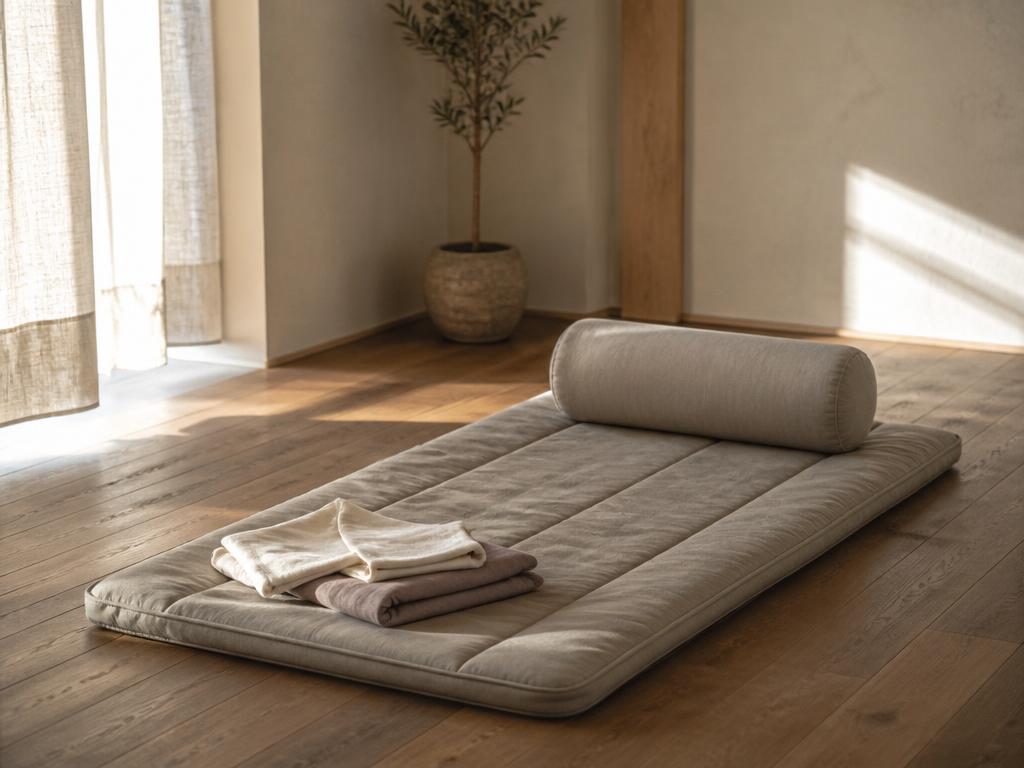
You wear loose clothes and lie on a floor mat. The therapist uses palms, thumbs, forearms, feet and body weight, moving you into stretches. It is active and can be intense but should not hurt.
What people usually consider it for
- Stress and calm
- Joints and recovery
- Sleep quality
This reflects what the treatment is commonly used for — not a claim that it will work for you.
Who tends to find it worthwhile
- — People who sit all day and feel stiff
When it may not be suitable
- You are pregnant, unless the therapist is trained in pregnancy work
- You have a disc problem, osteoporosis, recent surgery or joint replacement
- You are hypermobile and stretching aggravates you
This list is not exhaustive. A qualified practitioner should assess you before any treatment.
Risks and side effects
- Muscle soreness
- Joint strain
- Aggravating an existing injury
Things to weigh up
- — Assisted stretching is not for every body
- — Speak up early if a stretch feels wrong
What the evidence looks like
Massage has reasonable evidence for short-term muscular relief and relaxation. Traditional Thai medicine claims beyond that are not established.
Questions worth asking first
Tell the therapist about any joint, disc or hypermobility issue before the stretching starts.
If you'd rather not book
- — Ten minutes of daily mobility work
Products that sit alongside it
- body oil
- bath salts
What tends to sit alongside it
- Bath salts
- Body oil
Others people compare it with
Treatments and devices are listed for information only. Nothing here is medical advice, a diagnosis, or a promise of a result. Suitability depends on your health, skin and the specific device or practitioner — always check with a qualified professional first. We don't take bookings or refer you to providers. Last reviewed 2026-09-09.