At-home ritual
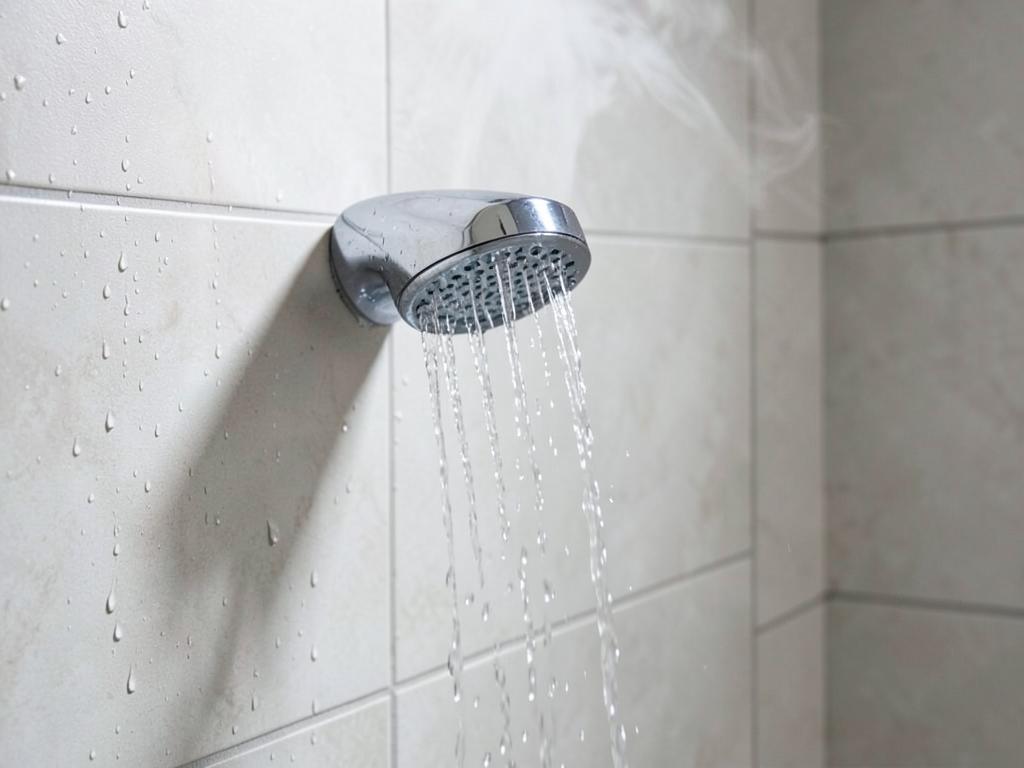
Contrast shower
Alternating warm and cool water at the end of a normal shower.
Nordic bathing culture popularised hot–cold cycling. · Scandinavia
Indicative cost
Price varies
Where it's done
At home
How long
3–5 minutes
Intensity
Gentle
Downtime
None
Typical course
Daily if you like it
When people notice a change
Alertness is immediate
Keeping it up
Ongoing
What it's used for
Used for alertness and as an accessible stand-in for sauna-and-plunge contrast.
How it works
Alternating temperatures cause vessels to narrow and widen, which most people find sharply invigorating.
What a session actually involves
Finish your shower with 30 seconds cool, one minute warm, repeated two or three times, ending cool.
What people usually consider it for
- Everyday energy
- Stress and calm
- Joints and recovery
This reflects what the treatment is commonly used for — not a claim that it will work for you.
Who tends to find it worthwhile
- — Anyone curious about contrast therapy without a facility
When it may not be suitable
- Heart or circulatory conditions, Raynaud's, or pregnancy — check with a doctor
- You feel faint with temperature change
This list is not exhaustive. A qualified practitioner should assess you before any treatment.
Risks and side effects
- Dizziness with abrupt temperature swings
Things to weigh up
- — Keep it comfortable — cool, not painfully cold.
What the evidence looks like
Research on contrast water therapy is mostly in athletic recovery and is mixed. The alertness effect is reliable; broader claims are not.
Products that sit alongside it
- A brisk walk afterwards
Others people compare it with
Treatments and devices are listed for information only. Nothing here is medical advice, a diagnosis, or a promise of a result. Suitability depends on your health, skin and the specific device or practitioner — always check with a qualified professional first. We don't take bookings or refer you to providers.